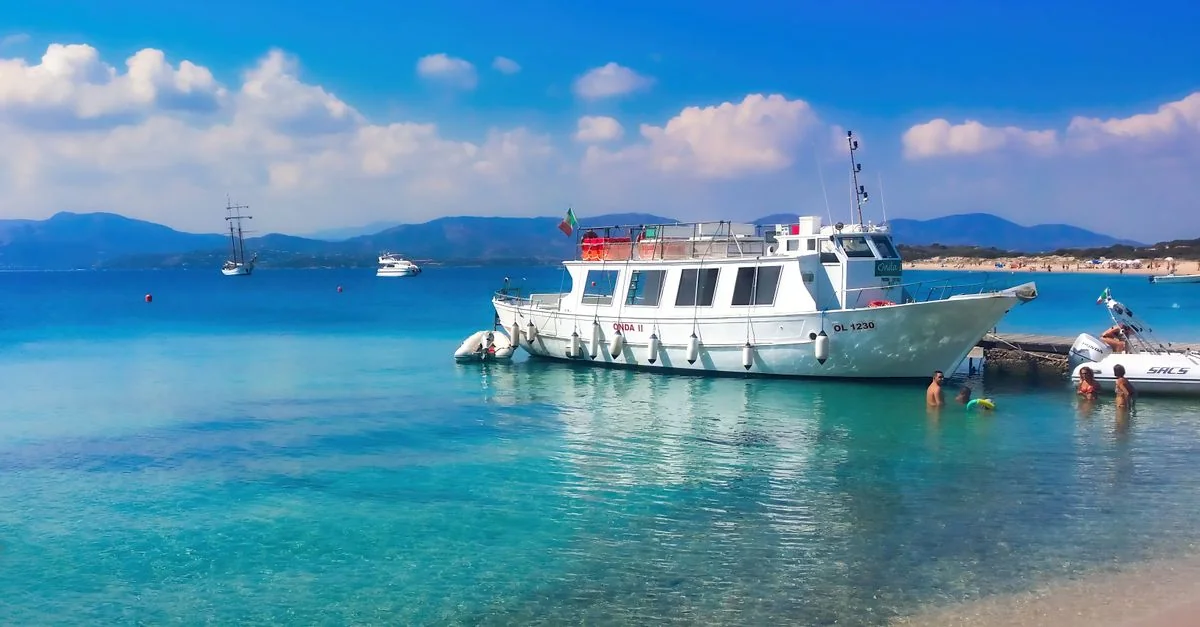
Standing on the outer deck of the ship, I watched the jagged peaks of northern Sardinia fade into the deep blue of the Tyrrhenian Sea. The salt spray caught the morning light as the massive hull pushed away from the dock at Olbia, setting a steady course toward the Italian mainland. For anyone who prefers travel to be an actual part of the journey rather than just a logistical hurdle, trading airports for the open water is the only way to go. Taking the Ferry From Olbia to Pisa # When planning this specific maritime crossing, you are looking at a 7h 0m journey across the sea. The ferry option costs $15, making it an exceptionally economical way to bridge the distance between Sardinia and the Tuscan region.
Standing on the deck in Olbia as the engines hum to life, you watch the Sardinian coastline slowly recede against the morning light. There is a distinct rhythm to leaving a port by sea that flying simply cannot replicate. The salty breeze hits your face, the open water stretches toward the horizon, and the slow unwind of a maritime journey begins. For travelers who prefer the water over the clouds, the route connecting Sardinia to the French Riviera offers an appealing escape. Let us break down everything you need to know about making this crossing.
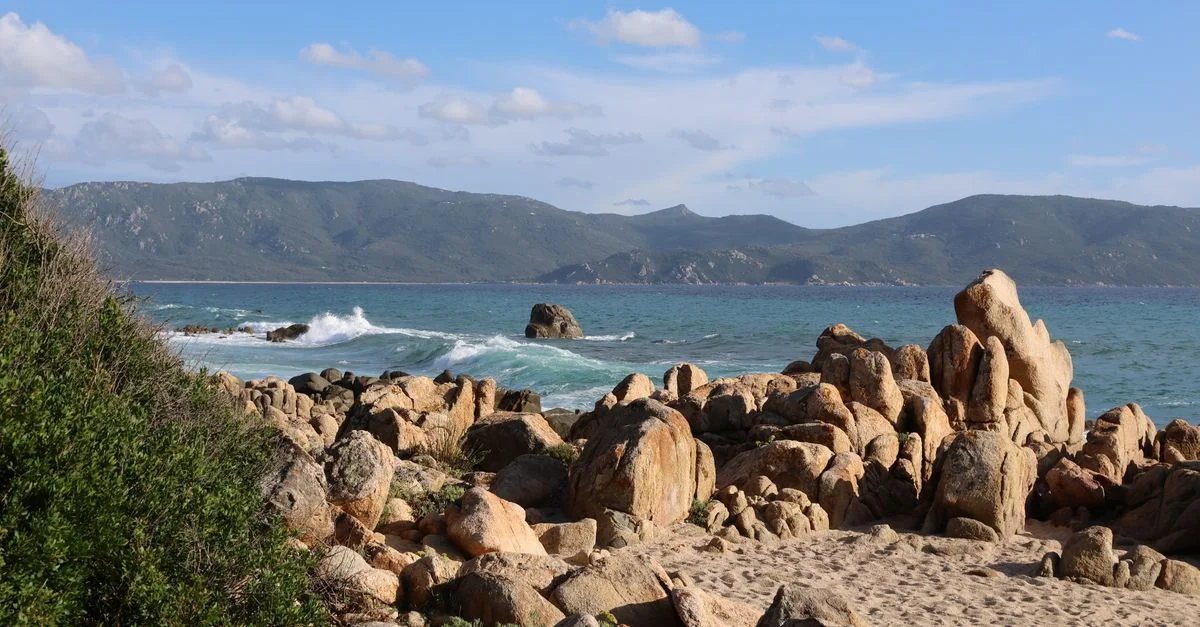
The departure from Olbia is a masterclass in coastal aesthetics. As the vessel pulls away from the Sardinian quay, the jagged, sun-bleached hills of the Gallura region slowly recede, replaced by the deep, uniform indigo of the Tyrrhenian Sea. Watching the port infrastructure shrink into the distance provides a necessary transition from the island pace of life back toward the mainland. The air changes here; it loses the scent of wild rosemary and salt-crusted granite, shifting instead to the metallic tang of the open water. Taking the Ferry From Olbia to Livorno # Choosing the ferry for the transit between Olbia and Livorno is a decision to prioritize the journey itself over mere speed. The crossing takes 5h 45m. Unlike the sterile environment of an airport terminal, the ferry allows you to remain in motion while retaining the ability to move about, eat, and breathe fresh air.
Standing on the outer deck at the port of Olbia, the scent of salt air mixes with the faint aroma of diesel as the ship prepares to depart. Watching the Sardinian coastline recede, the jagged peaks of the Gallura region slowly fade into a soft haze, while the promise of the rugged Corsican cliffs ahead keeps my gaze fixed on the horizon. This short transit across the Strait of Bonifacio is one of my favorite stretches of water in the Mediterranean. It is functional, efficient, and offers a perspective on the islands that you simply cannot get from a car window or an airplane seat. Taking the Ferry From Olbia to Corsica # The crossing from Olbia to Corsica is a straightforward affair. The journey takes exactly 1h 0m. When you look at the geography of the two islands, it becomes clear why the ferry is the preferred method for most travelers. You are essentially crossing a narrow maritime boundary that separates two distinct cultures, yet they feel geographically linked by the sea.
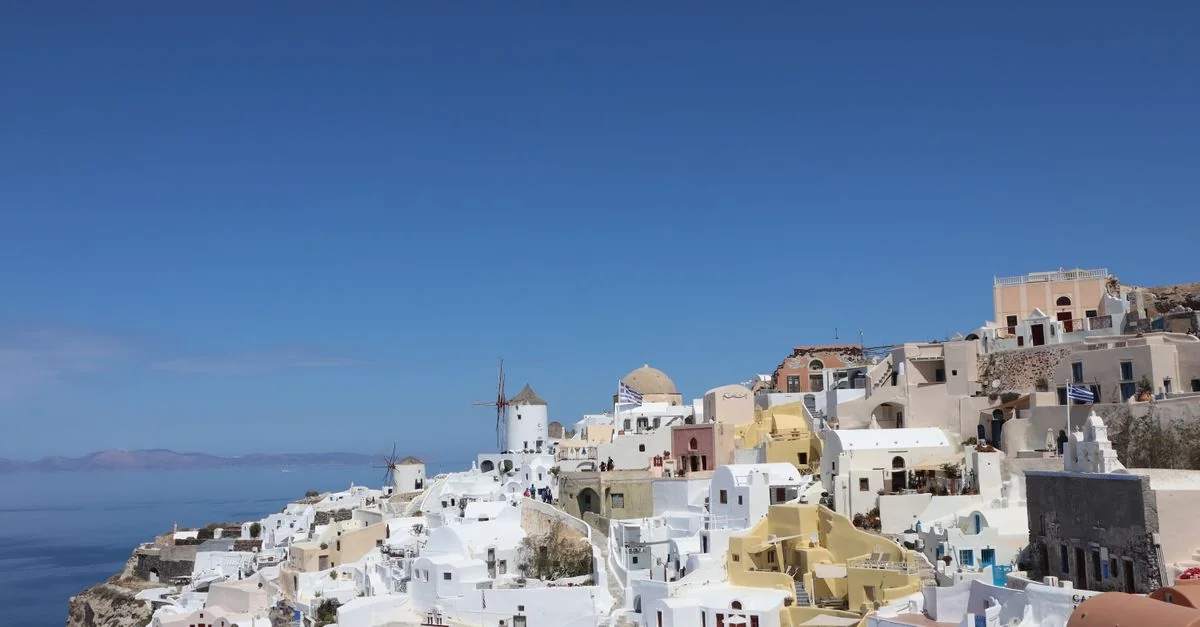
Standing at the edge of the caldera in Oia, looking down toward the port of Santorini, the sea stretches out toward Mykonos in a deep expanse of blue. Ferries churn white foam against the dark volcanic water as they maneuver into position, signaling the start of another Aegean crossing. For anyone traveling between these two Cycladic islands, watching the cliffside whitewashed houses recede from the ferry’s stern is one of the classic maritime experiences in Greece. Taking the Ferry From Oia to Mykonos # When planning your journey across the Cyclades, the ferry remains the primary maritime connection linking Santorini and Mykonos. The Oia to Mykonos route takes 2h 30m. This duration makes it a manageable midday or morning transit, allowing you to catch breakfast on one island and dinner on the next.
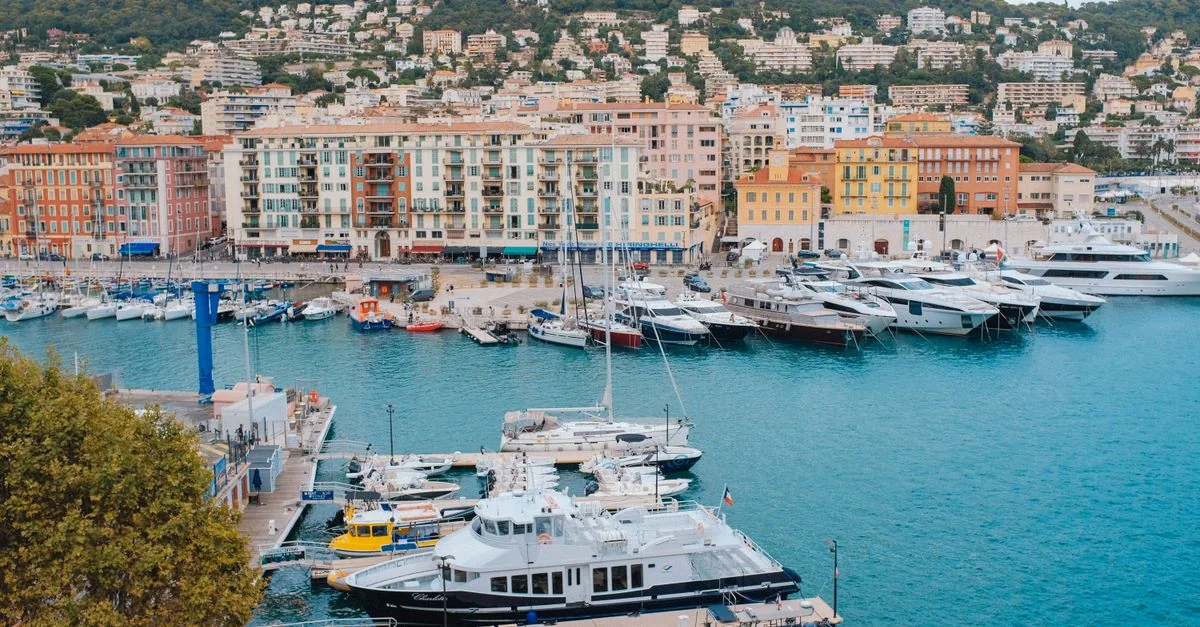
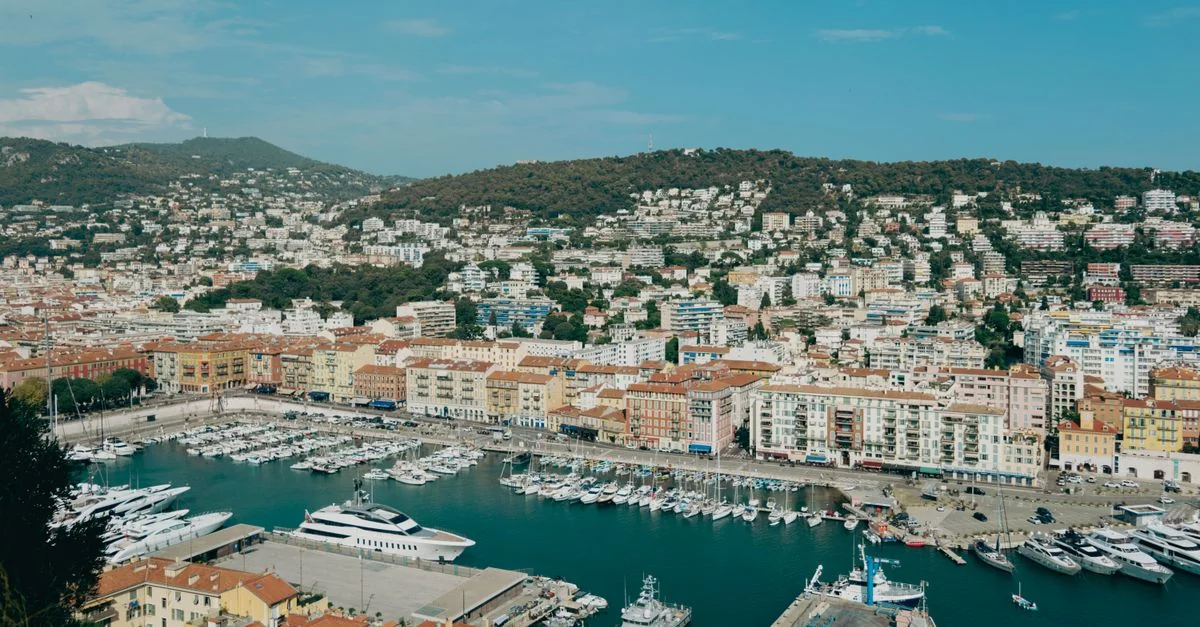
The morning light catches the pastel facades of the old port in Nice, casting long shadows across the moored yachts as the terminal gate opens for boarding. Standing on the outer deck, watching the French Riviera slowly slip away into the Mediterranean blue, provides a sense of departure that airports simply cannot replicate. Traveling across the sea connects mainland Europe to the rugged shores of Sardinia in a way that turns the journey into an actual part of the holiday rather than a logistical hurdle.
The salt air hits you before you even reach the gangway in Nice. Standing at the terminal, you watch the massive hull of the ship loom against the Mediterranean horizon, a stark contrast to the small pleasure craft bobbing in the harbor. As the lines are cast off and the coastline begins to recede, the deep blue of the open sea takes over. This is the start of a thirteen-hour transit, a slow transition from the French Riviera to the Balearic Islands. Taking the Ferry From Nice to Mallorca
The view from the Port of Nice is one of the most satisfying sights in the South of France. As you stand on the quay, the terracotta rooftops of the Old Town give way to the deep, indigo expanse of the Mediterranean. Watching the ferry maneuver into position against the backdrop of the Maritime Alps is a reminder that the journey is often just as significant as the destination. The ship looms large, a white monolith against the blue, promising a slow, deliberate transition from the French mainland to the rugged landscapes of Corsica. Taking the Ferry From Nice to Corsica
As the ship pulls away from the terminal, the grand neoclassical facades and sun-drenched rooftops of Nice shrink into the distance, replaced by the deep blue expanse of the Mediterranean Sea. Standing on the exterior decks, you watch the French Riviera fade behind you while the open horizon calls you toward the rugged shores of Corsica. For travelers who prefer the journey to be as memorable as the destination, this maritime route remains one of my absolute favorite crossings in Southern Europe. Taking the Ferry From Nice to Bastia
Standing at the maritime terminal with the distant hum of Napoli Centrale station behind me, the salty tang of the Tyrrhenian Sea hits the air before the water even comes into view. Ferries bob against the concrete quays, their hulls painted in crisp whites and deep blues, ready to slice across the Gulf of Naples toward those iconic jagged cliffs. For anyone arriving by train into the heart of Naples, transferring down to the port is a ritual I look forward to every single time I plan an island escape. Taking the Ferry From Napoli Centrale to Capri