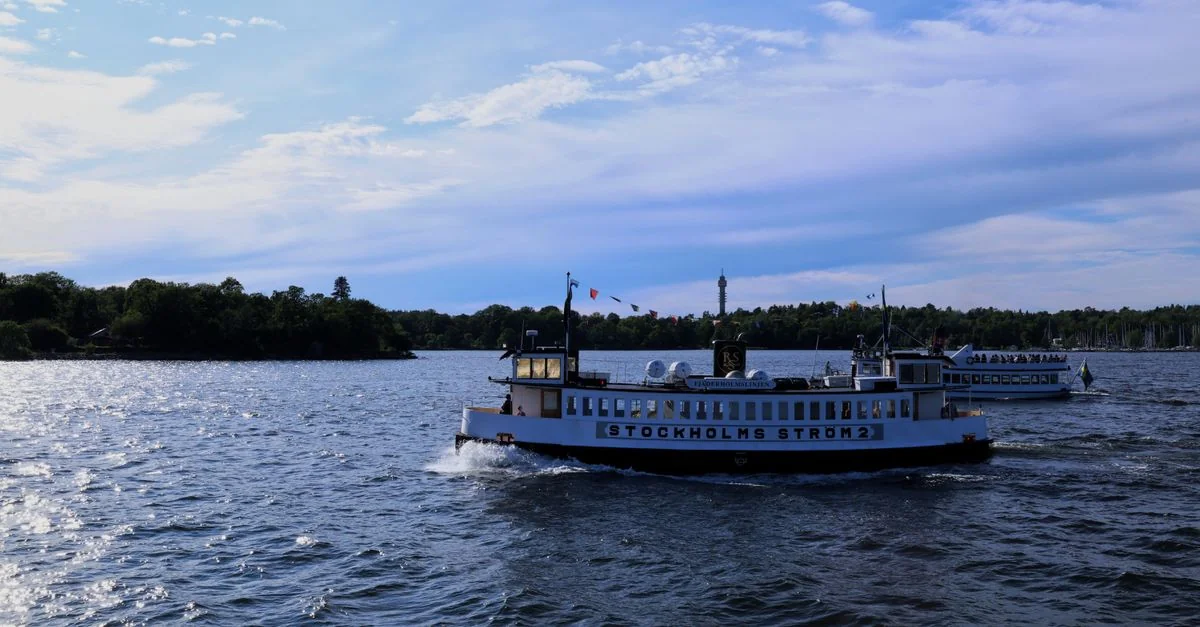
The departure from Mariehamn is a study in calm. As the vessel pulls away from the Åland Islands, the shoreline retreats into a series of low-slung, pine-covered skerries. Watching the ferry navigate these narrow passages is a highlight of the journey; the water is often still, reflecting the grey-blue skies of the Baltic Sea, and the vessel seems to glide inches away from the rocky outcrops. It is a stark contrast to the open-sea crossings found elsewhere in Europe . Taking the Ferry From Mariehamn to Stockholm
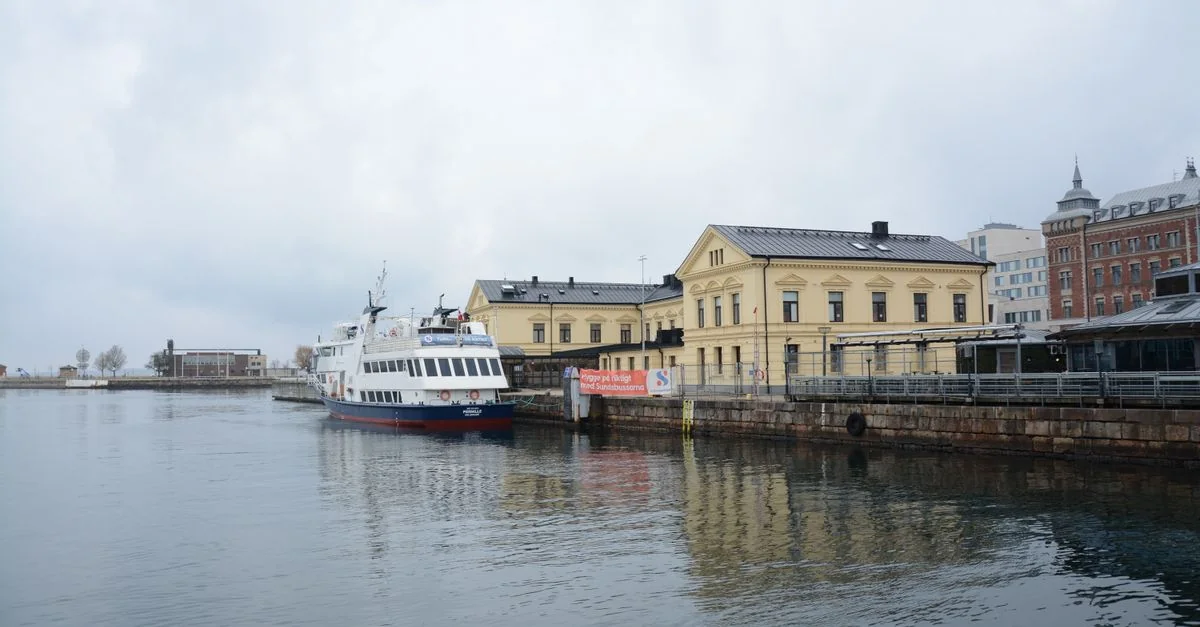
Standing on the outer deck as the ship pulls away from Mariehamn, the rocky shores of the Åland Islands recede into a quiet landscape of pine trees and granite. This is the start of a journey across the Baltic Sea toward the Finnish capital. If you love slow travel on the water, this crossing is a particular favorite of mine. Instead of rushing through airports, you get hours of uninterrupted sea views, salt air, and time to unwind before hitting the mainland. Taking the Ferry From Mariehamn to Helsinki
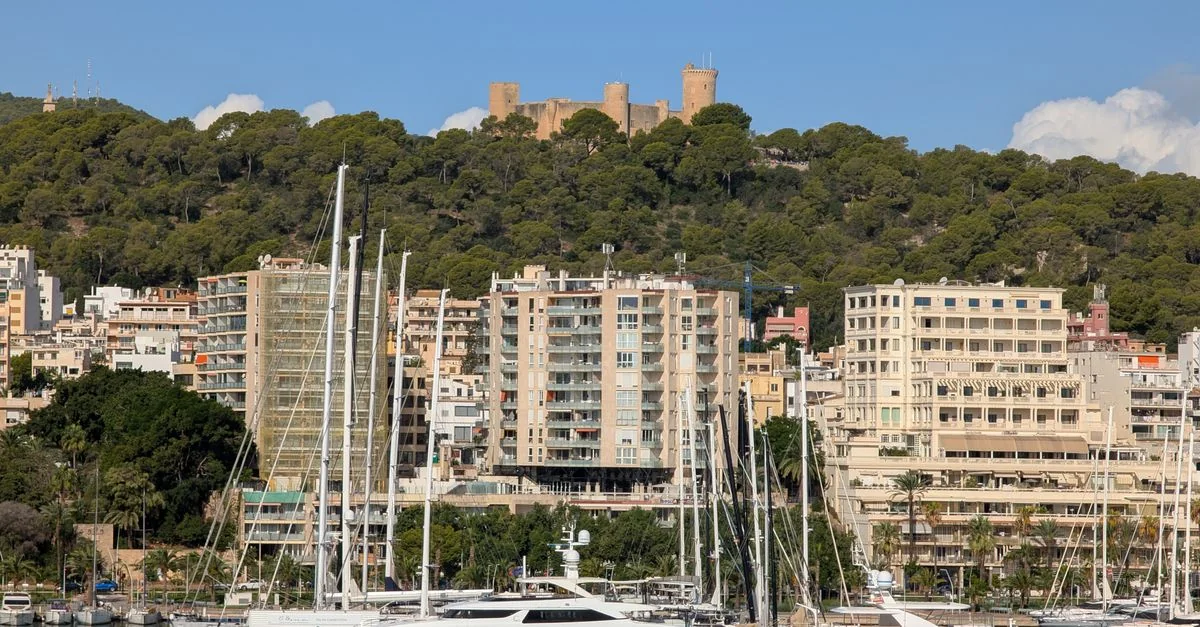
Standing on the outer deck of the vessel as it leaves the port behind, the chaotic energy of the waterfront quickly fades into the steady rhythm of the open sea. Salt spray catches the wind, and the jagged coastline of Mallorca slowly recedes as the ship points its bow eastward. For anyone who prefers slow travel over the sterile environment of an airport terminal, crossing the water between these two Balearic islands is the only way to make the journey. You feel the wind, you watch the horizon, and the sea becomes part of the travel experience rather than just an obstacle to cross. Taking the Ferry From Mallorca to Menorca
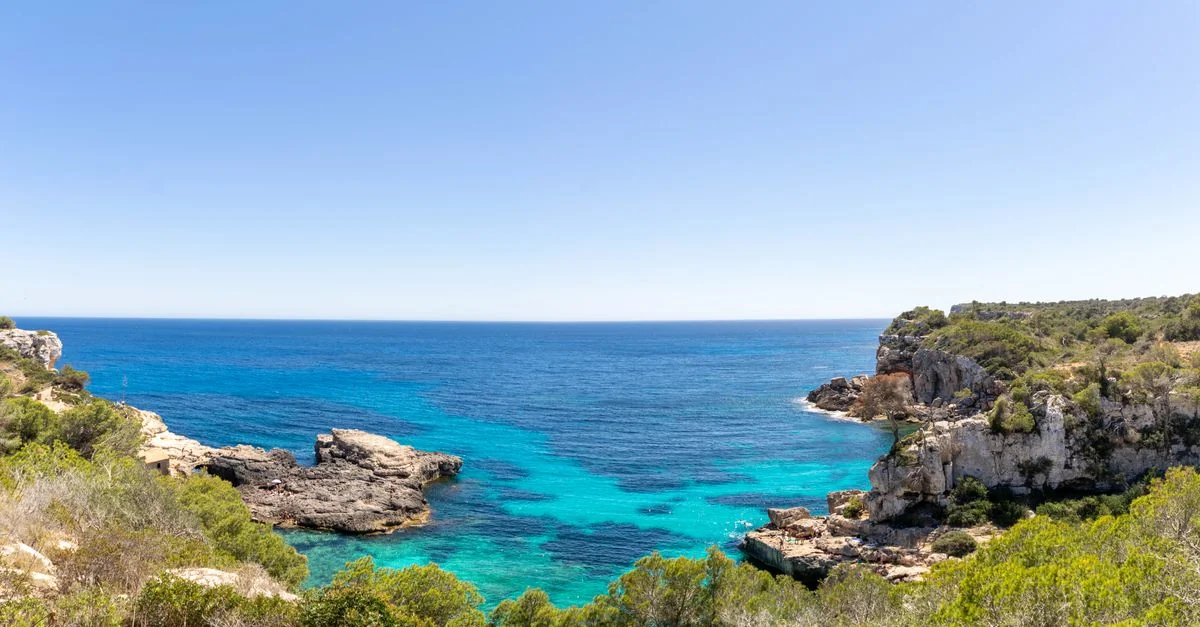
Standing on the outer deck of the vessel as it pulls away from the dock, the jagged limestone cliffs of Mallorca slowly recede into the morning haze. Salt spray hits the air, and the deep blue expanse of the Mediterranean stretches out toward the horizon. For me, traveling between the Balearic Islands by sea is the only way to truly appreciate their geography. Taking the Ferry From Mallorca to Ibiza
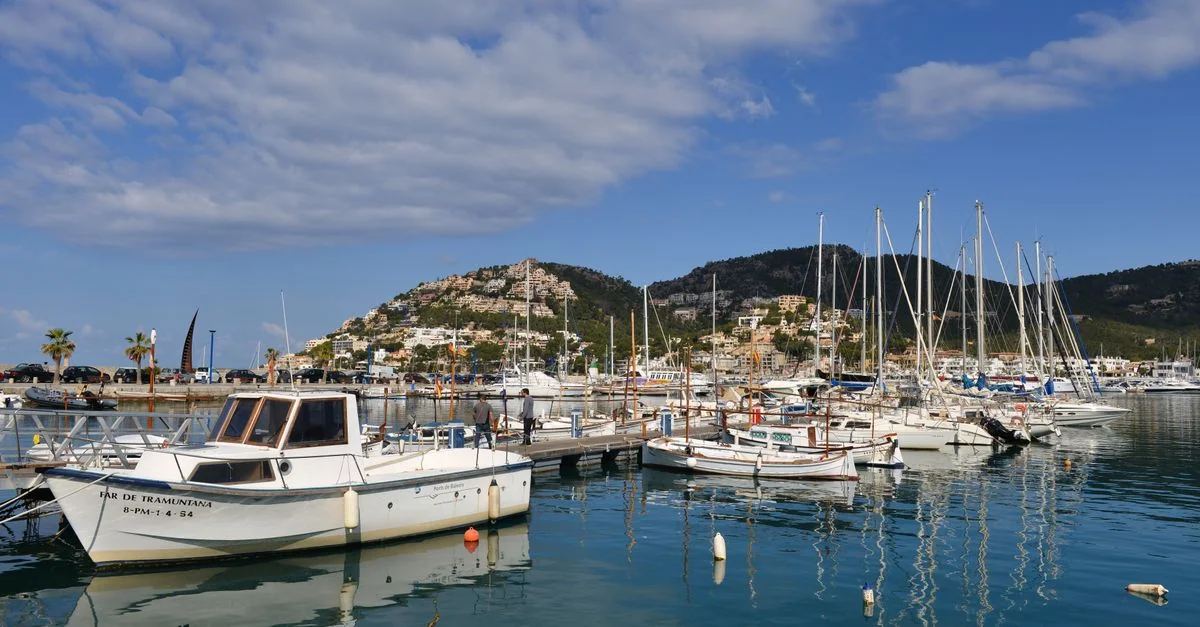
Standing on the deck as we pulled away from the port, the silhouette of Mallorca ’s coastline slowly dissolved into the afternoon haze, leaving behind the serrated ridge of the Serra de Tramuntana and the calm waters of the Balearic Sea. For travelers who prefer a slower pace, trading airplane cabins for open sea lanes is always the superior choice. This route connects two major Mediterranean hubs, and doing it by boat transforms a simple transit into part of the journey itself. Taking the Ferry From Mallorca to Barcelona
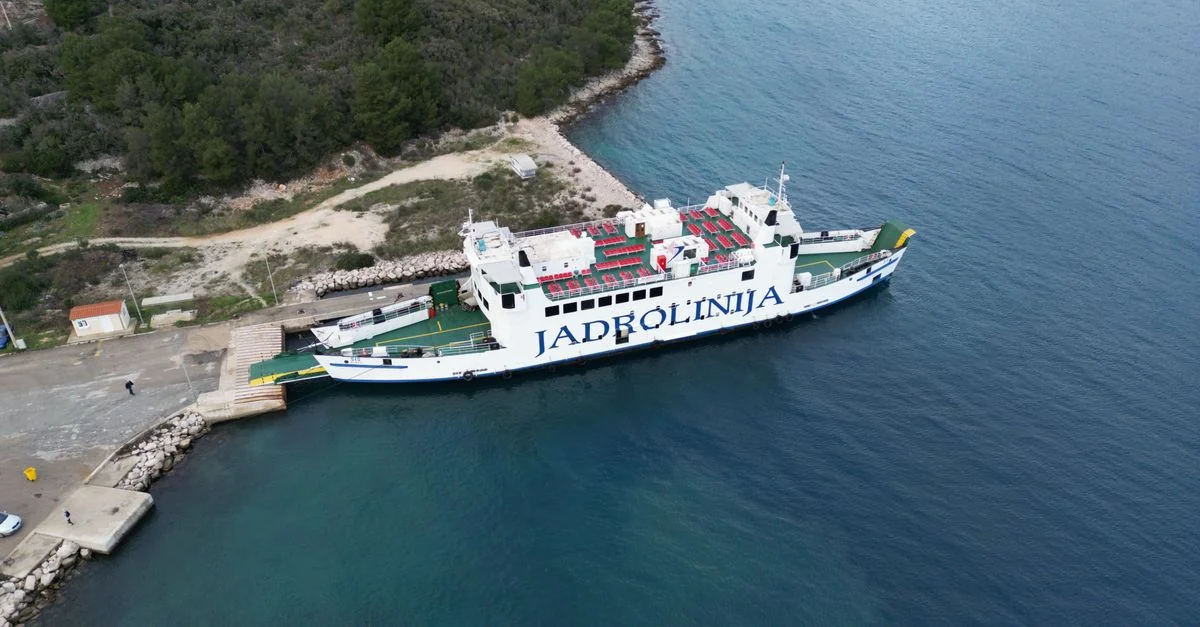
The morning light hits the harbor of Mali Lošinj with a particular sharpness, illuminating the masts of sailboats bobbing against the quay. As the ferry pulls into position, the scent of salt air mixes with the faint hum of diesel engines. Watching the island retreat as the vessel gains speed, the Adriatic stretches out in a wide, deep blue expanse, offering a perspective of the Kvarner islands that you simply cannot get from a car window. Taking the Ferry From Mali Lošinj to Zadar
Salt spray on the wind and the low rumble of the engine shifting into gear—there is nothing quite standing on the outer deck as the lines are cast off. Whenever I travel the northern Adriatic, I skip the highways and head straight for the water. Connecting the pine-scented shores of Lošinj to the ancient Roman amphitheater city of Pula is one of my favorite maritime runs in Croatia . If you appreciate a slower pace where the journey is just as important as the destination, this is a passage you need to make. Taking the Ferry From Mali Lošinj to Pula
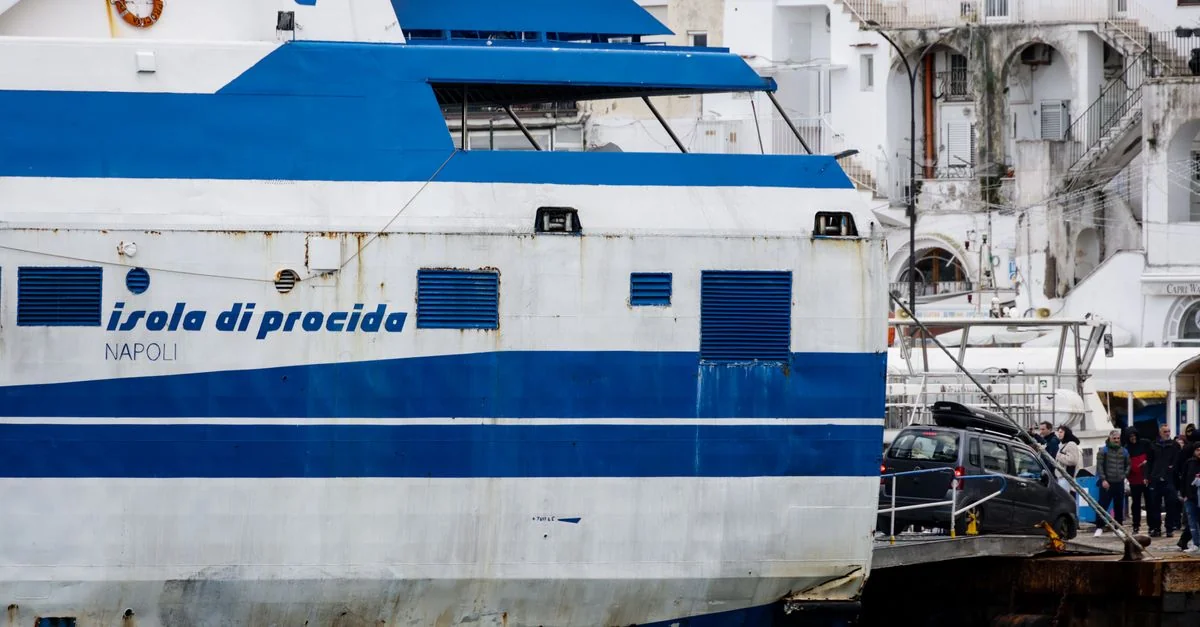
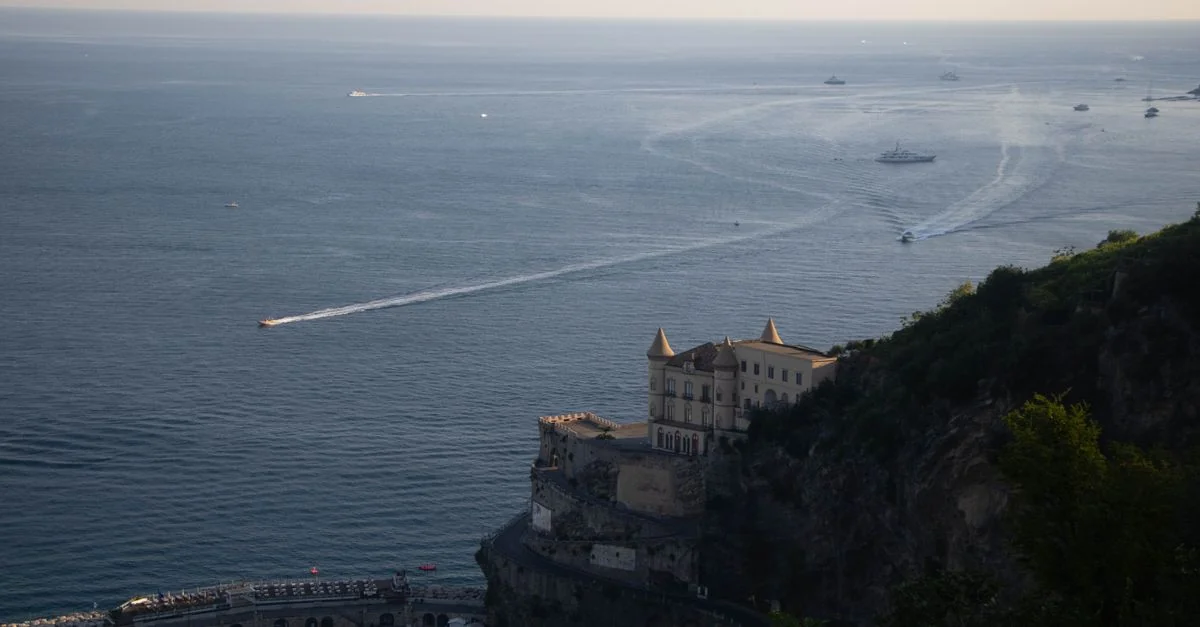
Standing on the seafront in Maiori, the limestone cliffs of the Amalfi Coast drop dramatically into the deep blue Tyrrhenian Sea, while pastel-colored buildings cascade down the slopes behind the port. Watching the ferry maneuver toward the concrete pier is the best part of the morning. There is a distinct rhythm to coastal arrivals here—crew members shouting instructions in Italian, thick mooring lines flying through the air, and the low rumble of diesel engines echoing off the cliffs. For anyone planning a trip from the Amalfi Coast to the islands, taking to the water remains the most practical and scenic way to travel. Taking the Ferry From Maiori to Capri
Standing on the sun-bleached pier at Maiori, I watched the pastel-colored buildings climb steeply into the rugged cliffs above the Tyrrhenian Sea. The salt spray drifted over the stone quay, and the distant rumble of a marine diesel engine signaled the arrival of the next vessel. For anyone traveling along this dramatic southern Italian coastline, skipping the winding coastal road in favor of the water is always the right call. Taking the Ferry From Maiori to Amalfi
Standing on the outer deck of the vessel as we pull away from Mali Lošinj, the scent of pine and salt hangs heavily in the morning air. Pastel-colored captain’s houses line the semicircular harbor, slowly shrinking into the distance as the ship carves its path southward through the Kvarner Gulf. This is my absolute favorite way to travel in Croatia —leaving the road behind and letting the sea do the work while the islands slide by like chapters in a well-worn book. Taking the Ferry From Lošinj to Zadar