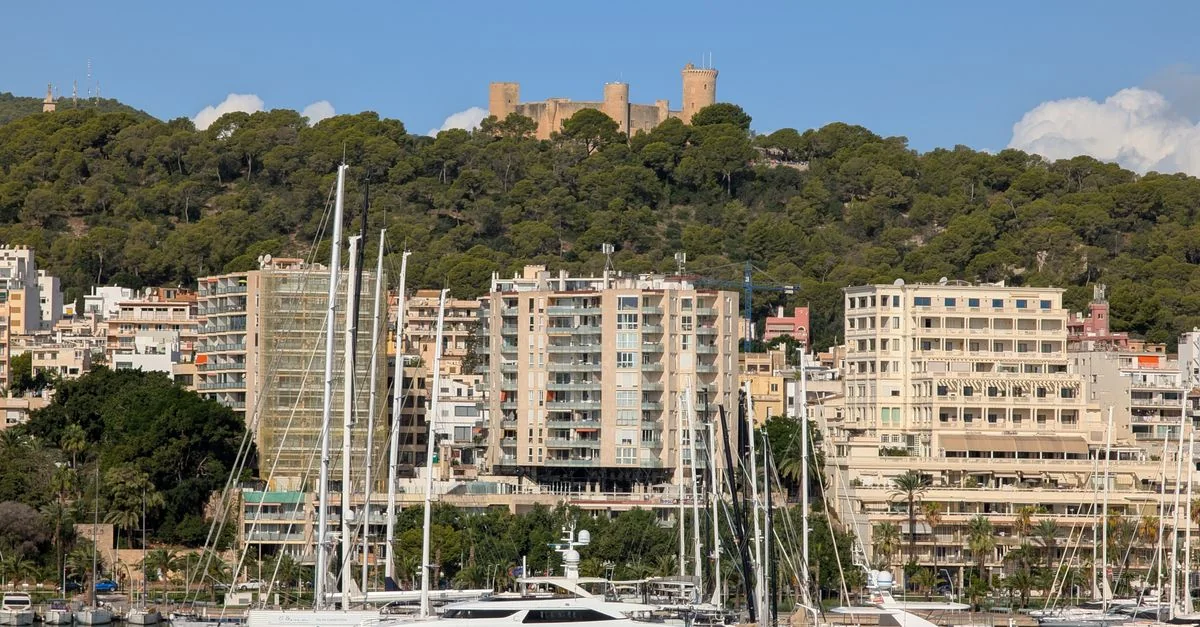
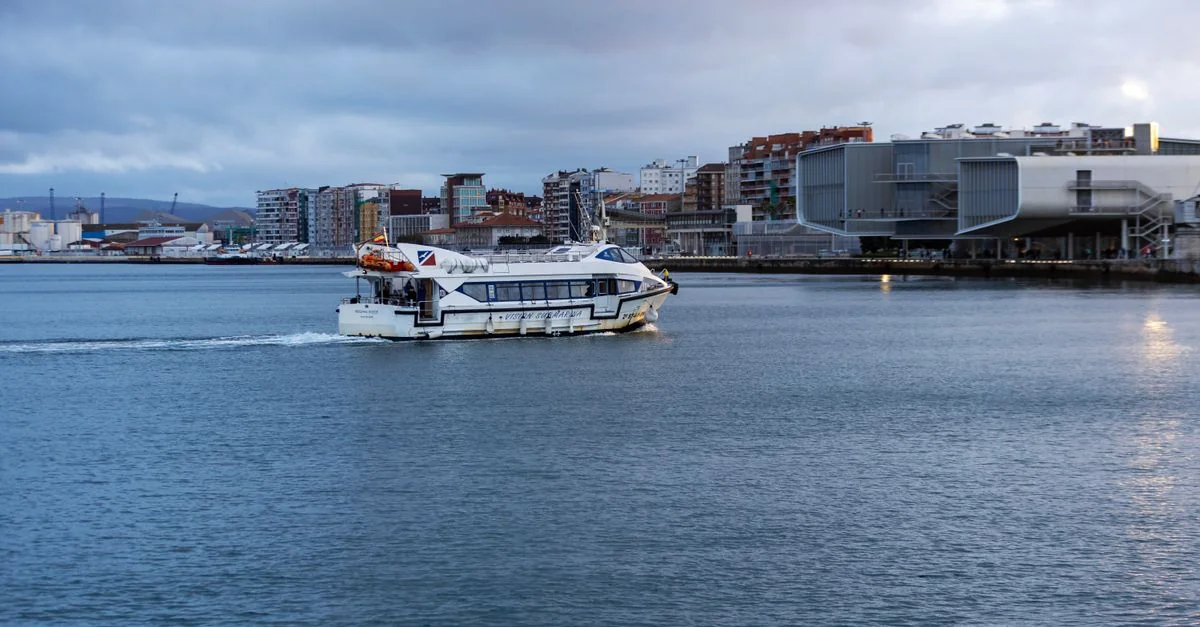
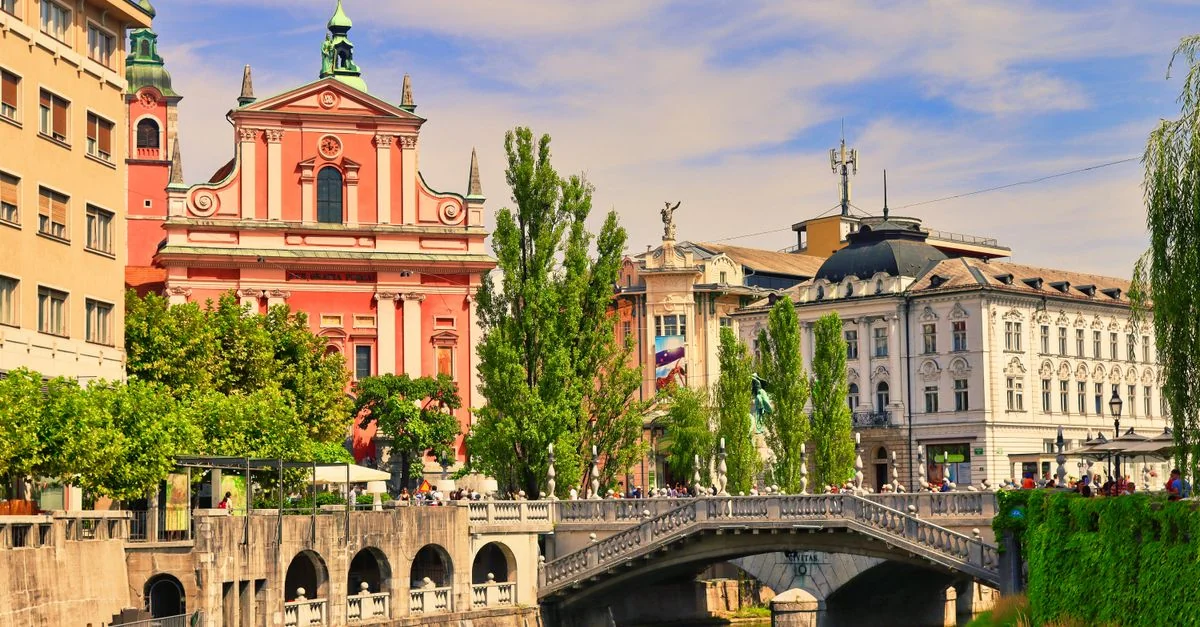
Standing on the deck as we pulled away from the port, the silhouette of Mallorca’s coastline slowly dissolved into the afternoon haze, leaving behind the serrated ridge of the Serra de Tramuntana and the calm waters of the Balearic Sea. For travelers who prefer a slower pace, trading airplane cabins for open sea lanes is always the superior choice. This route connects two major Mediterranean hubs, and doing it by boat transforms a simple transit into part of the journey itself. Taking the Ferry From Mallorca to Barcelona
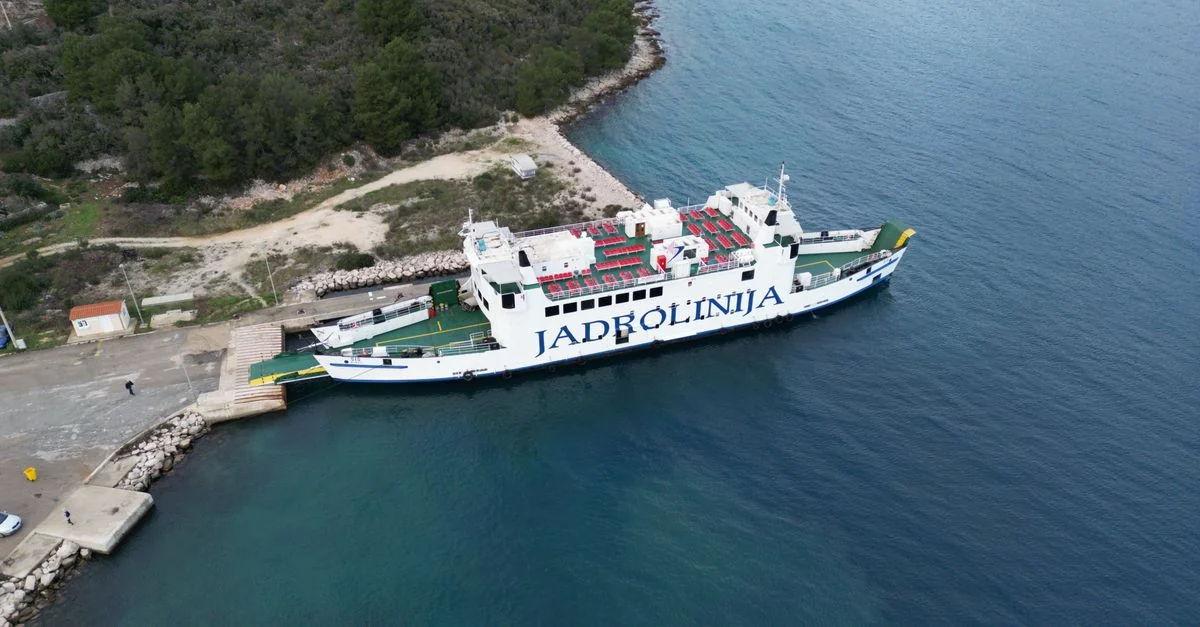
The morning light hits the harbor of Mali Lošinj with a particular sharpness, illuminating the masts of sailboats bobbing against the quay. As the ferry pulls into position, the scent of salt air mixes with the faint hum of diesel engines. Watching the island retreat as the vessel gains speed, the Adriatic stretches out in a wide, deep blue expanse, offering a perspective of the Kvarner islands that you simply cannot get from a car window. Taking the Ferry From Mali Lošinj to Zadar
Salt spray on the wind and the low rumble of the engine shifting into gear—there is nothing quite standing on the outer deck as the lines are cast off. Whenever I travel the northern Adriatic, I skip the highways and head straight for the water. Connecting the pine-scented shores of Lošinj to the ancient Roman amphitheater city of Pula is one of my favorite maritime runs in Croatia. If you appreciate a slower pace where the journey is just as important as the destination, this is a passage you need to make. Taking the Ferry From Mali Lošinj to Pula
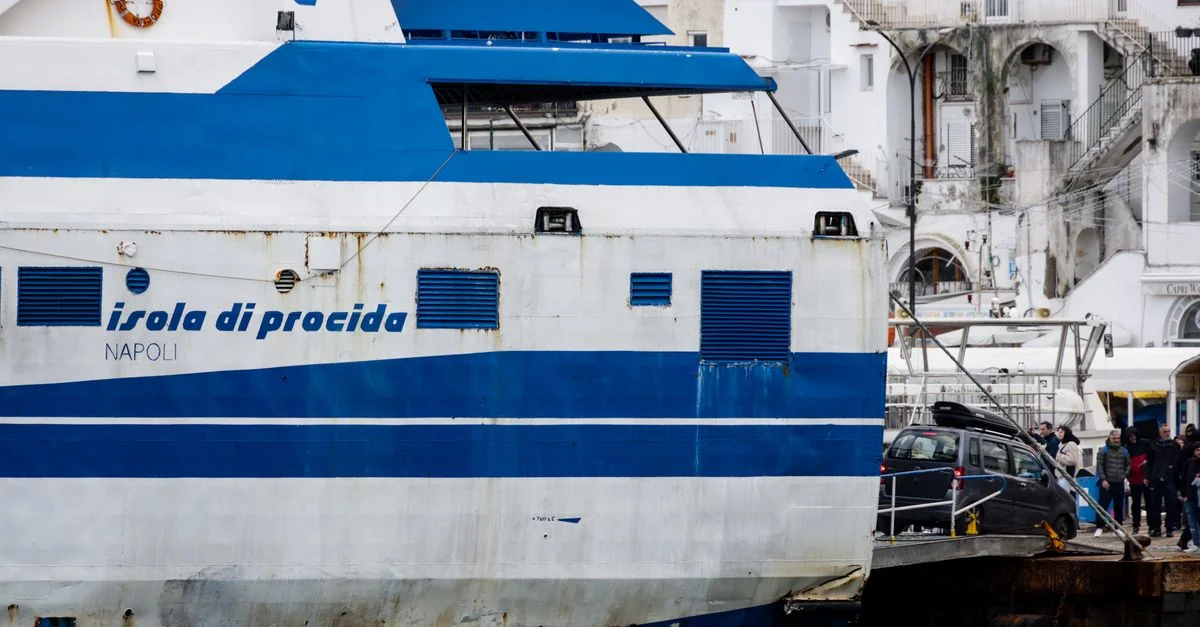
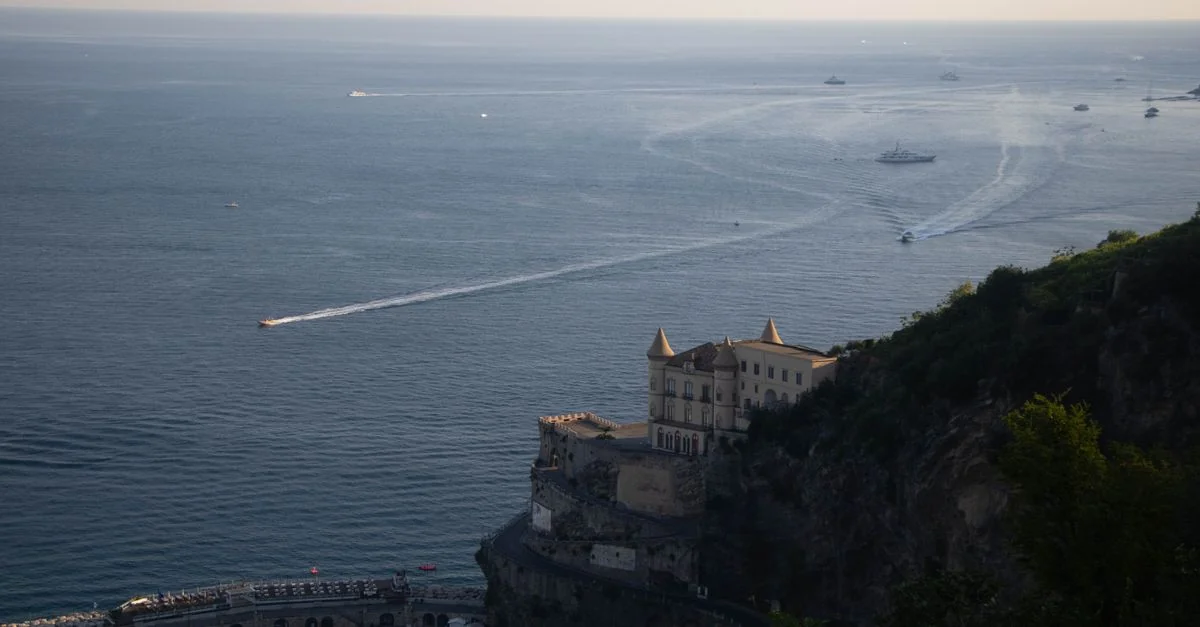
Standing on the seafront in Maiori, the limestone cliffs of the Amalfi Coast drop dramatically into the deep blue Tyrrhenian Sea, while pastel-colored buildings cascade down the slopes behind the port. Watching the ferry maneuver toward the concrete pier is the best part of the morning. There is a distinct rhythm to coastal arrivals here—crew members shouting instructions in Italian, thick mooring lines flying through the air, and the low rumble of diesel engines echoing off the cliffs. For anyone planning a trip from the Amalfi Coast to the islands, taking to the water remains the most practical and scenic way to travel. Taking the Ferry From Maiori to Capri
Standing on the sun-bleached pier at Maiori, I watched the pastel-colored buildings climb steeply into the rugged cliffs above the Tyrrhenian Sea. The salt spray drifted over the stone quay, and the distant rumble of a marine diesel engine signaled the arrival of the next vessel. For anyone traveling along this dramatic southern Italian coastline, skipping the winding coastal road in favor of the water is always the right call. Taking the Ferry From Maiori to Amalfi
Standing on the outer deck of the vessel as we pull away from Mali Lošinj, the scent of pine and salt hangs heavily in the morning air. Pastel-colored captain’s houses line the semicircular harbor, slowly shrinking into the distance as the ship carves its path southward through the Kvarner Gulf. This is my absolute favorite way to travel in Croatia—leaving the road behind and letting the sea do the work while the islands slide by like chapters in a well-worn book. Taking the Ferry From Lošinj to Zadar
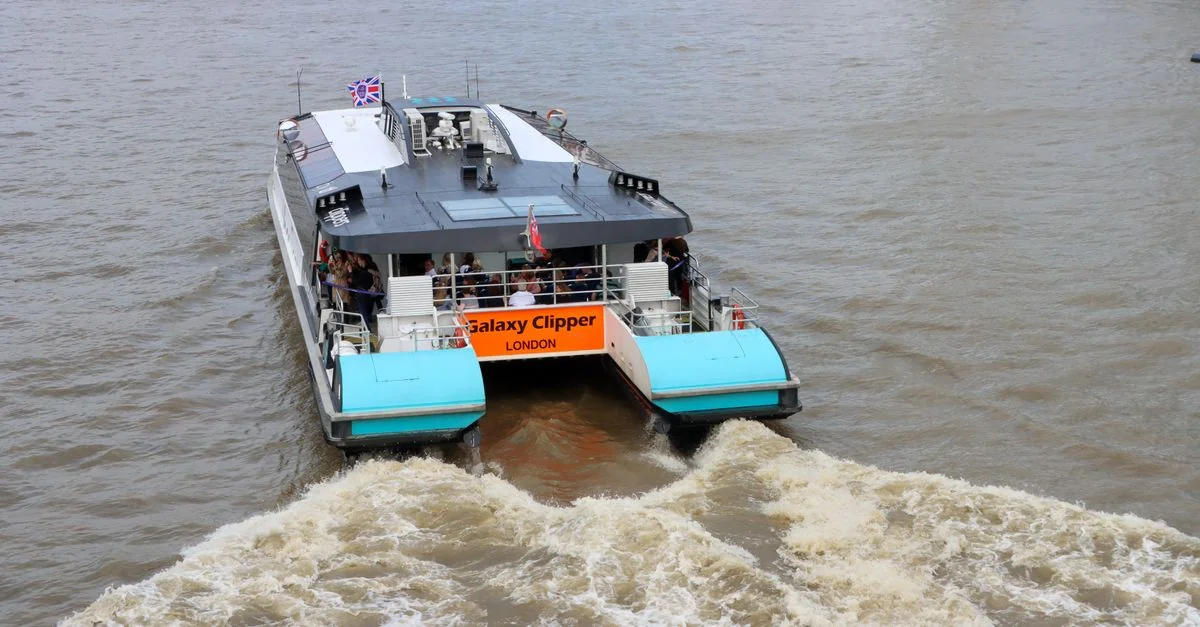
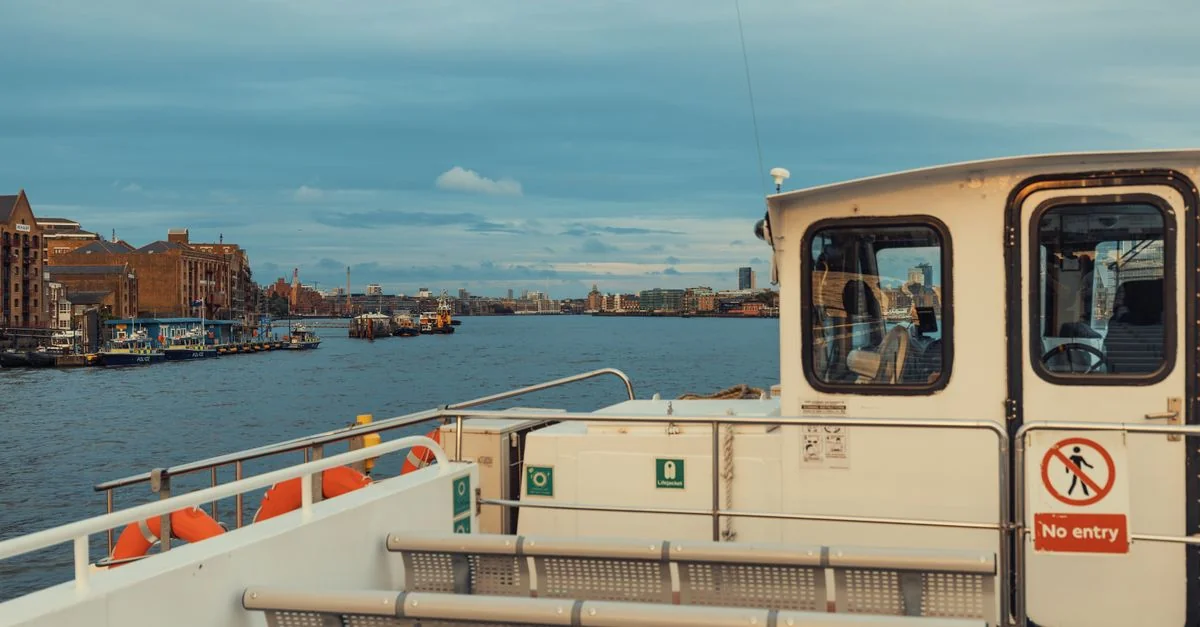
Standing on the outer deck, watching the London skyline slowly fade into the maritime haze, I feel that familiar sense of liberation that only comes from travelling by sea. There is no waiting in sterile airport queues or staring at the back of a train seat. Instead, you have the open air and the steady hum of the engines beneath your feet. Taking the Ferry From London to Ghent
Standing on the outer deck, watching the chalk cliffs of southern England slowly recede into the mist while the salt spray hits the rail, reminds me why I always choose the water. There is a distinct rhythm to setting sail that no tunnel or high-speed rail line can ever replicate. If you want to travel from London to Bruges, bypassing the standard tourist routes in favor of a maritime passage changes the entire character of the journey. Taking the Ferry From London to Bruges
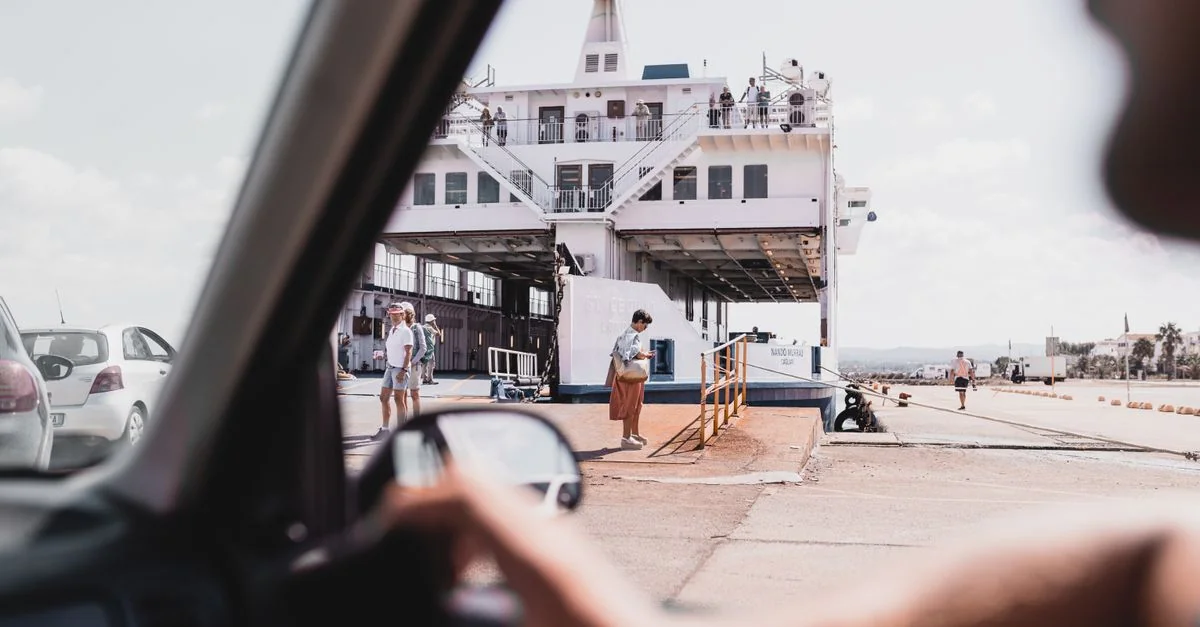
Standing on the terminal tarmac, the salty Adriatic air hits you long before you step foot on the vessel. Gulls wheel overhead, and the low, steady thrum of idling diesel engines vibrates through the concrete. There is a distinct rhythm to port life that you simply do not get at a highway rest stop. Watching the mooring lines cast off and feeling the initial surge of momentum as the hull pushes away from the quay is my favorite way to begin a journey. Taking the Ferry From Ljubljana to Rovinj
Salt spray catches the morning light as the hull pushes away from the dock, framing the harbor in a fading wake while seagulls wheel overhead. I have always preferred the slow approach to a coastal city from the water, watching the shorelines shift rather than staring at asphalt from a highway window. When planning a journey from the green interior of Slovenia down to the Istrian coast, choosing the right transport sets the tone for the entire trip. As a dedicated traveler who measures distance in knots rather than miles, I always seek out the maritime route whenever a coastline is involved. For this specific connection, understanding how the sea route stacks up against the road requires looking closely at the numbers.