Salt spray hits the air as the vessel pulls away from the dock, leaving the Ionian coastline behind. Watching the jagged cliffs of Lefkada recede while the imposing peaks of Kefalonia rise on the horizon remains one of the finest introductions to island hopping in Greece. As someone who measures travel by the quality of the maritime routes, this specific crossing offers a straightforward, scenic, and economical passage between two major island destinations. Taking the Ferry From Lefkada to Kefalonia
Standing on the deck as the engines rumble to life, the coastline of Lefkada slowly recedes into the salty haze. For anyone who prefers their transit with a heavy dose of sea breeze and open horizon, the sea route across the Ionian Sea offers a proper maritime escape. Instead of staring at the tarmac, you get an unobstructed vantage point of the Greek islands rolling past on the horizon. Taking the Ferry From Lefkada to Corfu
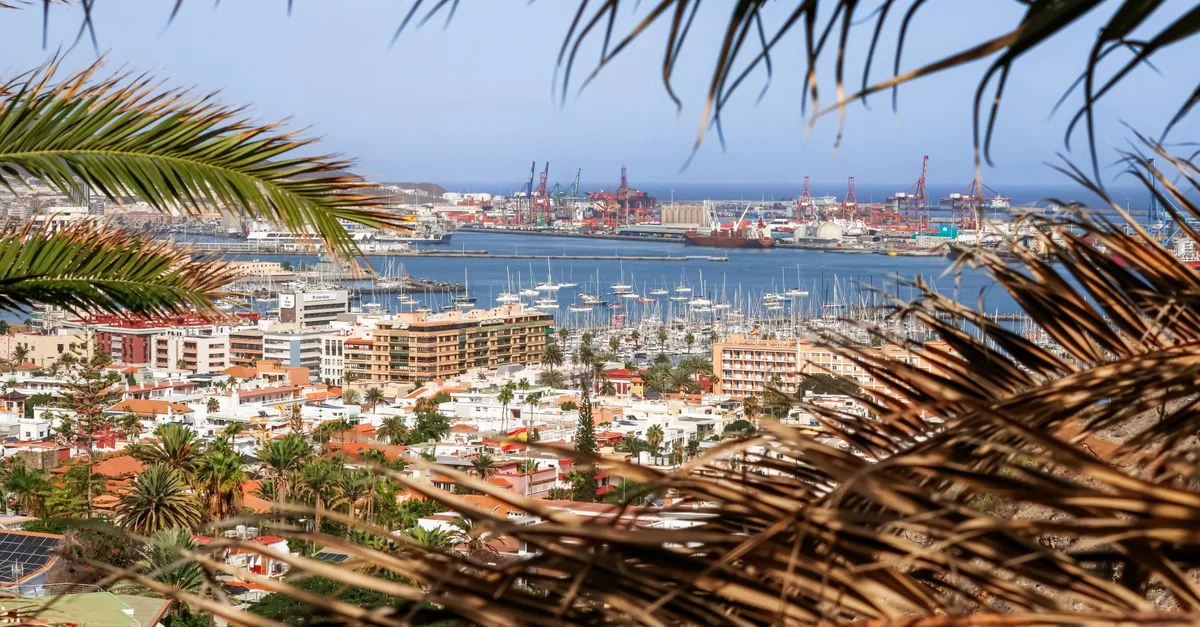
The view from the stern of the ship as it pulls away from the port of Las Palmas de Gran Canaria is one of my favorite sights in the Canary Islands. The concrete sprawl of the city slowly recedes, replaced by the deep, indigo expanse of the Atlantic Ocean. Watching the wake churn into white foam against the backdrop of the rugged coastline gives you a sense of scale that you simply cannot get from a plane window. As the ship gains speed, the silhouette of Tenerife begins to rise on the horizon, promising a different pace of life just over an hour away. Taking the Ferry From Las Palmas de Gran Canaria to Tenerife
Watching the coastline of Calabria recede as the ferry pulls away from the dock is my favorite way to start a journey. The water churns into a frothy white wake, and the salty breeze clears the mind in a way that no airport terminal ever could. As the ship gains momentum, the distant silhouette of Sicily begins to sharpen against the horizon, signaling the transition from the Italian mainland to the rugged beauty of Catania. Taking the Ferry From Lamezia Terme to Catania
Standing on the edge of the port, watching the ferry maneuver against the dock while the engine hums a low, steady bass note, always sets the right tone for a journey. The water stretches out ahead toward the Ionian islands, offering an immediate sense of arrival before you even step on board. Whenever I map out an itinerary that includes coastal Greece, crossing by water remains my preferred method of transit. It strips away the sterile nature of modern travel and connects you directly to the geography of the region. Taking the Ferry From Ladochori to Corfu
The salt spray hits your face as the rugged, volcanic cliffs of La Palma begin to shrink into the distance. From the railing, the island looks like a dark green pyramid rising sharply from the deep blue of the Atlantic. As the ship turns toward Tenerife, the horizon opens up, leaving nothing but the vast ocean and the occasional glimpse of a distant peak. There is something about the slow departure from a Canary Island port that settles the mind, replacing the rush of city life with the steady thrum of marine engines. Taking the Ferry From La Palma to Tenerife
As the rusty hull of the car carrier shifts against the stone quay in L’Île-Rousse, the rusty orange rooftops of the Corsican town slowly fade behind a rising wall of white foam. Standing out on the open deck, the salt spray hits my face as the rugged Balagne coastline shrinks into the distance. This is the moment I live for—watching the jagged peaks of northern Corsica trade places with the endless blue of the Mediterranean Sea. If you want to cross to the French mainland without stepping foot inside an airplane cabin, this sea route is an impressive way to travel. Taking the Ferry From L’Île-Rousse to Toulon
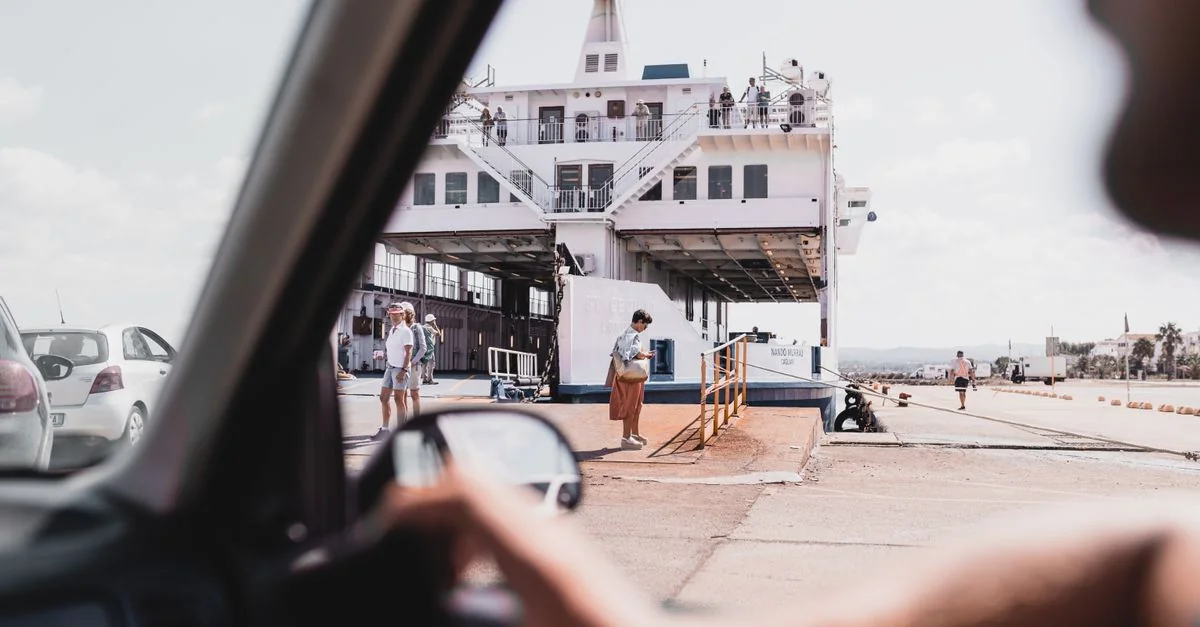
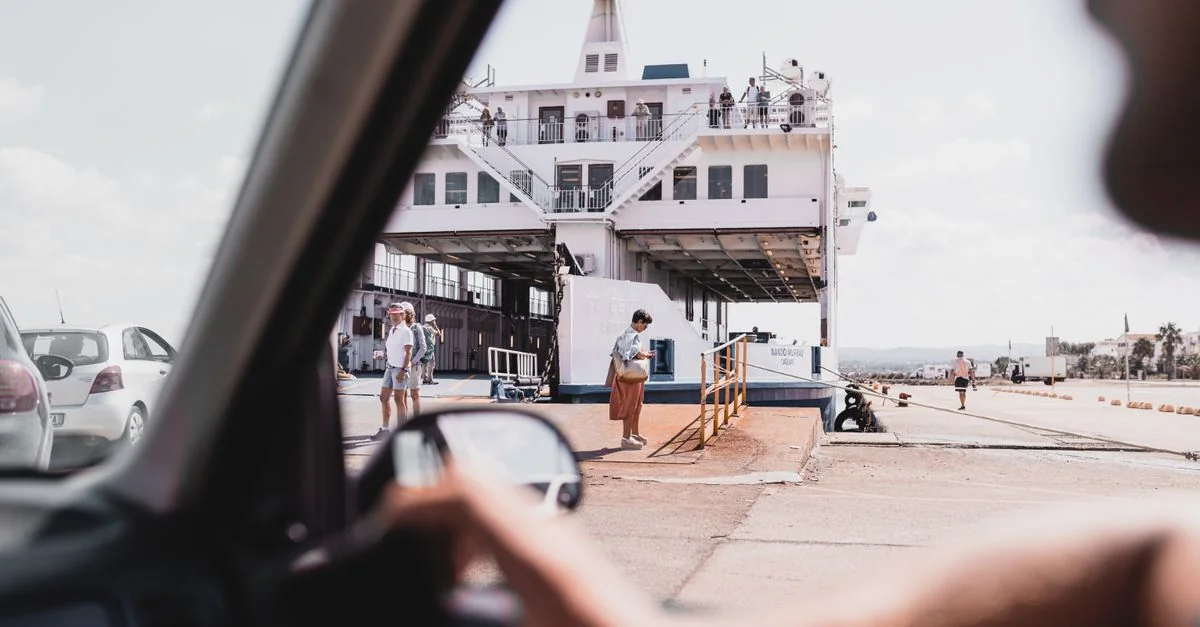
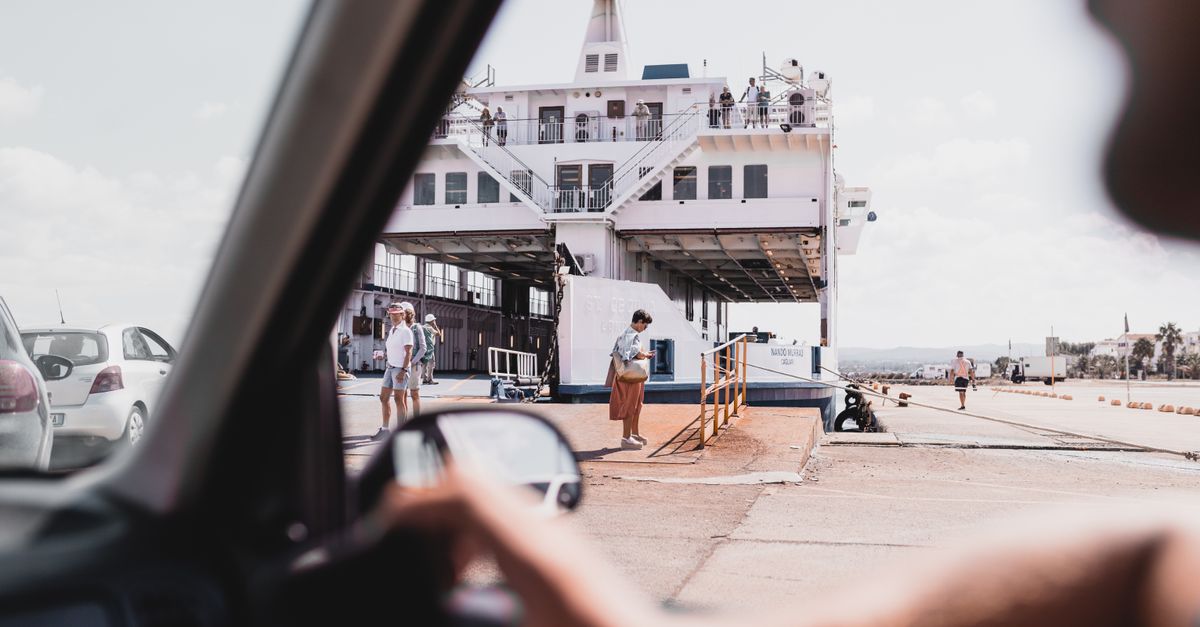
The white paint of the ferry reflects the harsh Greek sun as it sits docked at Kyllini. From the port, the horizon is a flat line of deep blue, broken only by the distant silhouette of the Peloponnese coastline receding as the engines hum to life. There is a specific smell to these ports—a mix of salt spray, diesel, and the faint scent of roasting coffee from the nearby kiosks. As the ramp lifts, the ship slowly pulls away from the concrete pier, leaving the mainland behind for the open waters of the Ionian Sea.
The morning light hits the Ionian Sea differently than you might expect. It is not the blinding white glare of the Mediterranean south, but a softer, greener hue that reflects the dense pine forests of the mainland and the rugged cliffs of the island ahead. Standing on the deck of the ferry as it pulls away from the port of Kyllini, watching the Peloponnese coastline recede behind me, I am reminded why I prefer this mode of travel. There is a specific rhythm to ferry crossings that land transport simply cannot replicate. It is a transition, a moment where the noise of daily life is replaced by the steady hum of the engine and the slap of water against the hull. For those traveling from the Greek mainland to the island of Kefalonia, this short hop is not just a logistical necessity; it is the first chapter of the island experience.
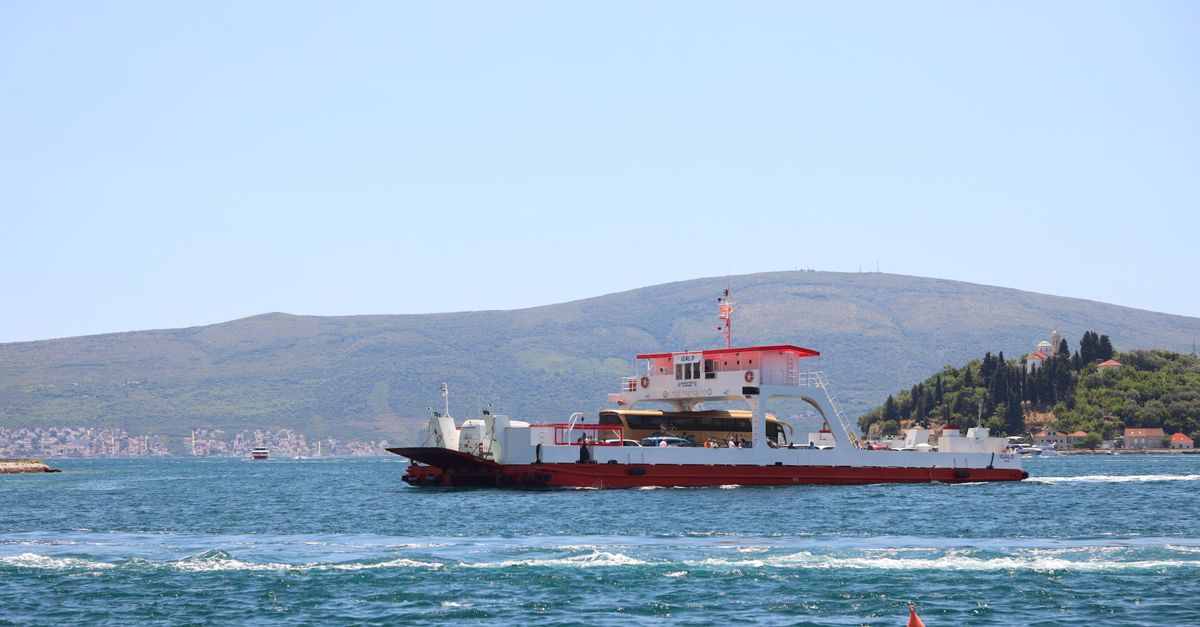
The limestone cliffs of the Bay of Kotor fade into the distance as the vessel pushes out toward the open Adriatic. From the railing, the water shifts from a deep, sheltered navy to a bright, shimmering turquoise. Watching the Montenegrin coastline slip away while the salt spray hits your face is the only way to start this journey. There is something about the rhythm of the engine and the slow reveal of the Dalmatian islands that makes the transit feel like the main event rather than just a gap between cities.