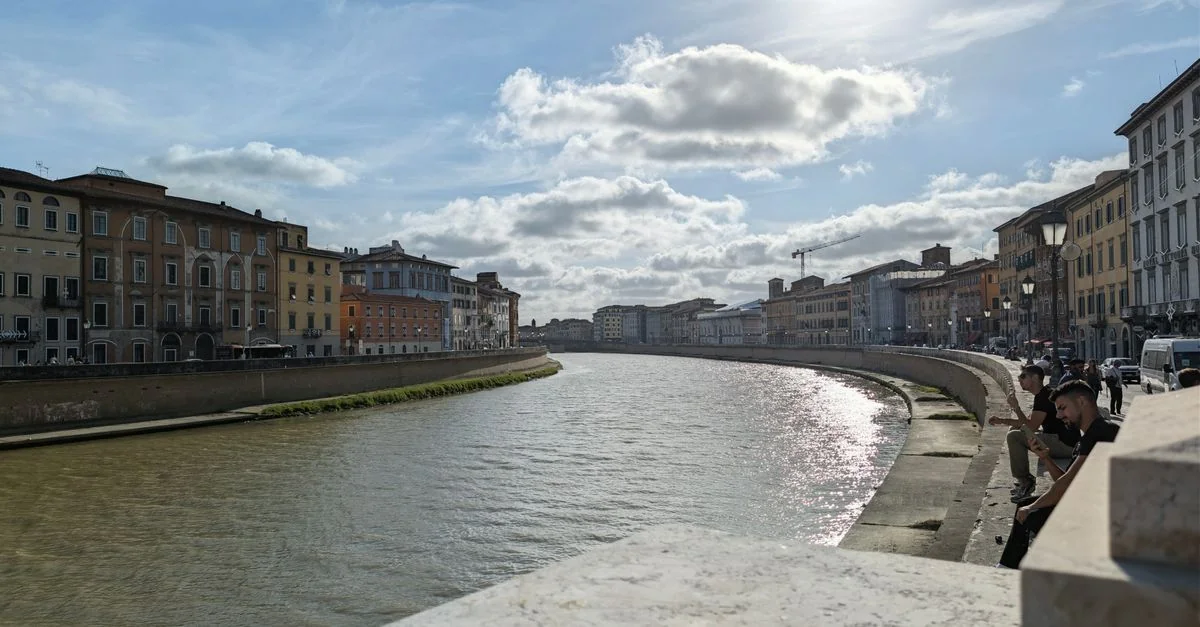
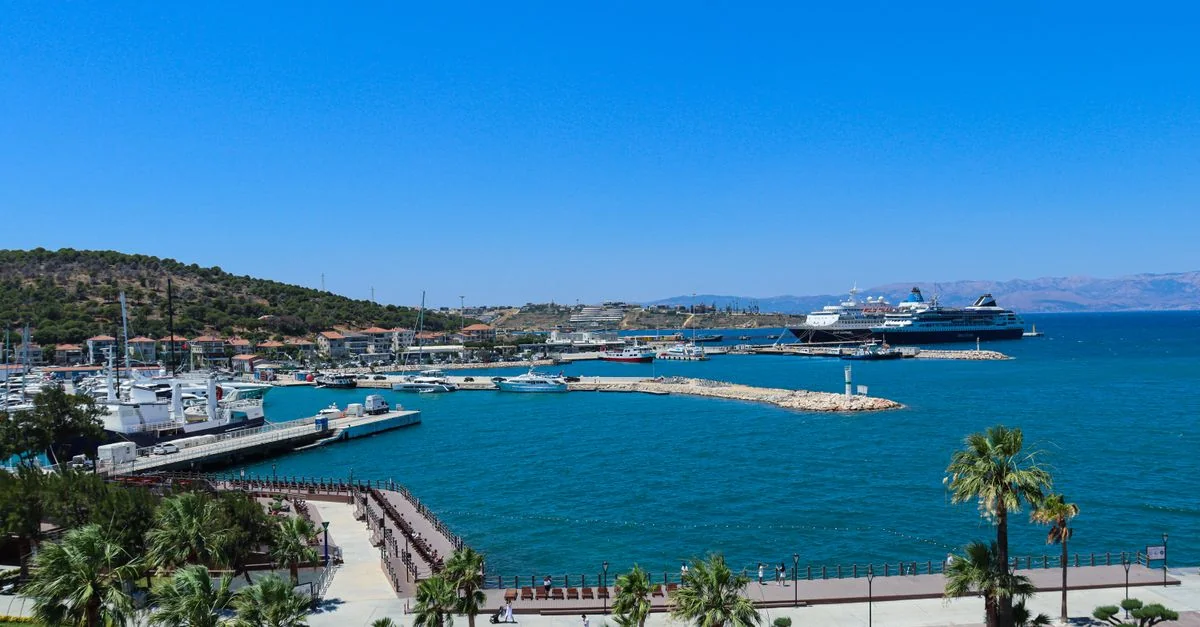
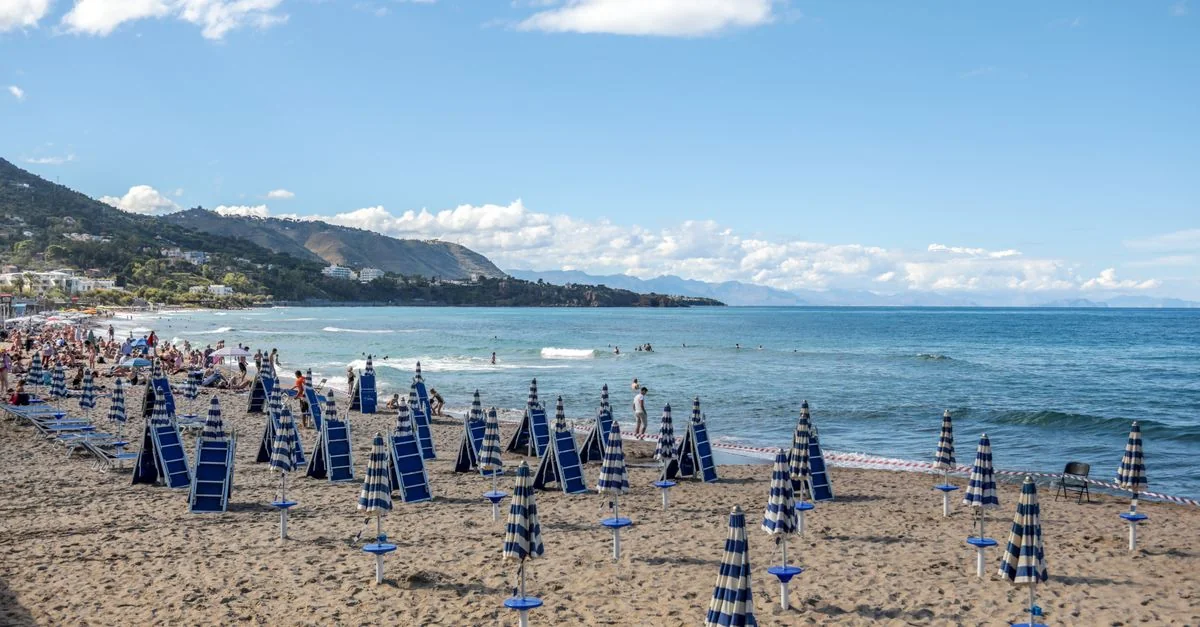
Standing on the outer deck as the coastline recedes, I watch the Tyrrhenian Sea stretch out endlessly ahead. There is a distinct rhythm to traveling by water that air terminals simply cannot replicate, turning the journey itself into a core memory of the trip. Taking the Ferry From Pisa to Sardinia # When it comes to the crossing from Pisa to Sardinia, the numbers speak for themselves. The ferry takes 7h 0m and costs $15.
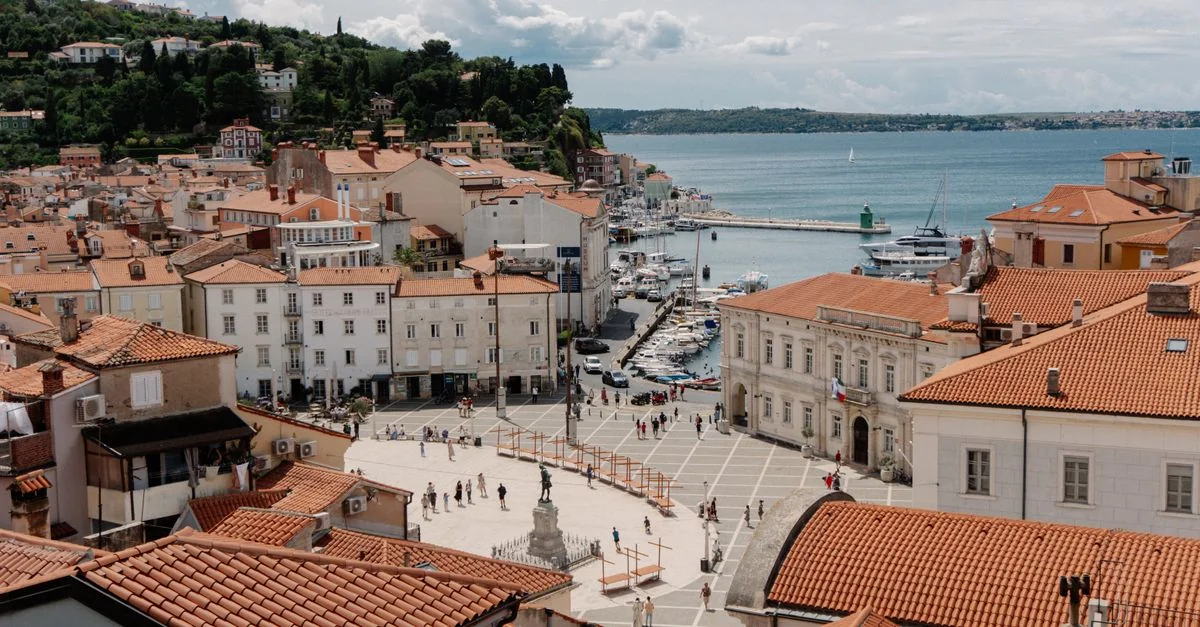
The limestone cliffs of the Slovenian coast slowly fade into the distance as the vessel pulls away from the old salt-pans and Gothic architecture of Piran, leaving a white wake across the Gulf of Trieste . Looking back from the open deck, the slender bell tower of St. George’s Parish Church shrinks against the blue expanse of the Adriatic, setting the stage for a quick maritime transit to Italy . As someone who tracks ferry schedules across the Mediterranean with obsessive precision, I always prefer water over asphalt when the geography allows. This particular northern Adriatic hop is one of my favorite short routes because it trades the monotony of highways for salt spray and maritime traffic.
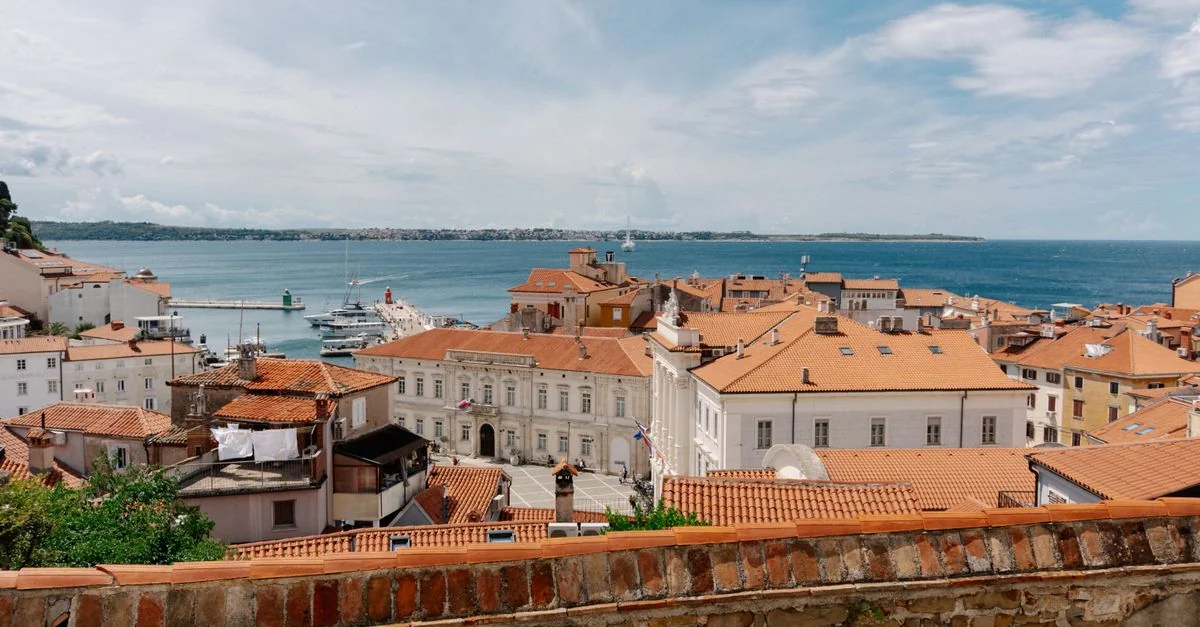
Standing on the stone quays of Piran, salt spray hits the seawall as the ferry idles against the pier, its engines humming a low, steady baseline against the Adriatic tide. Pale Venetian Gothic bell towers rise behind the harbor, casting long shadows over the terracotta rooftops of Slovenia ’s most picturesque coastal town. This is the starting point for a journey inland, and watching the coastline recede from the stern remains one of the finest ways to leave the salt air behind. Taking the Ferry From Piran to Ljubljana # Catching a maritime connection from the coast offers a specific kind of travel satisfaction. Instead of sitting in traffic on the highway, passengers step directly onto the water. The crossing takes 40 min, slicing across the blue expanse of the gulf before arriving at the connection point for the interior.
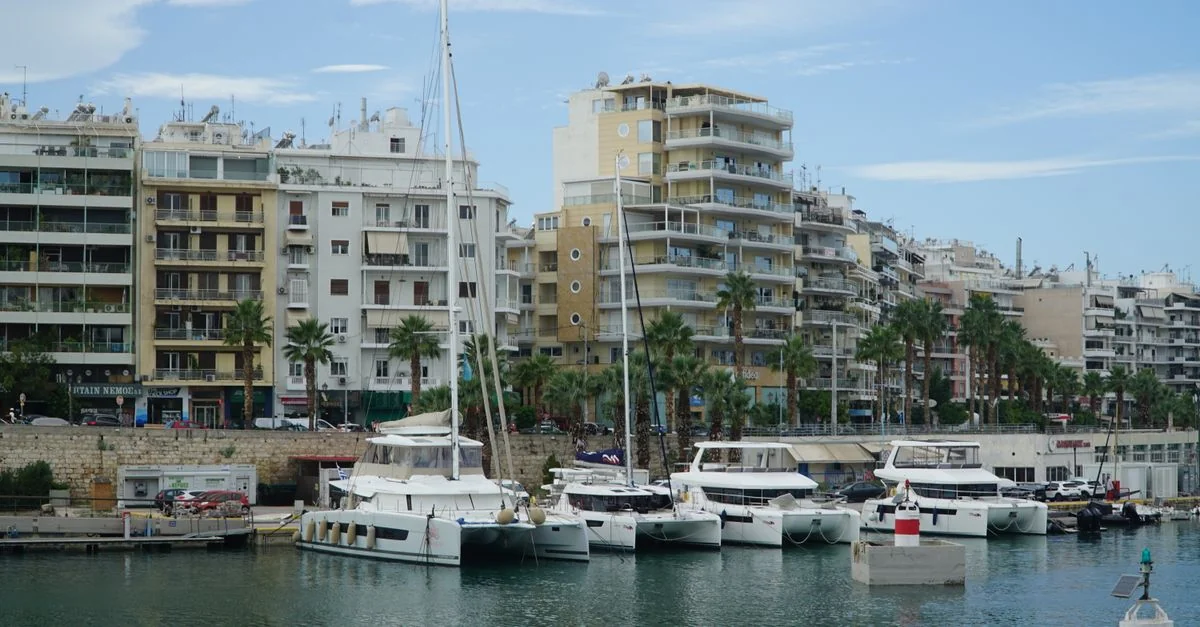
The sight of the Piraeus harbor at dawn is a chaotic symphony of steel and salt. Massive hulls tower over the quays, their ramps lowering like drawbridges into the churning water. As the engines hum, vibrating through the concrete beneath your feet, you watch the Athenian skyline recede, replaced by the deep, shifting blues of the Aegean Sea. There is a specific rhythm to leaving the mainland behind, a transition from the noise of the city to the steady, rhythmic pulse of the open water. Taking the Ferry From Piraeus to Paros # Choosing the ferry for the journey to Paros is an intentional decision to prioritize the experience of the transit over mere speed. The crossing takes 3h 35m. While this is significantly longer than an air transit, the ferry offers a perspective of the Cyclades that you simply cannot replicate from a pressurized cabin.
Standing on the outer deck at Gate E6 or E7 in Piraeus, the Aegean air smells of diesel, salt water, and warm sesame bread from the dockside kiosks. As the massive stern ramps lift and the ship pulls away from the concrete breakwater, the chaotic Athens skyline fades into the blue haze of the Saronic Gulf. For me, the journey across these ancient waters remains the only proper way to reach the Cyclades . Taking the Ferry From Piraeus to Naxos # When the sea calls, I always choose the slow route over the rigid metal tube of an airplane. The maritime highway from the mainland to Naxos covers open water dotted with distant islands, turning a simple transit into a full day on the water.
The salt spray hits the railing as the massive car deck doors seal shut, and the Piraeus port skyline slowly recedes behind a wake of churned-up white foam. Standing on the outer deck, watching the container cranes and docked tankers shrink against the Attic sun, remains one of my favorite rituals in the Mediterranean. Leaving mainland Greece by sea allows you to watch the concrete sprawl of Athens give way to the deep blue of the Aegean, shifting the entire rhythm of your journey before you even reach the open water. Taking the Ferry From Piraeus to Mykonos # Choosing the sea route over other forms of transit changes the nature of the trip entirely. When you take the ferry from Piraeus to Mykonos , the transit itself becomes part of the holiday rather than just a hurdle to cross. The journey takes 3h 45m, slicing through the Cyclades past islands like Kea, Kythnos, and Syros.
As I stand on the busy docks of Piraeus watching the massive blue-and-white hulls maneuver against the concrete quays, the scent of diesel and sea salt always hits me just right. The Saronic Gulf stretches out before us, dotted with distant cargo ships and smaller fishing boats, all cutting through choppy blue water under a hot Greek sun. Leaving the mainland behind always feels like a proper exhale, and my preferred way to reach the car-free island of Hydra is straight off these very piers. Taking the Ferry From Piraeus to Hydra # When you travel between Piraeus and Hydra, the vessel type matters for your schedule and your wallet. The journey takes 1h 10m on the designated ferry.

The view from the Piombino departure terminal is one of anticipation. As you stand on the quay, the industrial silhouette of the port gives way to the deep blue expanse of the Tyrrhenian Sea. In the distance, the rugged, green-sloped profile of Elba begins to sharpen against the horizon. Watching the ferry maneuver into its berth, its bow doors yawning open to release vehicles and passengers, is the quintessential start to an island crossing. The salt air hits you before you even step onto the gangway, signaling the transition from the mainland to the quiet rhythms of Portoferraio. Taking the Ferry From Piombino to Portoferraio # The crossing between Piombino and Portoferraio is the primary artery for reaching the island of Elba. It is a short, efficient transit that covers the stretch of water separating the Tuscan coast from the archipelago. The duration of the crossing is 45 min. Because the journey is brief, it feels less like a long-haul transit and more like a quick bridge between two distinct worlds.
The first thing that hits you as you step onto the dock at Piombino is the salty breeze that carries the faint scent of seaweed and diesel. The harbor is a modest stretch of concrete and stone, with a line of modest ferries bobbing gently against the tide. From the railing, you can see the Tuscan coastline receding, the low hills turning into a thin line of green, and the open water that will soon become the backdrop for a short but memorable crossing to the island of Elba. Taking the Ferry From Piombino to Elba # The Piombino‑Elba route is a straightforward hop across the Tyrrhenian Sea. The ferry departs from the main terminal in Piombino and makes a single, direct run to the port of Portoferraio on Elba. The scheduled sailing time is 45 minutes, and the ticket price is $19 for a standard passenger seat.
The mainland drops away behind the churning white wake as the vessel pulls away from the Tuscan coast, framing the distant, rugged silhouette of Cap Corse across the Ligurian Sea. Standing on the exterior decks as Piombino fades into the haze, the salt spray hits the face while the engine thrums a steady, reassuring rhythm beneath the boots. This is the prologue to Corsica, where the air shifts from the rich pine and earth of the Italian mainland to the wild, macchia-scented breeze of the Isle of Beauty. For anyone watching the container cranes of the port shrink into the distance, taking a ship across this stretch of water beats any flight hands down. Taking the Ferry From Piombino to Bastia # When it comes to getting across the water from Tuscany to Corsica, the maritime route stands as the most straightforward and sensible choice available in the provided data. The crossing takes 3h 0m from port to port.