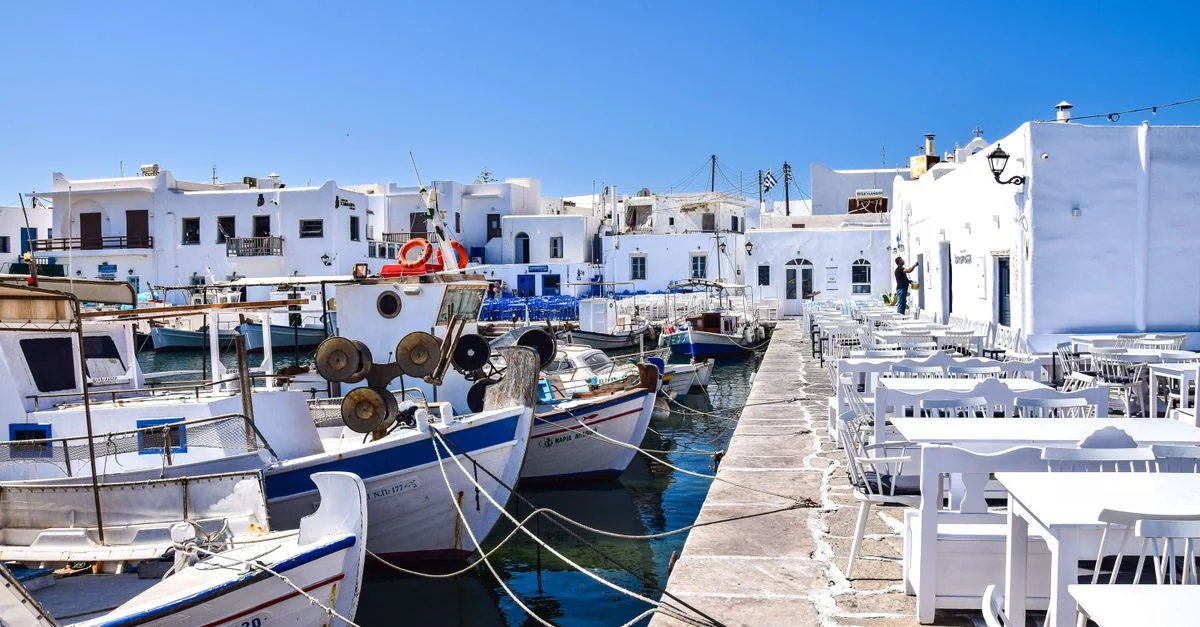
Standing at the port of Paros as the morning sunlight hits the whitewashed Cycladic cubism of Naoussa and Parikia, the heavy rumble of diesel engines signals the arrival of the morning vessel. Ferry travel in the Greek islands remains one of my absolute favorite ways to move across the water, trading the sterile, windowless corridors of modern airports for the salt spray on deck and the shifting blue expanse of the Aegean Sea. When it comes to crossing south from the central Cyclades down to the massive shores of Crete, watching the island wake up from the ferry rail is a ritual I never skip. Taking the Ferry From Paros to Crete # Choosing the ferry for this specific route keeps your journey grounded in the actual landscape of Greece rather than above the clouds. The maritime connection from Paros to Crete takes 3h 30m of steady sailing across open water. While some travelers automatically default to flying, looking at the numbers reveals why the sea route holds its own appeal. The ferry ticket costs $81, making it a competitive option when you factor in baggage fees and airport transfers.
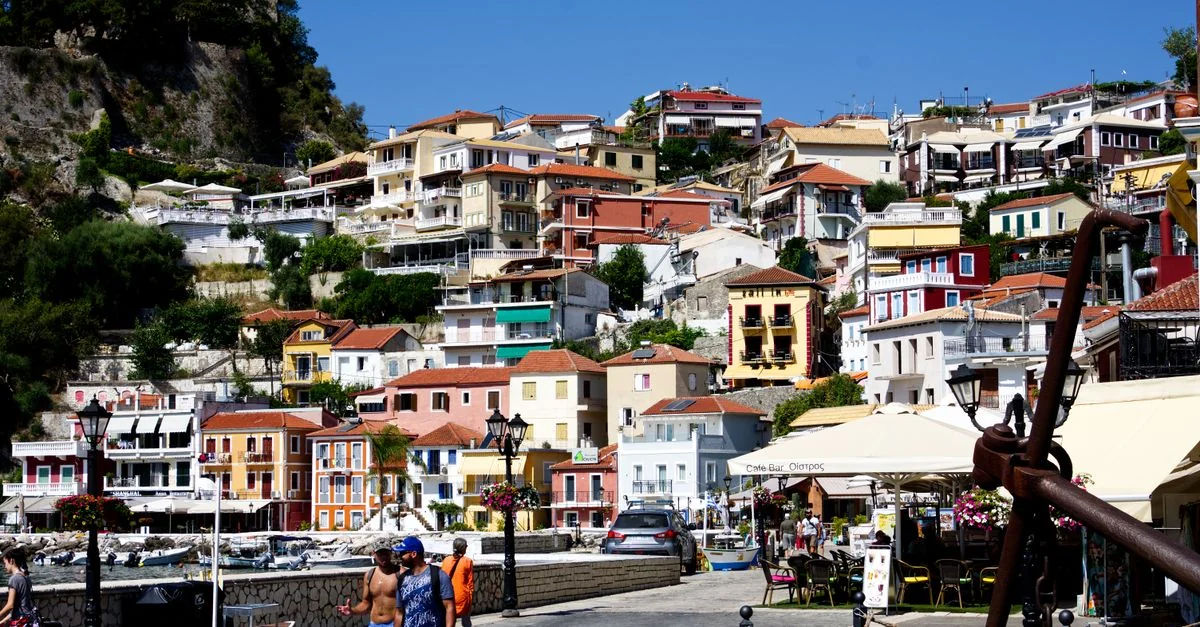
Watching the colorful houses of Parga recede into the distance as the boat pulls away from the quay is the best way to start a morning. The Ionian Sea opens up, revealing the deep blue expanse that separates the mainland from the island of Corfu. From the stern, the jagged coastline of Epirus slowly flattens, while the silhouette of Corfu begins to dominate the horizon. There is a specific rhythm to this crossing that you simply do not get when traveling by land. Taking the Ferry From Parga to Corfu # The ferry crossing from Parga to Corfu is a straightforward journey that prioritizes efficiency and scenery. The transit takes exactly 50 minutes. This is a short trip, making it an ideal way to bridge the gap between the mainland and the island without the fatigue of a long drive or a complex transit schedule.

The sight of the Palma de Mallorca port at dawn is something I never tire of. As the morning light hits the cathedral, the massive hull of the ferry looms against the harbor wall, a steel giant waiting to carry passengers across the Mediterranean. There is a specific rhythm to the port—the sound of heavy chains, the hum of engines warming up, and the steady stream of travelers walking up the gangway. Leaving the island by sea offers a perspective you simply cannot get from a runway; you watch the Balearic coastline shrink into the horizon, replaced by the deep, open blue of the sea. Taking the Ferry From Palma de Mallorca to Nice # Choosing the ferry over other modes of transport is a decision to prioritize the journey itself. The crossing from Palma de Mallorca to Nice takes 13h 30m. While this is significantly longer than other methods, it transforms the transit into a period of rest. You are not confined to a narrow seat with limited legroom; you have the freedom to pace the decks, sit in a lounge, or watch the waves.
The morning light hits the limestone cliffs of Palma as the ship pulls away from the quay. Watching the cathedral shrink into the distance while the open expanse of the Balearic Sea stretches toward the horizon is a specific kind of satisfaction. There is a rhythmic hum from the engines that signals the start of a journey, a transition from one island to another that feels far more intentional than a quick flight. As the coastline of Mallorca fades, the deep blue water takes center stage, preparing you for the arrival at the quieter, rugged shores of Menorca. Taking the Ferry From Palma de Mallorca to Menorca # The ferry crossing between Palma de Mallorca and Menorca is a straightforward transit that prioritizes utility and speed. The journey takes 1h 0m. When you consider the time spent navigating airport security, waiting at gates, and dealing with luggage restrictions, the ferry often proves to be the more relaxed way to traverse this distance.
Standing at the railing in the Balearic morning, watching the Palma de Mallorca skyline recede as the engines hum to life beneath my boots, I am reminded why slow maritime transit beats flying every single time. The white walls of the old town and the masts of moored yachts slowly shrink against the limestone backdrop of the Tramuntana mountains, offering a final, lingering look at the island before the open Mediterranean takes over. Taking the Ferry From Palma de Mallorca to Marseille # Choosing the sea route over the clouds means trading speed for genuine maritime transit. The ferry crossing between Palma de Mallorca and Marseille takes 13h 30m. It is a substantial journey across the open western Mediterranean, requiring you to settle in and adapt to the rhythm of shipboard life.
Salt spray clings to the air at the Palma de Mallorca ferry terminal as the massive stern doors close and the vessel begins its slow, measured rotation away from the Balearic quayside. As the harbor wall slips astern, the jagged limestone cliffs of Mallorca’s southern coast slowly give way to the open, deep-blue expanse of the Mediterranean. Crossing between these two iconic islands by sea offers a perspective you simply miss from thirty thousand feet in the air. For years, I have crossed this stretch of water whenever my travels bring me to the Balearics. There is a distinct rhythm to maritime travel here, watching the urban silhouette of Palma fade into a thin line on the horizon before the distant, pine-clad hills of Ibiza eventually rise to meet the bow. If you prefer your transit with a side of sea breeze and horizon views rather than airport security lines, taking the boat is the only way to go.
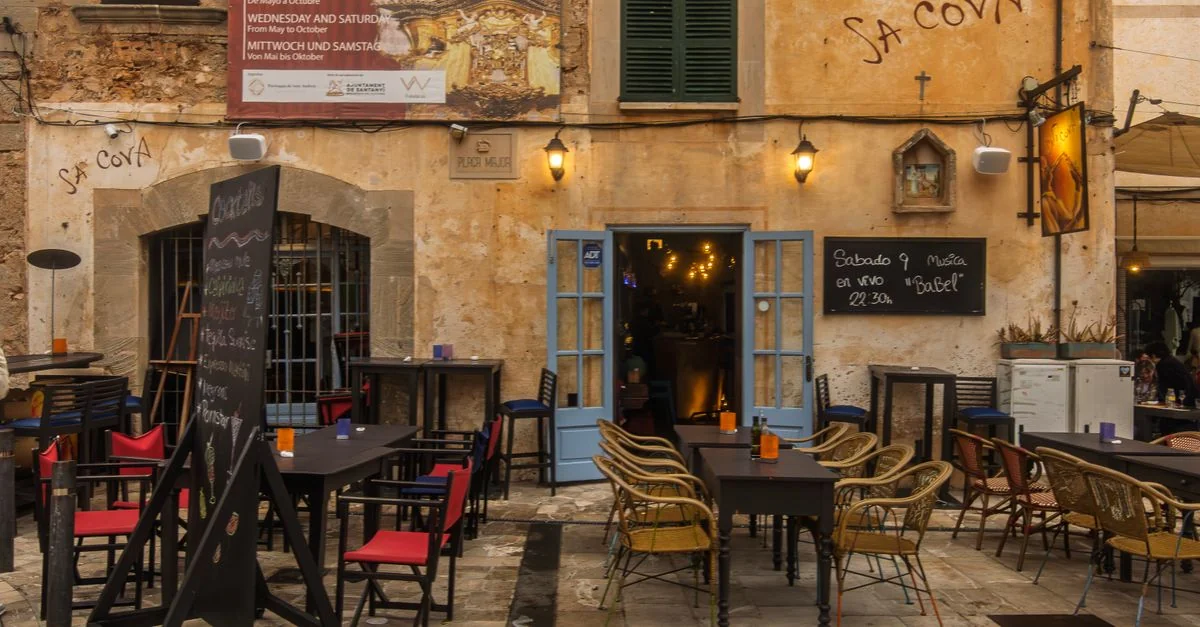
The view from the stern as the ferry pulls away from the port of Palma is one of my favorite sights in the Mediterranean. You watch the limestone cliffs of the Serra de Tramuntana recede, the golden stone of the Palma Cathedral shrinking into a silhouette against the morning haze. There is a specific rhythm to leaving the harbor; the churning wake turns from a deep, murky harbor green to a striking, open-sea indigo. Watching the island vanish behind you while the vast expanse of the Balearic Sea opens up ahead is a transition that no airplane window can replicate. Taking the Ferry From Palma de Mallorca to Barcelona # The ferry crossing between Palma de Mallorca and Barcelona is a staple of Mediterranean travel. It takes 5 hours and 30 minutes to complete the journey. While some travelers prioritize speed, I find that this duration is the perfect window to settle into a rhythm. You are not rushing through security queues or confined to a middle seat; you are moving across the water with the space to walk, eat, and watch the horizon.
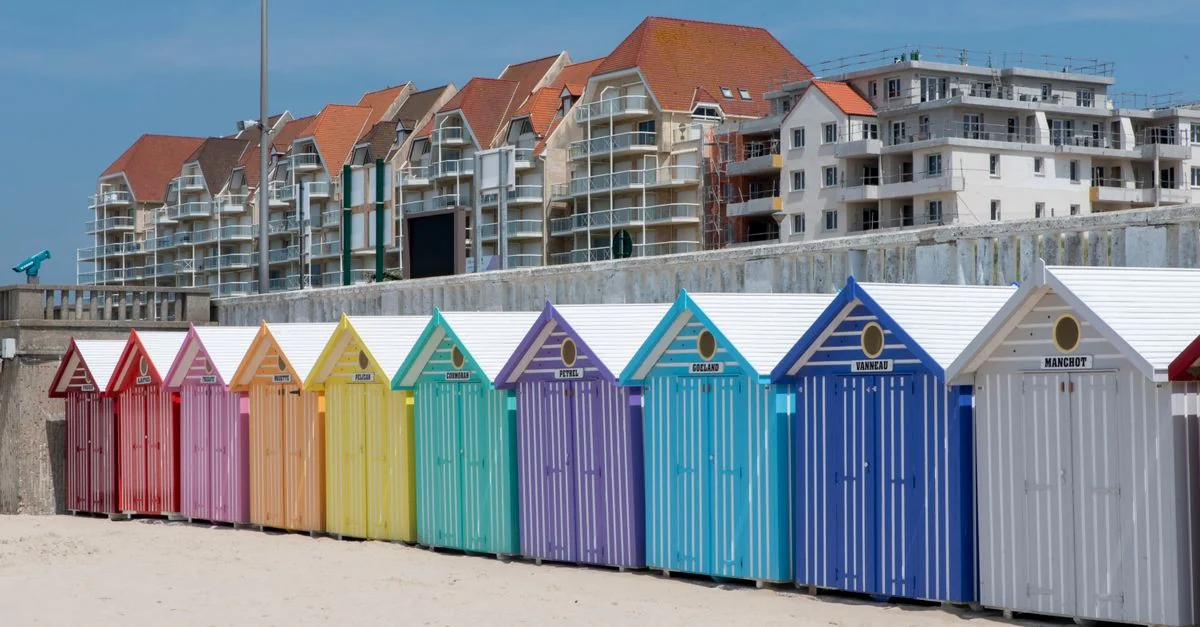
The sight of the Ostend harbor receding into the distance as the vessel pulls away from the quay is one of my favorite maritime experiences. Watching the Belgian coastline flatten out while the North Sea opens up ahead provides a sense of scale that you simply cannot get from a tunnel or a cramped airplane seat. As the ferry gains speed, the salt spray begins to coat the railings, and the horizon becomes a sharp line separating the grey-blue water from the sky. It is a quiet, steady transition from the European mainland toward the white chalk cliffs of England. Taking the Ferry From Ostend to Dover # Traveling by sea between Ostend and Dover offers a distinct rhythm that defines the journey. While other methods of crossing the English Channel might be faster, they lack the physical sensation of movement that a ferry provides. On this route, you are looking at a transit time of 1h 35m. This duration is long enough to settle into a seat, grab a coffee, and watch the waves, yet short enough that the journey feels like a productive part of your day rather than a wasted block of time.
As the ferry pulls away from the pier, the skyline of the Norwegian capital recedes into the distance, framed by the green slopes of the surrounding hills. Standing on the outer deck, the salty air hits immediately, carrying the distinct scent of the North Sea as the ship turns its bow southward toward Denmark. For anyone planning travel between Norway and Denmark, choosing how to cross the water defines the entire trip. I have spent years tracking maritime routes across Europe, and this specific crossing offers a straightforward, affordable connection between Scandinavia’s capitals and the northern tip of Denmark.
Salt spray hangs in the morning air as the ferry edges away from the Sardinian dock at Olbia, churning the blue water into a white wake that stretches back toward the granite hills. This is where real travel begins, far from the sterile terminal of an airport. Watching the coastline of Sardinia shrink into the distance while the open Tyrrhenian Sea stretches out ahead offers a perspective you simply cannot get from a window 30,000 feet in the air. For anyone planning a journey across the water, choosing how to travel between Sardinia and the Italian mainland comes down to a choice between speed and the actual experience of moving across the earth.