📌 Disclaimer
Prices, schedules, tour details, flight routes, visa requirements, and all other information on this page are based on data at the time of writing. Fares, availability, and policies may change. Please verify current details on the official website before booking.
Taking the Ferry From Ljubljana to Rovinj
When mapping out a transit from the Slovenian capital down to the Istrian coast, choosing the sea route changes the entire character of your trip. Instead of watching concrete sound barriers blur past a bus window, you trade highway asphalt for maritime horizons.
The crossing takes 55 min. That is under an hour to transition from inland Central Europe to the jagged, pine-fringed shores of the Istrian peninsula.
Practical Tip: For the best view of the coastline as you approach your destination, head to the outer starboard deck (the right side of the ship when facing forward) about ten minutes before docking.
Ferry vs Land Transport: Price and Time Comparison#
| Tour | Price | Discount | Book |
|---|---|---|---|
| Ferry | $10.75 | - | Book |
| Bus | $13.42 | - | Book |
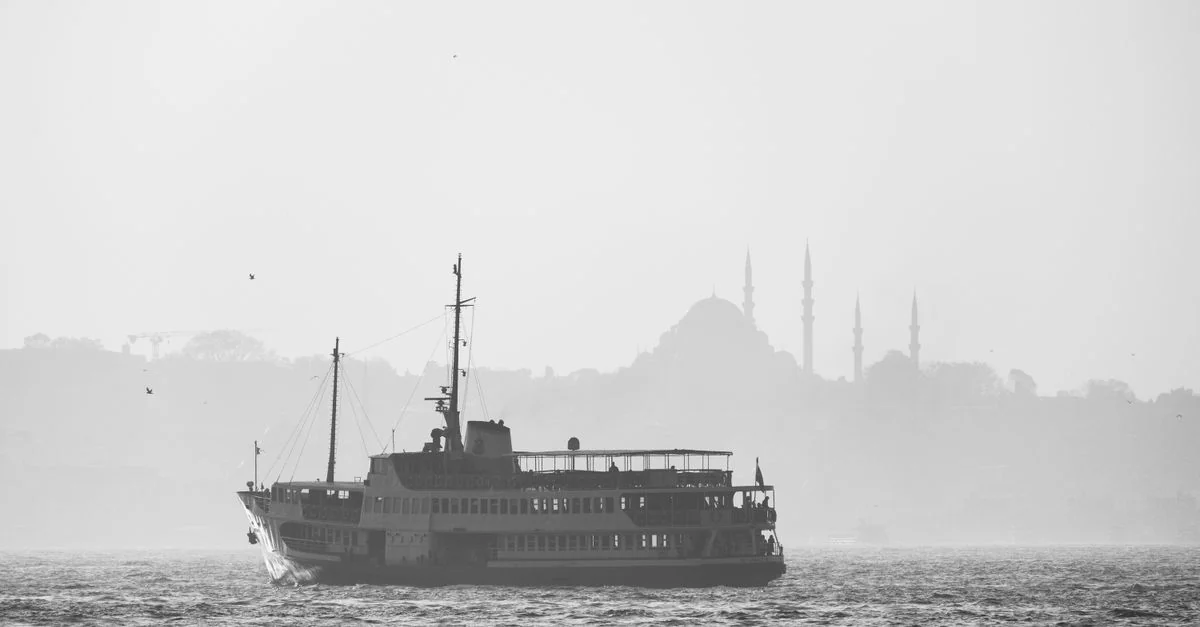
Travelers planning this specific corridor have two primary options based on the available data: the ferry or the bus.
Let us break down the numbers. The ferry costs $11 and takes 55 min. On the other hand, taking the bus costs $13 and requires 2h 45m.
Comparing these two options reveals a clear winner in almost every category. The ferry is not only faster—cutting your travel time down to under an hour compared to nearly three hours on land—but it is also cheaper at 10.75 British pounds versus 13.42 for the bus. You save both time and money while getting a superior visual experience.
Practical Tip: If you are prone to motion sickness, take an over-the-counter preventative medication like meclizine at least 30 minutes before departure, as sitting inside the lower passenger cabin can occasionally amplify the roll of the vessel.
What to Expect on Board
Stepping inside the passenger cabin reveals a functional, no-frills environment designed to get you across the water efficiently. Because the duration is a swift 55 min, the onboard amenities focus on comfortable seating rather than luxury entertainment.
You will find rows of aircraft-style seating, large windows for watching the water, and small luggage racks near the entrance doors. Since the crossing is short, passengers generally stay seated or briefly step out onto the exterior viewing areas for photos. The atmosphere is quiet and utilitarian, filled mostly with commuters and savvy travelers who prefer the sea breeze to highway traffic.
Practical Tip: Keep your luggage with you or place it securely in the designated racks near your seat; for short 55 min hops like this, checked baggage systems are not used, so you are responsible for carrying your own bags on and off the ship.
How to Book and Get the Best Ferry Prices
Securing your passage on this maritime route is straightforward, as a booking link available status means you can lock in your travel plans online ahead of time.
Because capacity on regional vessels can tighten during peak summer weeks, reserving your ticket digitally before arriving at the port is standard operating procedure. When you purchase online, you will receive a digital ticket or a confirmation code to scan at the gate.
Practical Tip: Arrive at the ferry terminal at least 45 minutes before departure to clear security checks and queue up for boarding without feeling rushed.
Practical Tips for This Ferry Route
Mastering the details of any crossing comes down to preparation. Because this route relies on a specific timetable, keeping your schedule flexible prevents missed connections.
Vehicle transport details were not provided in the dataset for this specific crossing, so you should assume this is a passenger-only service. Pack lightly enough to manage your own bags across the gangplank, and keep a light windbreaker handy—even on warm days, the wind out on the open water can feel surprisingly brisk once the vessel gets up to speed.
Practical Tip: When booking your transport, double-check that your vehicle requirements align with the vessel type, and if you are driving to the port, leave extra time to find municipal parking near the terminal since long-term maritime lots can fill up early in the morning.
In summary, when weighing your transit options from Ljubljana to Rovinj, the choice is straightforward. For 10.75 British pounds and a swift 55 min on the water, the ferry outperforms the slower, more expensive 13.42 bus by every measurable standard. Skip the highway and take to the sea.
📌 Disclaimer
Prices, schedules, tour details, flight routes, visa requirements, and all other information on this page are based on data at the time of writing. Fares, availability, and policies may change. Please verify current details on the official website before booking.
