The Port of Ios is a picturesque spot with its whitewashed buildings and the Aegean Sea stretching out before you. The ferry to Santorini is a direct route, offering a scenic journey through the Cycladic islands. As you step onto the ferry, you’re greeted by the sight of the island of Santorini rising above the horizon, its iconic white and blue buildings a beacon of hope. Taking the Ferry From Port of Ios to Santorini # The ferry from Port of Ios to Santorini is a direct route, taking approximately 1 hour and 10 minutes. It’s a popular choice for travelers looking to avoid the hassle of multiple transfers and the time-consuming drive. The ferry offers a comfortable and convenient way to travel between these two stunning islands.
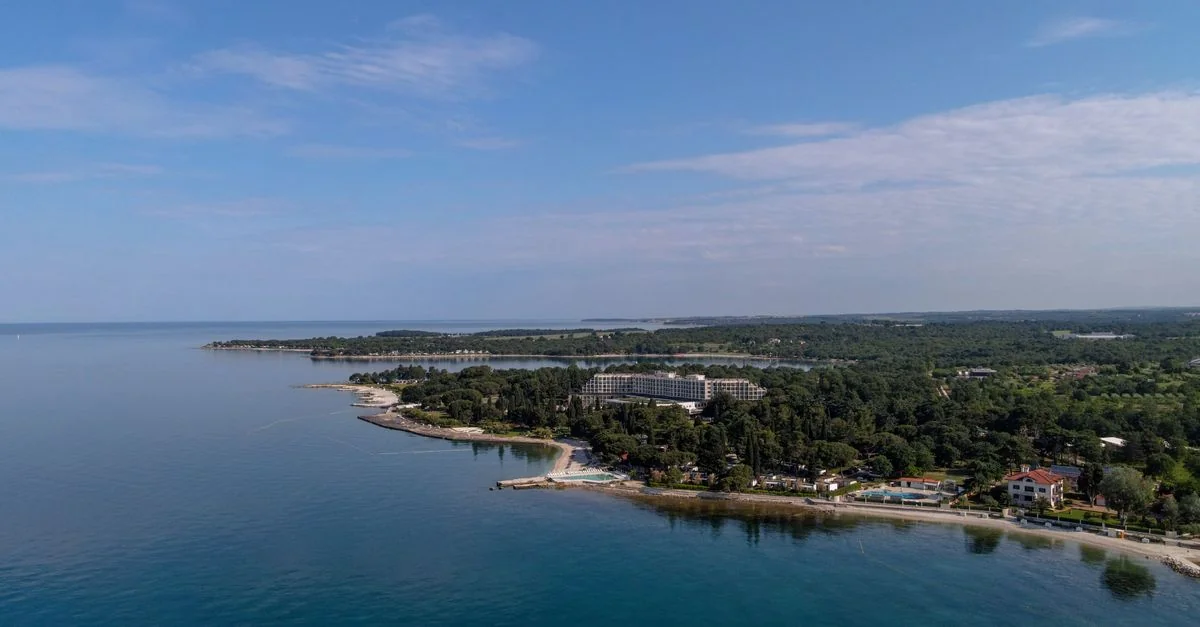
Salt spray hits the glass of the observation windows as the coastline of Istria slowly recedes, the bell towers and Venetian-style facades of Poreč shrinking into the distance as the vessel cuts a clean white wake across the northern Adriatic toward Italy. I have always preferred maritime routes over highway asphalt, and this particular voyage offers one of the most efficient and scenic transitions between countries in the region. Taking the Ferry From Poreč to Trieste # Choosing the maritime route across the Gulf of Trieste transforms a standard transit day into a coastal excursion. As the vessel pulls away from the Poreč terminal, passengers get an expansive view of the Poreč peninsula, highlighting the historic old town and the Euphrasian Basilica from the water—an angle entirely missed by those traveling overland.
Standing on the deck as the rugged cliffs of Ponza slowly recede into the distance, I am reminded why I prefer maritime travel over any other form of transit. The salty mist hits your face, the sound of the engine thrumming beneath your boots provides a steady rhythm, and the open Tyrrhenian Sea stretches out endlessly ahead. Leaving this volcanic island for the mainland capital is a journey best made on the water, where you can watch the dramatic island geography give way to the approaching coast. Taking the Ferry From Ponza to Rome # When planning your transit from island life back to the Eternal City, the maritime route is the primary method connecting these two points. For this specific crossing from Ponza to Rome, the journey takes 1h 15m.
Standing at the departure point, the salt air mixes with the scent of distant citrus groves as the Gulf of Naples stretches out toward the horizon. From the shoreline, Mount Vesuvius looms large in the rearview, framing a maritime corridor that has connected mainland Campania to the islands for centuries. Watching the vessel nose into the dock, engines rumbling a low, steady baseline against the harbor walls, I am reminded why I always choose the water over the road. Taking the Ferry From Pompei to Capri # When planning a sea crossing in this part of Italy, understanding the mechanics of the transit keeps things running smoothly. This specific route links Pompei directly to Capri, cutting across the open water rather than forcing a lengthy detour through Naples or Sorrento.
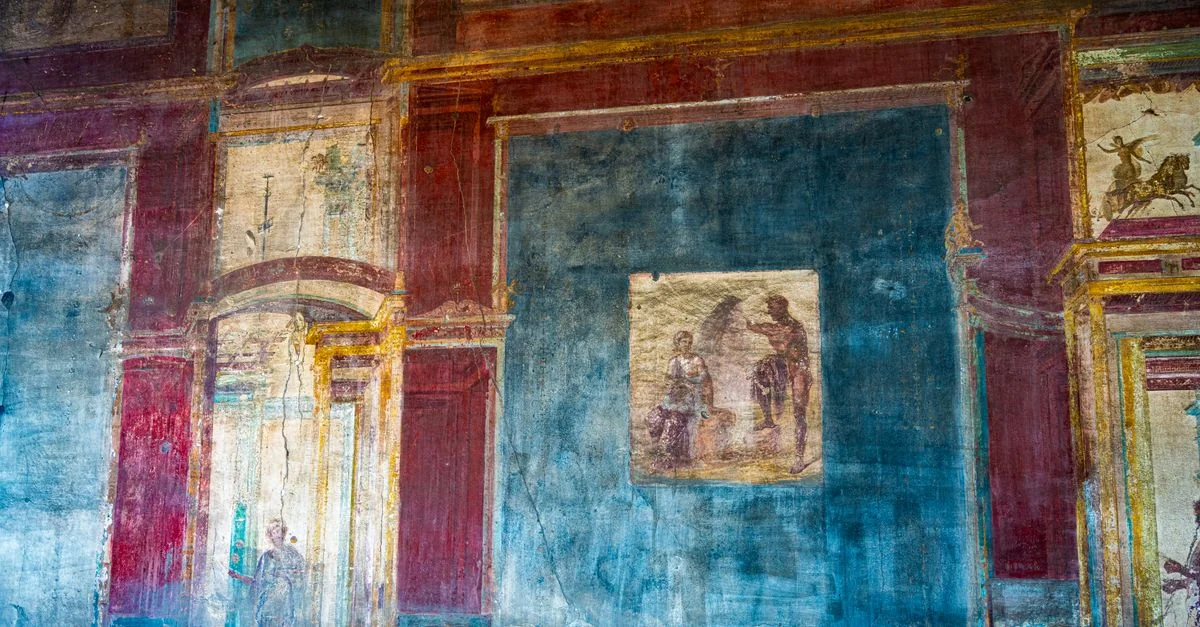
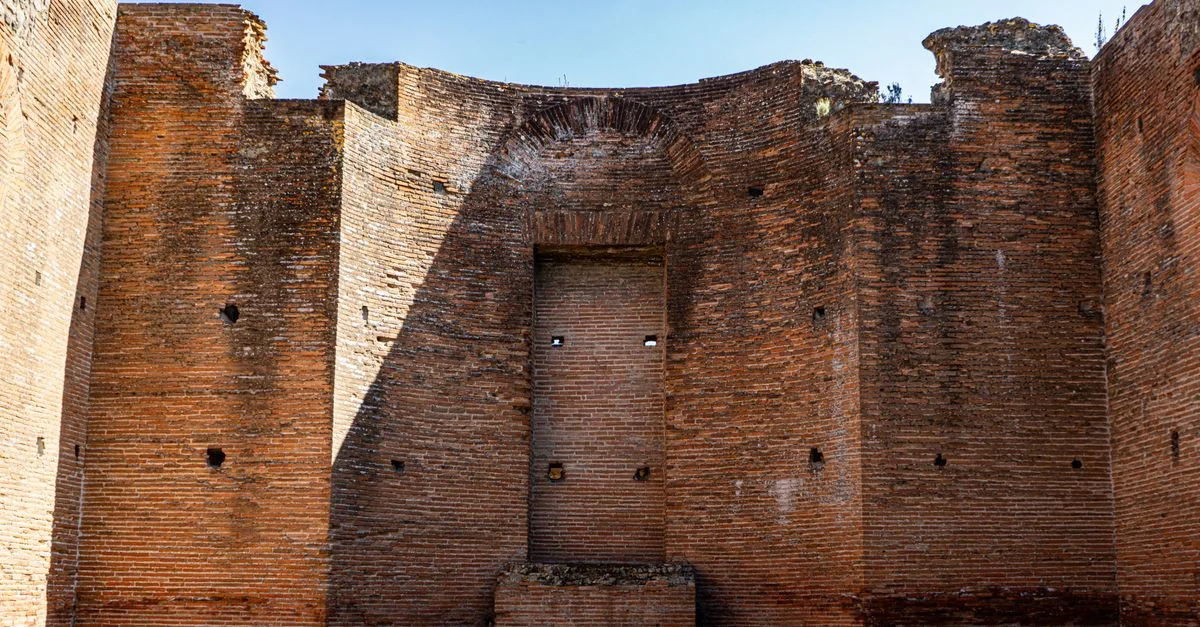
Standing near the ancient stones of the archaeological site, the urge to trade volcanic ash for salt air usually hits fast. When I plan a coastal escape in this part of Campania, I always check the maritime schedules first. Leaving the railway chaos behind for the open water changes the entire rhythm of the journey. Instead of clutching handrails on a crowded bus winding around hairpin turns, you get to watch the Sorrentine Peninsula rise straight out of the blue Mediterranean. Taking the Ferry From Pompei to Amalfi # When you compare your options for this specific southern Italian leg, the water route always wins my vote. The crossing takes just 50 min. While I don’t have official data for local buses or trains on this exact pairing—and I refuse to guess—anyone who has driven the Amalfi Drive in peak season knows the parking nightmare that awaits at the other end. Choosing the ferry keeps your blood pressure low and your schedule predictable.

As the ferry pulls away from the small harbor of Pomena on the island of Mljet, the view is dominated by the dense, dark green pine forests that define this national park. The water transitions from the shallow, sheltered greens of the bay to the deep, navy blue of the open Adriatic. Watching the coastline of Mljet recede while the horizon begins to hint at the distant, fortified walls of Dubrovnik is the highlight of this transit. There is a specific rhythm to leaving a quiet island for a major historical port, and the sea provides the only transition that feels appropriate for the scale of the journey. Taking the Ferry From Pomena to Dubrovnik # The ferry journey from Pomena to Dubrovnik is a straightforward maritime connection that spans 1h 5m. For those traveling between these two points, the boat offers a direct line that bypasses the complexities of land-based logistics. While some travelers might consider private charters or slower, indirect coastal vessels, the scheduled ferry remains the most reliable method for this specific route.
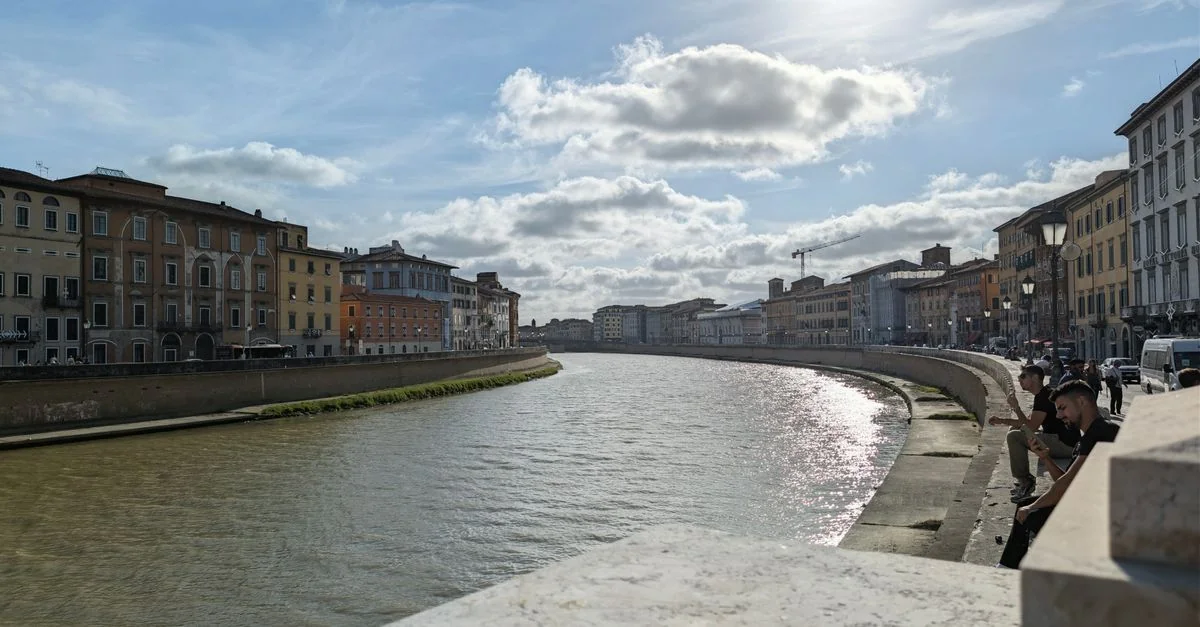
Standing on the outer deck as the coastline recedes, I watch the Tyrrhenian Sea stretch out endlessly ahead. There is a distinct rhythm to traveling by water that air terminals simply cannot replicate, turning the journey itself into a core memory of the trip. Taking the Ferry From Pisa to Sardinia # When it comes to the crossing from Pisa to Sardinia, the numbers speak for themselves. The ferry takes 7h 0m and costs $15.
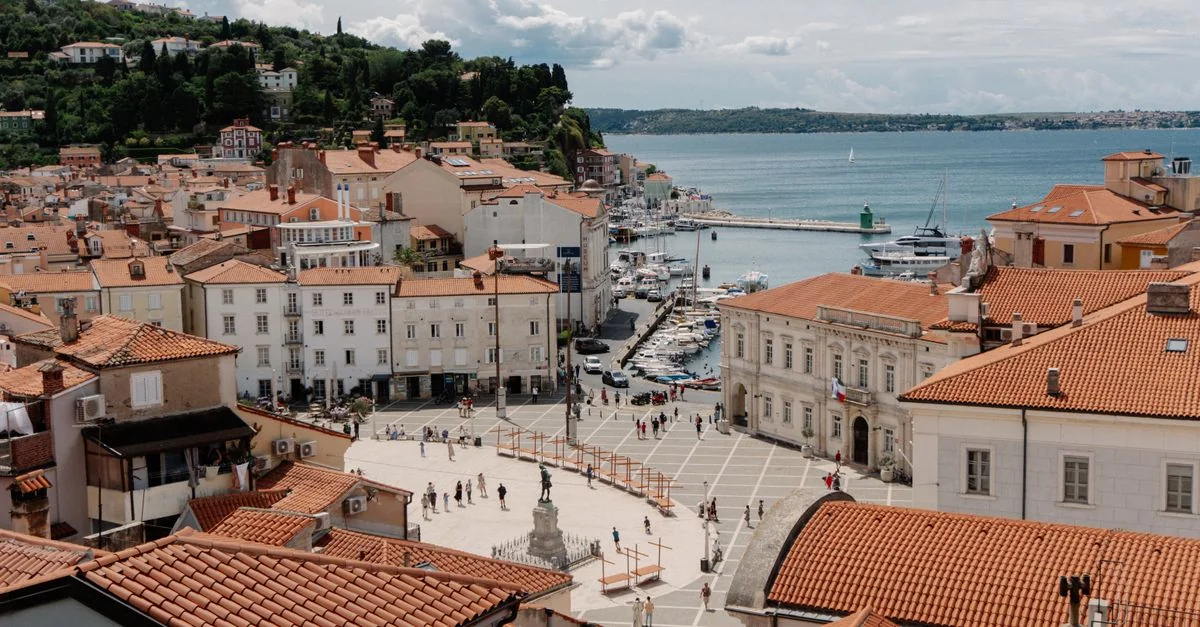
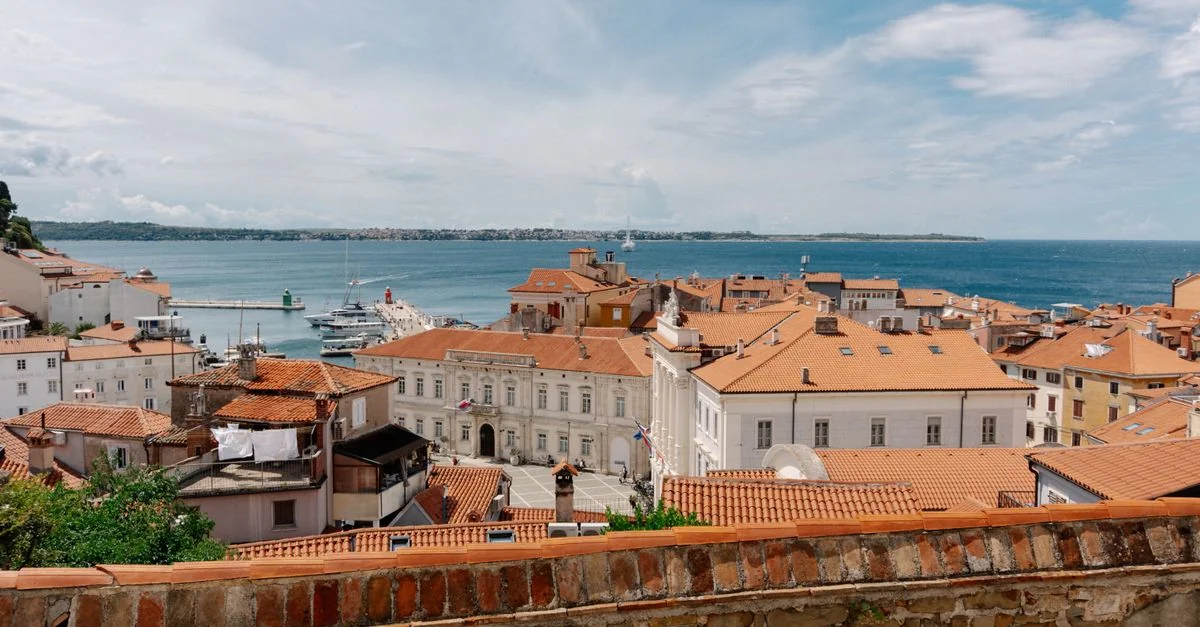
The limestone cliffs of the Slovenian coast slowly fade into the distance as the vessel pulls away from the old salt-pans and Gothic architecture of Piran, leaving a white wake across the Gulf of Trieste. Looking back from the open deck, the slender bell tower of St. George’s Parish Church shrinks against the blue expanse of the Adriatic, setting the stage for a quick maritime transit to Italy. As someone who tracks ferry schedules across the Mediterranean with obsessive precision, I always prefer water over asphalt when the geography allows. This particular northern Adriatic hop is one of my favorite short routes because it trades the monotony of highways for salt spray and maritime traffic.
Standing on the stone quays of Piran, salt spray hits the seawall as the ferry idles against the pier, its engines humming a low, steady baseline against the Adriatic tide. Pale Venetian Gothic bell towers rise behind the harbor, casting long shadows over the terracotta rooftops of Slovenia’s most picturesque coastal town. This is the starting point for a journey inland, and watching the coastline recede from the stern remains one of the finest ways to leave the salt air behind. Taking the Ferry From Piran to Ljubljana # Catching a maritime connection from the coast offers a specific kind of travel satisfaction. Instead of sitting in traffic on the highway, passengers step directly onto the water. The crossing takes 40 min, slicing across the blue expanse of the gulf before arriving at the connection point for the interior.
The sight of the Piraeus harbor at dawn is a chaotic symphony of steel and salt. Massive hulls tower over the quays, their ramps lowering like drawbridges into the churning water. As the engines hum, vibrating through the concrete beneath your feet, you watch the Athenian skyline recede, replaced by the deep, shifting blues of the Aegean Sea. There is a specific rhythm to leaving the mainland behind, a transition from the noise of the city to the steady, rhythmic pulse of the open water. Taking the Ferry From Piraeus to Paros # Choosing the ferry for the journey to Paros is an intentional decision to prioritize the experience of the transit over mere speed. The crossing takes 3h 35m. While this is significantly longer than an air transit, the ferry offers a perspective of the Cyclades that you simply cannot replicate from a pressurized cabin.