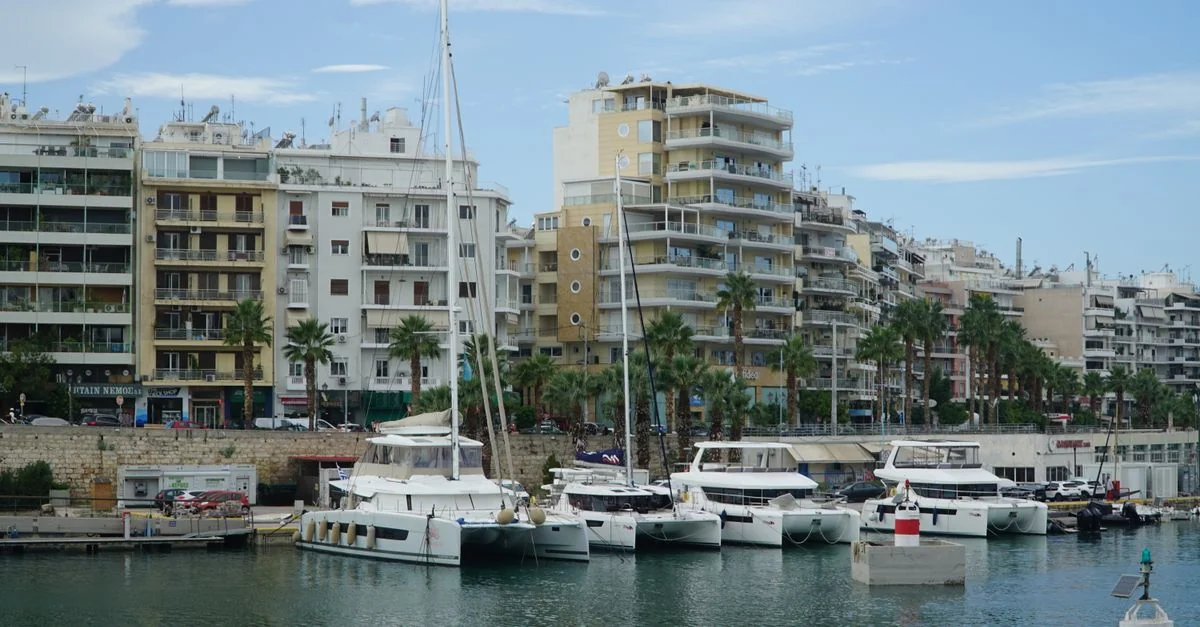
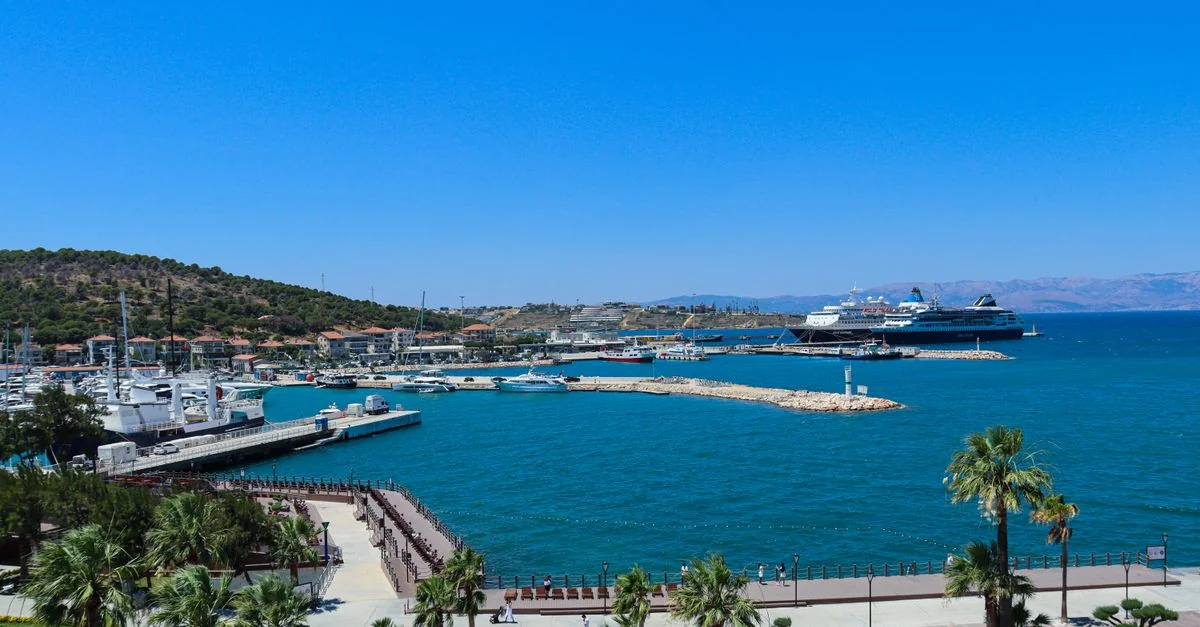
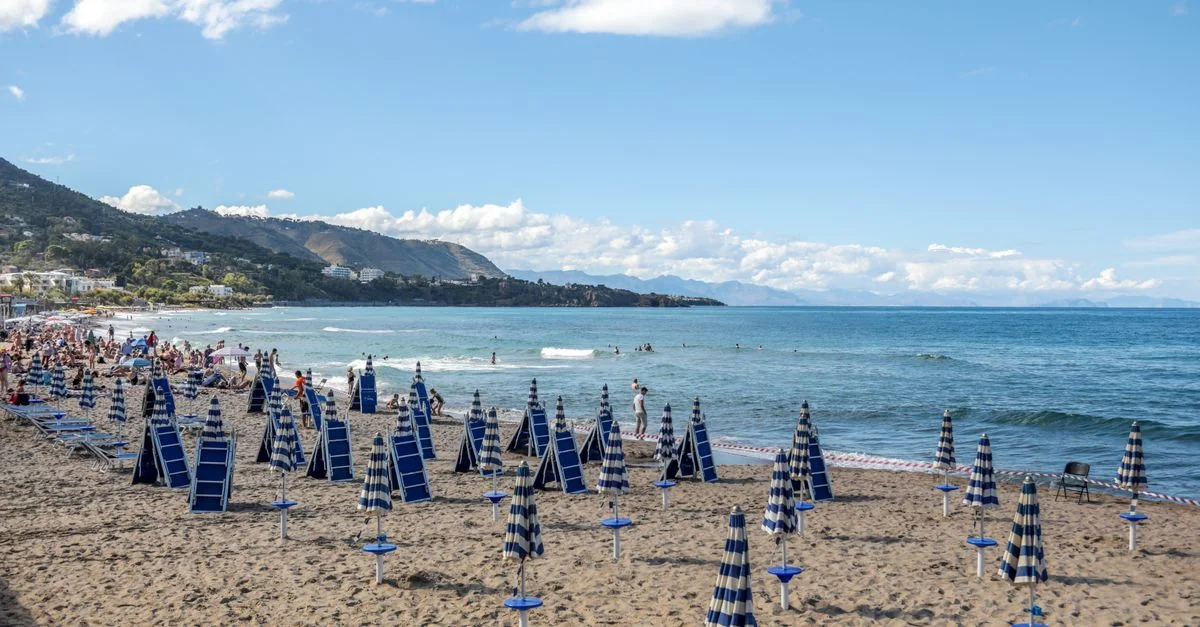
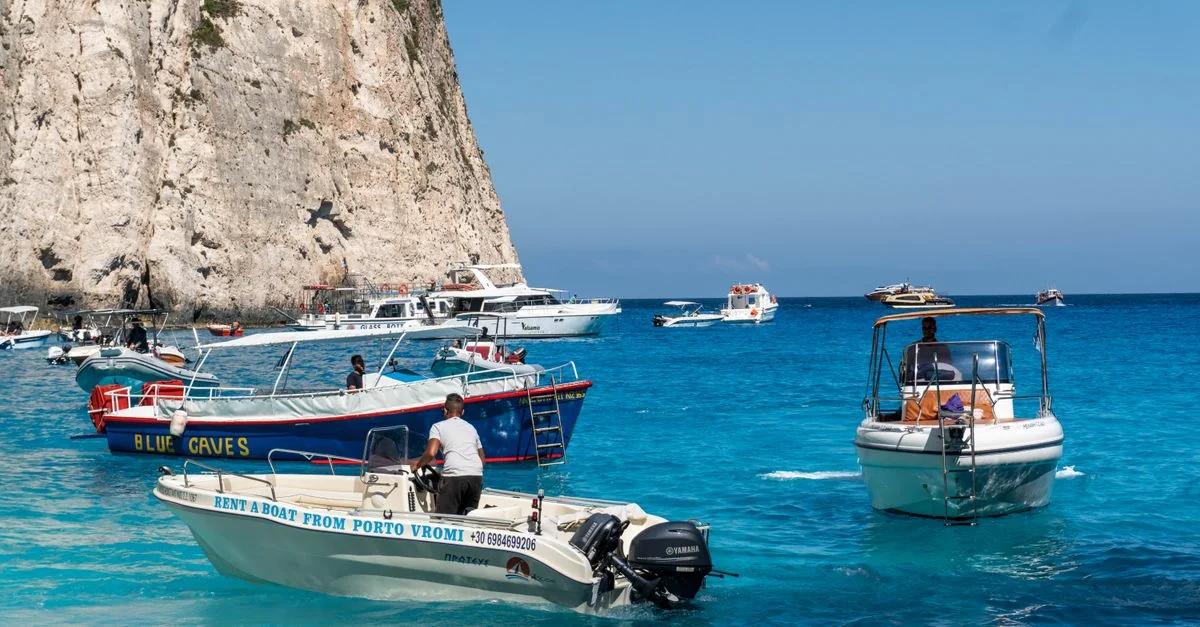
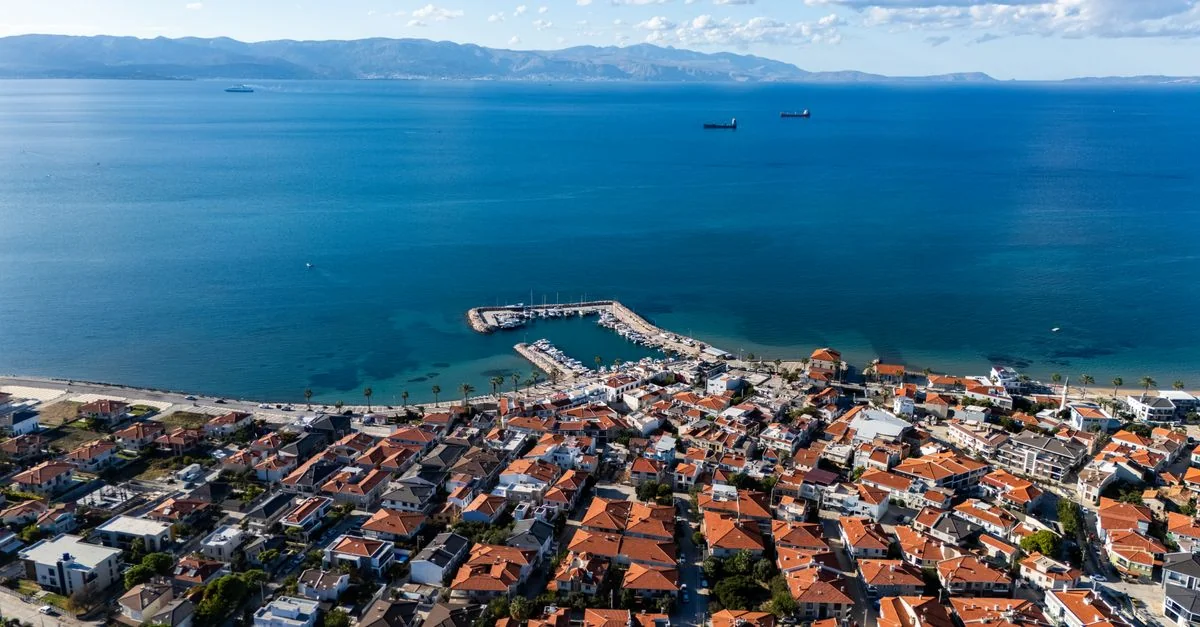
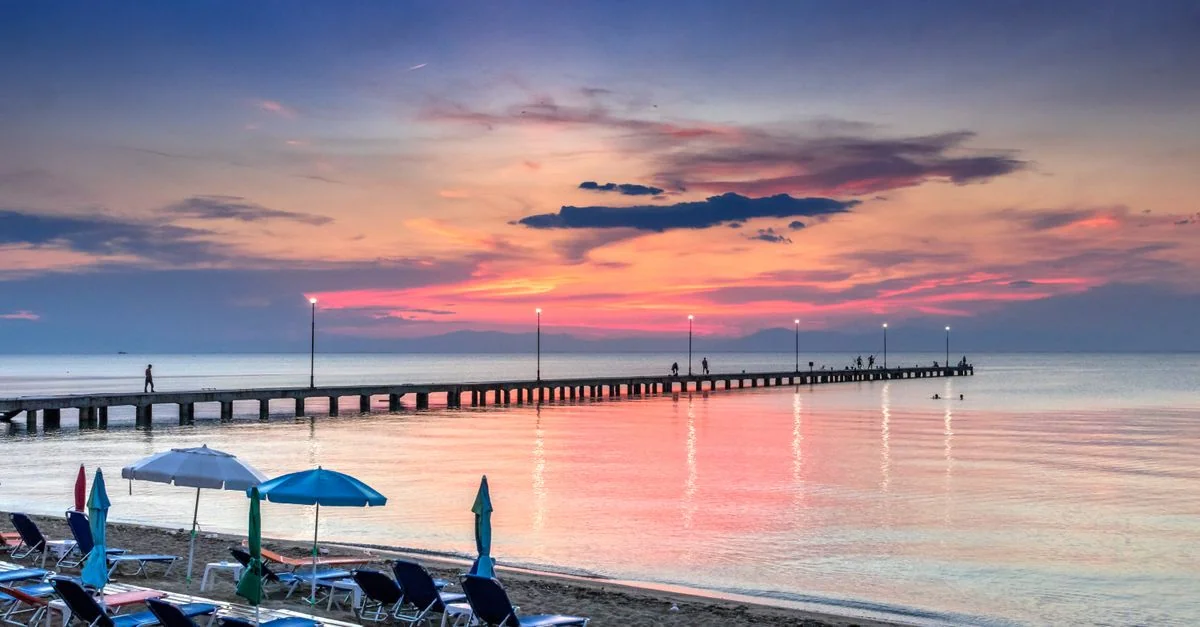
Standing on the outer deck at Gate E6 or E7 in Piraeus, the Aegean air smells of diesel, salt water, and warm sesame bread from the dockside kiosks. As the massive stern ramps lift and the ship pulls away from the concrete breakwater, the chaotic Athens skyline fades into the blue haze of the Saronic Gulf. For me, the journey across these ancient waters remains the only proper way to reach the Cyclades. Taking the Ferry From Piraeus to Naxos # When the sea calls, I always choose the slow route over the rigid metal tube of an airplane. The maritime highway from the mainland to Naxos covers open water dotted with distant islands, turning a simple transit into a full day on the water.
The salt spray hits the railing as the massive car deck doors seal shut, and the Piraeus port skyline slowly recedes behind a wake of churned-up white foam. Standing on the outer deck, watching the container cranes and docked tankers shrink against the Attic sun, remains one of my favorite rituals in the Mediterranean. Leaving mainland Greece by sea allows you to watch the concrete sprawl of Athens give way to the deep blue of the Aegean, shifting the entire rhythm of your journey before you even reach the open water. Taking the Ferry From Piraeus to Mykonos # Choosing the sea route over other forms of transit changes the nature of the trip entirely. When you take the ferry from Piraeus to Mykonos, the transit itself becomes part of the holiday rather than just a hurdle to cross. The journey takes 3h 45m, slicing through the Cyclades past islands like Kea, Kythnos, and Syros.
As I stand on the busy docks of Piraeus watching the massive blue-and-white hulls maneuver against the concrete quays, the scent of diesel and sea salt always hits me just right. The Saronic Gulf stretches out before us, dotted with distant cargo ships and smaller fishing boats, all cutting through choppy blue water under a hot Greek sun. Leaving the mainland behind always feels like a proper exhale, and my preferred way to reach the car-free island of Hydra is straight off these very piers. Taking the Ferry From Piraeus to Hydra # When you travel between Piraeus and Hydra, the vessel type matters for your schedule and your wallet. The journey takes 1h 10m on the designated ferry.

The view from the Piombino departure terminal is one of anticipation. As you stand on the quay, the industrial silhouette of the port gives way to the deep blue expanse of the Tyrrhenian Sea. In the distance, the rugged, green-sloped profile of Elba begins to sharpen against the horizon. Watching the ferry maneuver into its berth, its bow doors yawning open to release vehicles and passengers, is the quintessential start to an island crossing. The salt air hits you before you even step onto the gangway, signaling the transition from the mainland to the quiet rhythms of Portoferraio. Taking the Ferry From Piombino to Portoferraio # The crossing between Piombino and Portoferraio is the primary artery for reaching the island of Elba. It is a short, efficient transit that covers the stretch of water separating the Tuscan coast from the archipelago. The duration of the crossing is 45 min. Because the journey is brief, it feels less like a long-haul transit and more like a quick bridge between two distinct worlds.
The first thing that hits you as you step onto the dock at Piombino is the salty breeze that carries the faint scent of seaweed and diesel. The harbor is a modest stretch of concrete and stone, with a line of modest ferries bobbing gently against the tide. From the railing, you can see the Tuscan coastline receding, the low hills turning into a thin line of green, and the open water that will soon become the backdrop for a short but memorable crossing to the island of Elba. Taking the Ferry From Piombino to Elba # The Piombino‑Elba route is a straightforward hop across the Tyrrhenian Sea. The ferry departs from the main terminal in Piombino and makes a single, direct run to the port of Portoferraio on Elba. The scheduled sailing time is 45 minutes, and the ticket price is $19 for a standard passenger seat.
The mainland drops away behind the churning white wake as the vessel pulls away from the Tuscan coast, framing the distant, rugged silhouette of Cap Corse across the Ligurian Sea. Standing on the exterior decks as Piombino fades into the haze, the salt spray hits the face while the engine thrums a steady, reassuring rhythm beneath the boots. This is the prologue to Corsica, where the air shifts from the rich pine and earth of the Italian mainland to the wild, macchia-scented breeze of the Isle of Beauty. For anyone watching the container cranes of the port shrink into the distance, taking a ship across this stretch of water beats any flight hands down. Taking the Ferry From Piombino to Bastia # When it comes to getting across the water from Tuscany to Corsica, the maritime route stands as the most straightforward and sensible choice available in the provided data. The crossing takes 3h 0m from port to port.
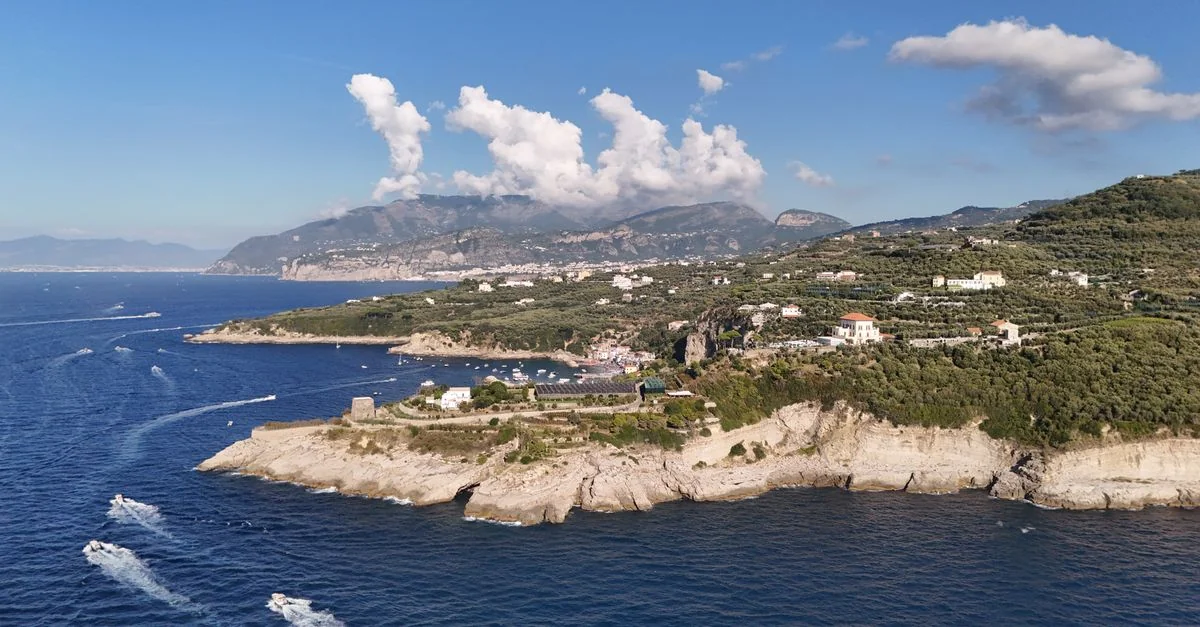
Standing at the edge of the port, watching the water slap against the stone pier, I always feel that distinct thrill that only a sea crossing provides. As the vessel eases away from Piano di Sorrento, the jagged cliffs of the Sorrentine Peninsula slowly recede, their terraced lemon groves and pastel-colored houses stacking vertically into the Mediterranean sky. Within moments, the open expanse of the Gulf of Naples stretches out before you, with the iconic silhouette of Capri growing larger on the horizon. For anyone who prefers travel where the transit itself forms the best part of the itinerary, this short maritime link remains an absolute favorite of mine. Taking the Ferry From Piano di Sorrento to Capri # When it comes to crossing the water here, the ferry stands as the definitive champion among transport choices. Because we are dealing with a direct sea route over open water, traveling by vessel is not merely a practical way to get from point A to point B; it is the primary way to experience the geography of this dramatic coastline.
Standing on the quayside as the ferry maneuvers into position, the salty Ionian air mixes with the scent of diesel and pine. Watching the ramp lower against the concrete pier is always my favorite part of the journey. The light hits the water around the harbor in shades of deep indigo and turquoise, signaling the start of another slow-travel sea crossing. Taking the Ferry From Paxos to Kefalonia # When it comes to island hopping in Greece, traveling by sea is the only way to truly understand the geography of the Ionian archipelago. Moving between Paxos and Kefalonia gives you a proper maritime passage rather than a quick hop.
Standing on the busy docks of Patras, the salty Peloponnesian wind carries the low hum of heavy diesel engines warming up for departure. Ahead lies the Ionian Sea, a stretch of deep blue water separating the Greek mainland from the islands. As the vehicle ramp lifts and the lines are cast off, the mainland slowly recedes, replaced by the open horizon toward Zakynthos. For anyone who prefers slow travel over cramped airports, this maritime route remains one of my absolute favorite ways to cross the water. Taking the Ferry From Patras to Zakynthos # When it comes to crossing between Patras and Zakynthos, taking to the water is the only route supported by the data for this specific journey. The crossing takes 1h 15m.
Stepping onto the deck as the ferry pulls away from Patras, the noise of the Peloponnese traffic fades immediately, replaced by the deep hum of the engine and the wide-open salt air of the Ionian Sea. I always prefer this unhurried approach to island travel over any other method. Standing at the railing, you watch the coastline recede, the Peloponnesian mountains slowly shrinking behind you while the blue expanse opens up ahead. Taking the Ferry From Patras to Kefalonia # When planning a trip across the Ionian, taking the ship is the only sensible route for travelers who appreciate the journey as much as the destination. The crossing from Patras to Kefalonia takes 1h 30m.