📌 Disclaimer
Prices, schedules, tour details, flight routes, visa requirements, and all other information on this page are based on data at the time of writing. Fares, availability, and policies may change. Please verify current details on the official website before booking.
Taking the Ferry From Palma de Mallorca to Barcelona#
The ferry crossing between Palma de Mallorca and Barcelona is a staple of Mediterranean travel. It takes 5 hours and 30 minutes to complete the journey. While some travelers prioritize speed, I find that this duration is the perfect window to settle into a rhythm. You are not rushing through security queues or confined to a middle seat; you are moving across the water with the space to walk, eat, and watch the horizon.

The passage across the Balearic Sea is rarely monotonous. If you are lucky, you might spot dolphins playing in the wake of the ship, particularly during the first hour of the departure. As you approach the Catalan coast, the industrial skyline of Barcelona slowly emerges, a stark contrast to the island landscape you left behind.
Practical Tip: For the best panoramic views, head to the highest passenger deck as soon as you board. The top deck offers an unobstructed 360-degree perspective, which is ideal for photography as you exit the port of Palma and again when you approach the harbor in Barcelona.
Is Flying a Better Option?#
| Tour | Price | Discount | Book |
|---|---|---|---|
| Ferry | $12.14 | - | Book |
| Flight | $11.27 | - | Book |

When looking at the numbers, a flight from Palma de Mallorca to Barcelona takes 50 minutes and costs 11.27 GBP. In contrast, the ferry costs 12.14 GBP.
While the flight is significantly faster and slightly cheaper, it lacks the physical experience of the journey. A flight is merely a transit point, a way to get from A to B as quickly as possible. The ferry, however, turns the transit into a part of the travel experience. If you are on a strict schedule or simply need to reach the city center of Barcelona for a business meeting, the flight is the logical choice. However, if you have the time, the extra 4 hours and 40 minutes on the ferry provide a sense of decompression that a flight simply cannot offer.
Practical Tip: If you choose to fly to save time, remember that airport transit and security wait times often add two hours to your total travel duration, meaning the actual time difference between the two modes is less significant than the 50-minute flight time suggests.
What to Expect on Board#
Life on board a ferry is defined by the freedom to move. Unlike a train or a plane, you aren’t tethered to a seatbelt for the duration of the trip. The 5-hour and 30-minute crossing allows enough time for a proper meal in the ship’s cafeteria or a long read in one of the communal lounges.

The atmosphere on this route is generally relaxed. You will find a mix of locals returning home, travelers who prefer the sea to the air, and tourists who have packed their cars with gear for a longer stay in Spain . The interior decks are usually climate-controlled, but the outdoor decks are where the real experience happens. Even on a windy day, standing by the railing to feel the salt spray is a reminder that you are truly traversing the sea.
Practical Tip: If you are prone to seasickness, avoid staying in the windowless interior cabins. Instead, find a seat in the middle of the ship on a lower deck, where the motion of the vessel is felt the least. Keep your eyes on the horizon rather than a book or a screen to help your equilibrium.
How to Book and Get the Best Ferry Prices#
Booking for the Palma to Barcelona route is straightforward, and the option to reserve your spot online is available. Because the price is fixed at 12.14 GBP, you don’t have to worry about the complex dynamic pricing algorithms that plague airline tickets.

When you book, ensure you have your identification documents ready, as these are checked during the boarding process. If you are traveling with a vehicle, be sure to select the correct dimensions during the booking process, as this will change your boarding lane assignment.
Practical Tip: Always arrive at the port at least 60 to 90 minutes before the scheduled departure time. This is especially important if you are bringing a vehicle, as loading cars onto the lower decks is a precise operation that requires time to ensure the ship remains balanced and departs on schedule.
Practical Tips for This Ferry Route#
Navigating the port of Palma is relatively easy, but it is a large facility. If you are arriving by taxi or bus, make sure you know which terminal your specific ferry operator uses. Once you are on board, treat the journey as a break rather than a chore.
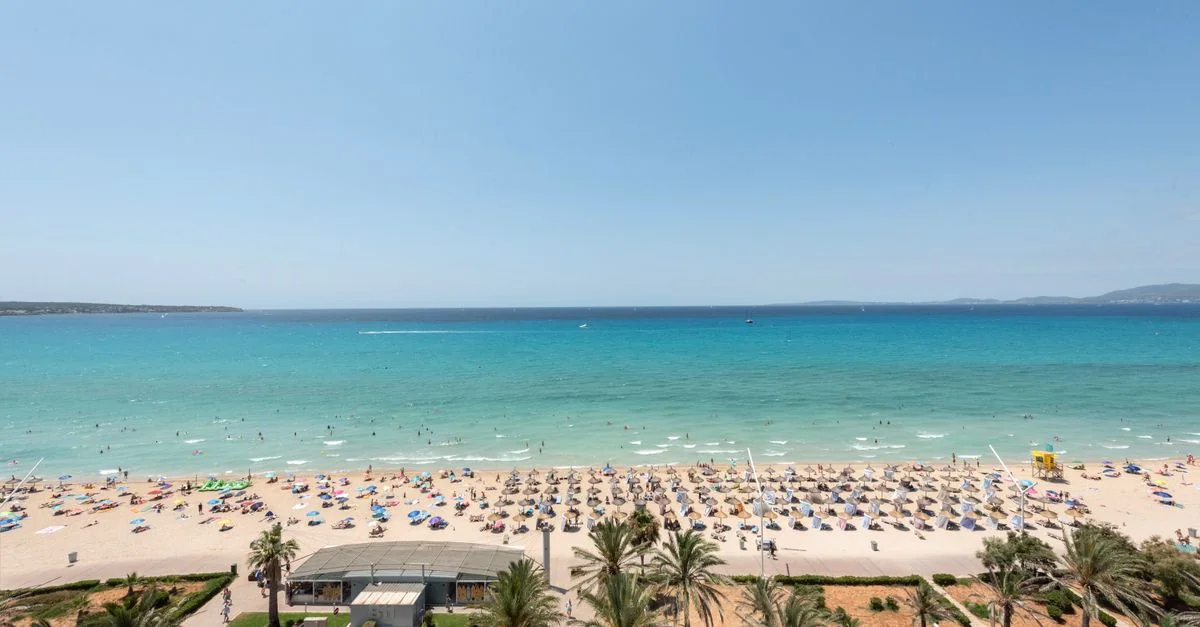
Luggage is much easier to manage on a ferry than on a plane. You don’t have to worry about strict weight limits or liquid restrictions in your carry-on. You can bring your own snacks and drinks, or utilize the onboard facilities. However, I always recommend bringing a light jacket, even in the summer; the wind on the open deck can be surprisingly chilly once the ship reaches cruising speed.
Practical Tip: When traveling with a vehicle, keep a small “go-bag” with your essentials—phone charger, snacks, and a light sweater—as you will not be allowed to return to the vehicle deck once the ship is underway. Everything you need for the 5-hour and 30-minute journey must be brought up to the passenger decks with you.
The ferry is the best choice when you want to arrive in Barcelona feeling refreshed rather than frazzled. If you enjoy the slow transition of landscapes and the ability to walk freely while you travel, the 12.14 GBP fare is a small price to pay for the peace of mind that comes with a sea crossing. It is a reliable, steady, and thoroughly enjoyable way to bridge the gap between the Balearic Islands and the mainland.
📌 Disclaimer
Prices, schedules, tour details, flight routes, visa requirements, and all other information on this page are based on data at the time of writing. Fares, availability, and policies may change. Please verify current details on the official website before booking.
