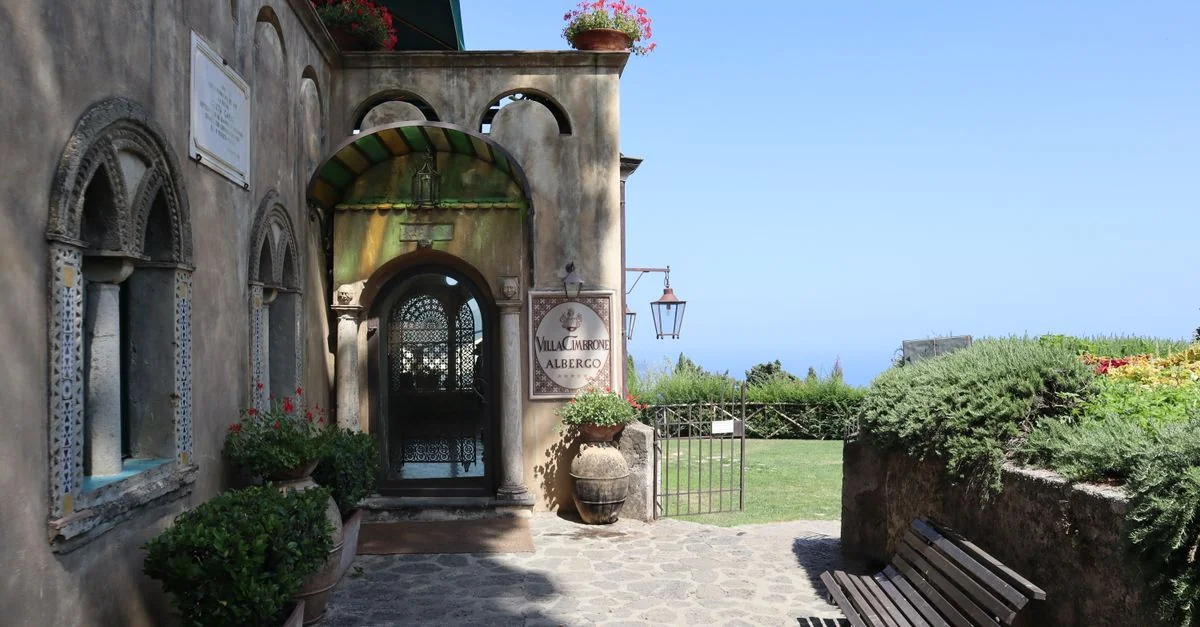
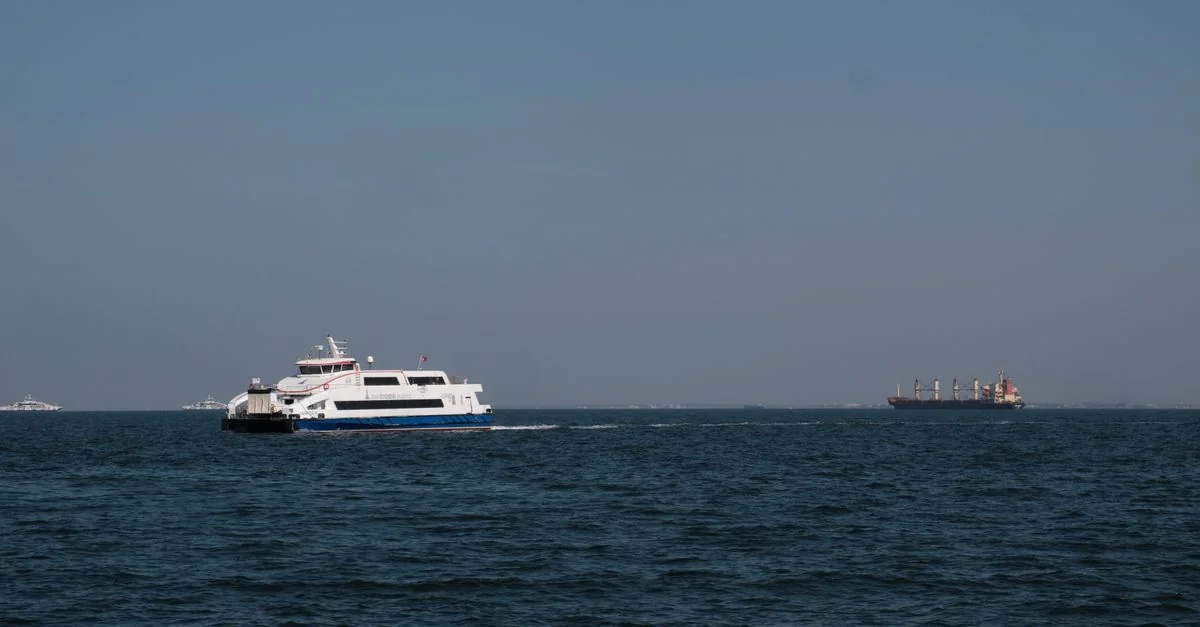
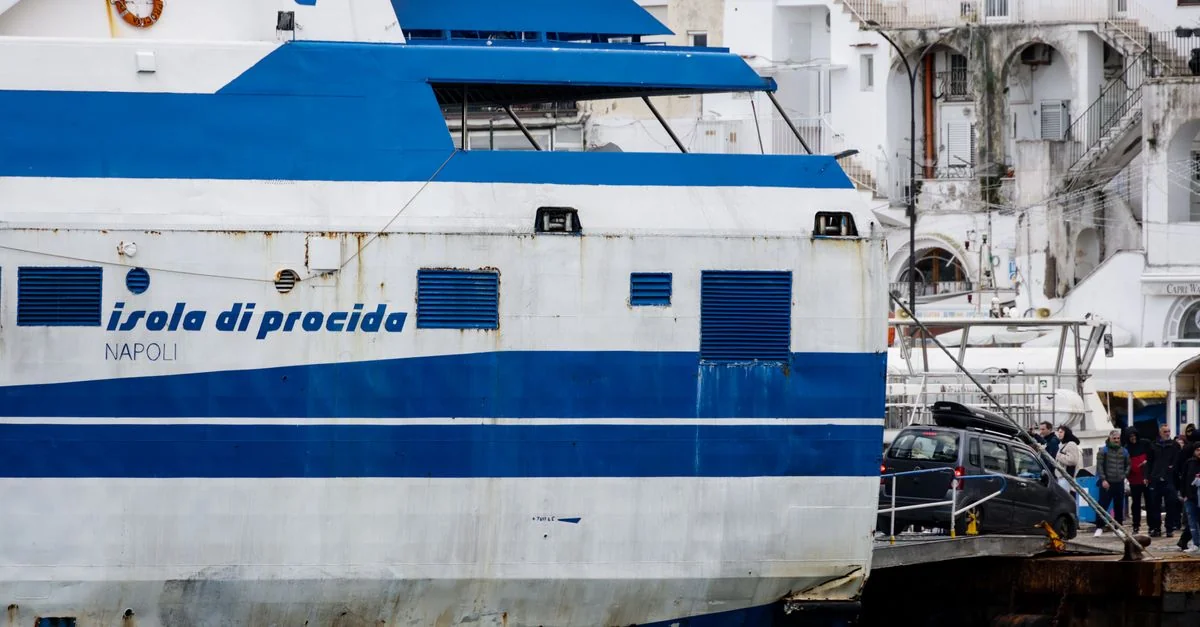
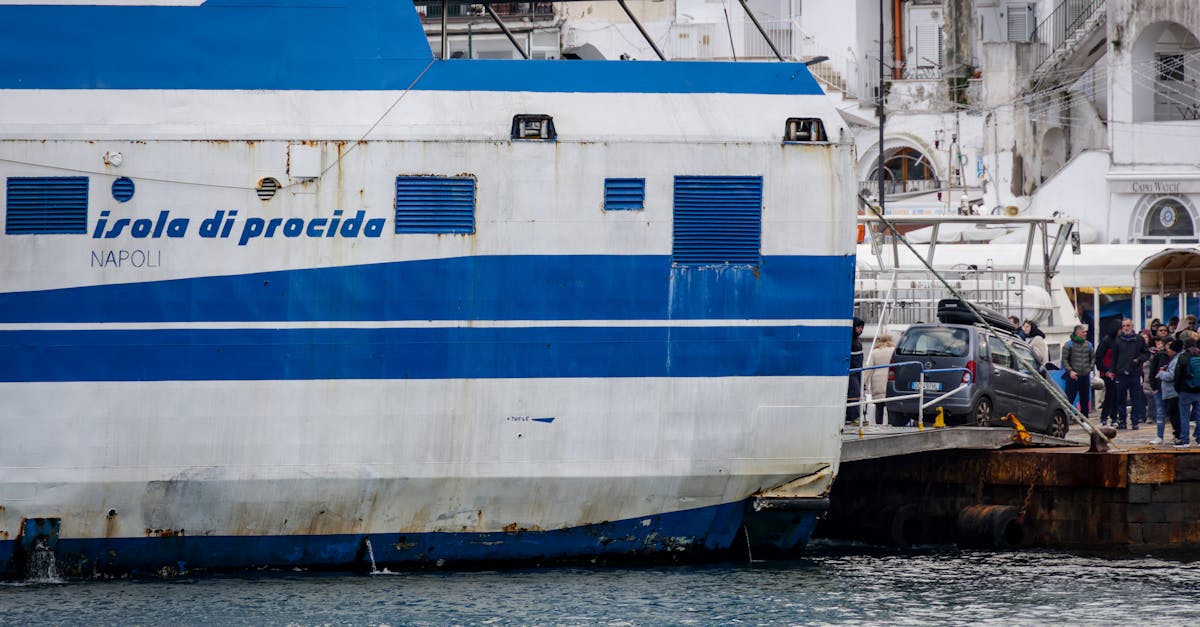
The ferry from Ravello to Capri is a scenic journey that offers a glimpse into the stunning Amalfi Coast. As I stand on the deck, the rugged cliffs of Ravello come into view, their terraced vineyards and colorful houses a stark contrast to the deep blue of the Tyrrhenian Sea. The ferry is a reliable and efficient way to travel between these two beautiful islands, but it’s not the only option. Let’s explore the ferry route and compare it with other available modes of transportation. Taking the Ferry From Ravello to Capri # The ferry from Ravello to Capri is operated by a reputable company and offers a comfortable and efficient way to travel between the two destinations. The journey takes approximately one hour, and the ferry departs from the port of Ravello and arrives at the port of Capri. The ferry is equipped with modern amenities, including comfortable seating, air conditioning, and a bar serving refreshments.
Standing at the departure point, the salt air mixes with the scent of distant citrus groves as the Gulf of Naples stretches out toward the horizon. From the shoreline, Mount Vesuvius looms large in the rearview, framing a maritime corridor that has connected mainland Campania to the islands for centuries. Watching the vessel nose into the dock, engines rumbling a low, steady baseline against the harbor walls, I am reminded why I always choose the water over the road. Taking the Ferry From Pompei to Capri # When planning a sea crossing in this part of Italy , understanding the mechanics of the transit keeps things running smoothly. This specific route links Pompei directly to Capri , cutting across the open water rather than forcing a lengthy detour through Naples or Sorrento .
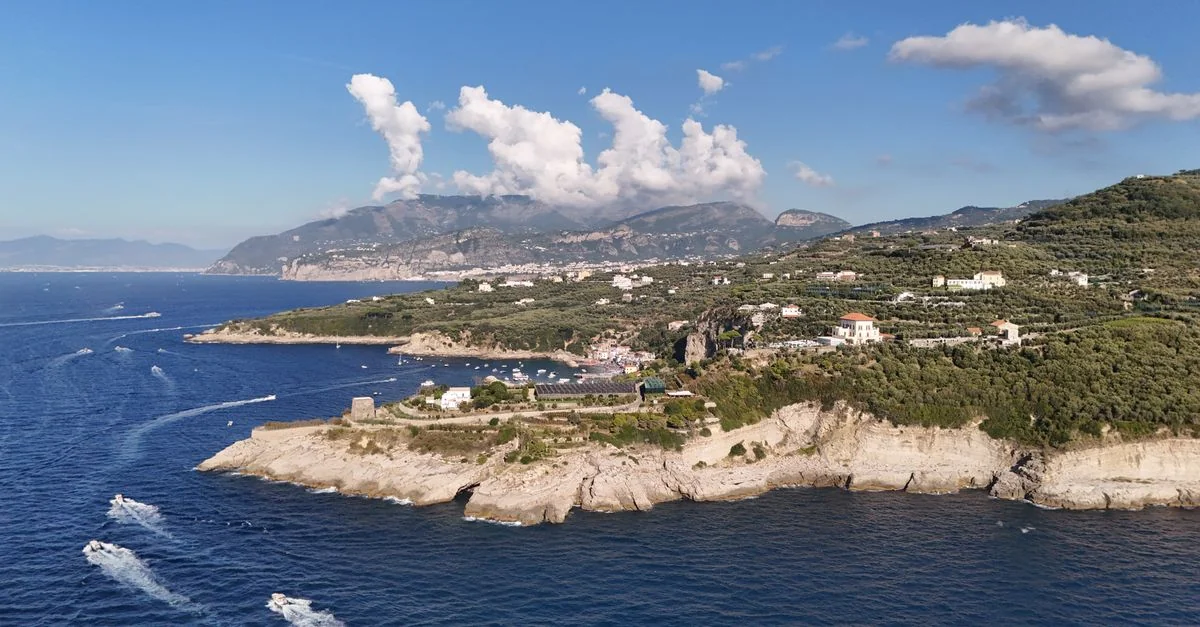
Standing at the edge of the port, watching the water slap against the stone pier, I always feel that distinct thrill that only a sea crossing provides. As the vessel eases away from Piano di Sorrento , the jagged cliffs of the Sorrentine Peninsula slowly recede, their terraced lemon groves and pastel-colored houses stacking vertically into the Mediterranean sky. Within moments, the open expanse of the Gulf of Naples stretches out before you, with the iconic silhouette of Capri growing larger on the horizon. For anyone who prefers travel where the transit itself forms the best part of the itinerary, this short maritime link remains an absolute favorite of mine. Taking the Ferry From Piano di Sorrento to Capri # When it comes to crossing the water here, the ferry stands as the definitive champion among transport choices. Because we are dealing with a direct sea route over open water, traveling by vessel is not merely a practical way to get from point A to point B; it is the primary way to experience the geography of this dramatic coastline.
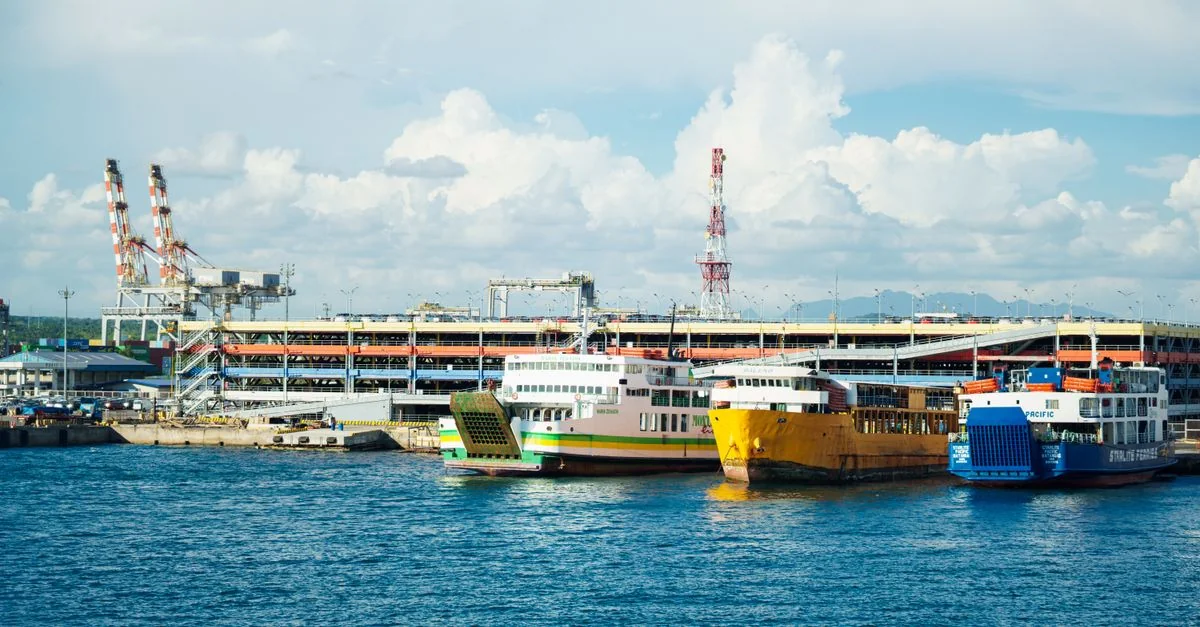
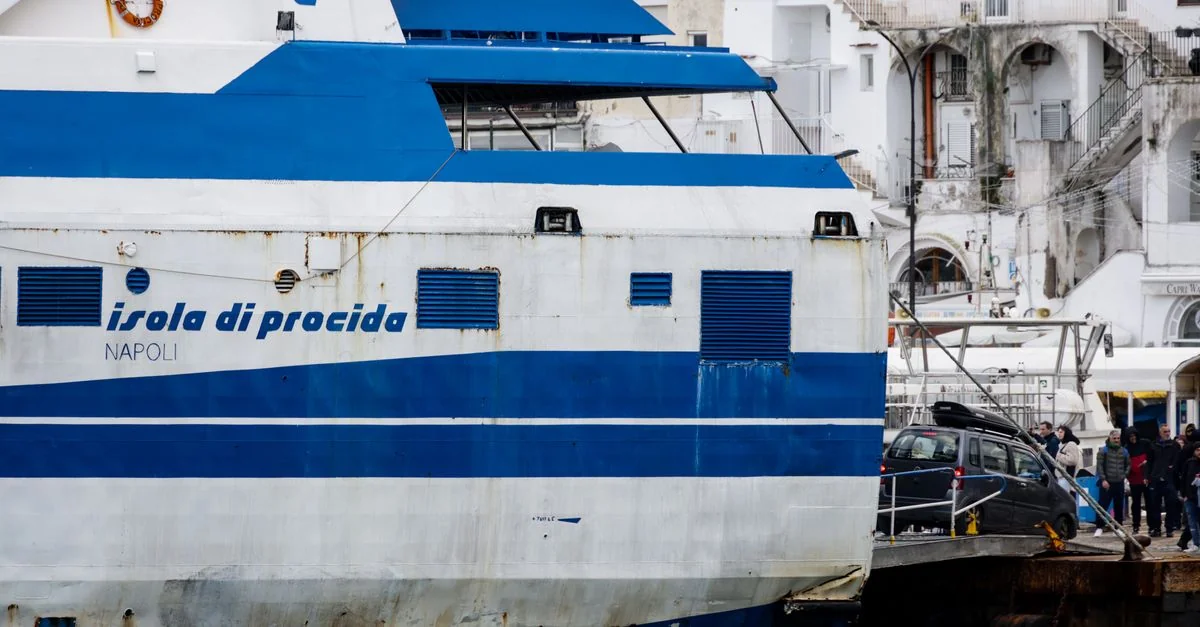
Standing at the maritime terminal with the distant hum of Napoli Centrale station behind me, the salty tang of the Tyrrhenian Sea hits the air before the water even comes into view. Ferries bob against the concrete quays, their hulls painted in crisp whites and deep blues, ready to slice across the Gulf of Naples toward those iconic jagged cliffs. For anyone arriving by train into the heart of Naples, transferring down to the port is a ritual I look forward to every single time I plan an island escape. Taking the Ferry From Napoli Centrale to Capri
The salt air hits you long before you reach the sea. Standing at the rail as the vessel pulls away from the Gulf of Naples , Mount Vesuvius looms large in the rearview mirror, its brooding silhouette framing the northern edge of the water. Ahead lies the dramatic profile of Capri , rising steeply from the Tyrrhenian Sea like a limestone fortress. There is a distinct rhythm to traveling this way—the low thrum of the engines, the white spray kicked up by the bow, and the gradual shift from the urban energy of the mainland to the sun-bleached cliffs of the island. As someone who measures the quality of a journey by the quality of its wake, I always choose the water route whenever the option exists. This guide covers everything you need to know about navigating the transit from Naples International Airport to Capri.
The morning light hits the pastel-colored houses of Minori as the ferry pulls into the small pier. Standing on the dock, you can see the boat approaching, cutting a clean white line through the blue water of the Tyrrhenian Sea. As the vessel slows, the scent of diesel mixes with the salt air, a familiar and grounding smell for anyone who spends as much time on the water as I do. Watching the crew secure the lines and lower the gangway, you realize that this is the most direct way to leave the Amalfi Coast behind and reach the rugged cliffs of Capri . Taking the Ferry From Minori to Capri
Salt spray on the windshield, the distant profile of limestone cliffs rising sharply from the Gulf of Naples , and the low rumble of diesel engines—this is the reality of maritime transit that road-bound travelers miss entirely. When heading across the water from the mainland to the islands, nothing beats standing on an outer deck as the coastline recedes. Taking the Ferry From Meta to Capri Opting for the maritime route between Meta and Capri offers a remarkably direct connection. The crossing takes a mere 10 min. That is exceptionally fast for a maritime link, dropping you onto the island almost as soon as you settle into your seat.
As my vessel pulled away from the slipway, the rugged limestone cliffs of the Sorrentine Peninsula slowly retreated, replaced by the sheer, dramatic rock faces of Capri rising sharply from the Tyrrhenian Sea. The salty spray caught the morning light, and the distant silhouette of the Faraglioni rocks beckoned ahead. For anyone who prefers salt air over cramped car seats, this brief maritime crossing remains the absolute finest way to approach the island. Taking the Ferry From Massa Lubrense to Capri
Standing on the seafront in Maiori, the limestone cliffs of the Amalfi Coast drop dramatically into the deep blue Tyrrhenian Sea, while pastel-colored buildings cascade down the slopes behind the port. Watching the ferry maneuver toward the concrete pier is the best part of the morning. There is a distinct rhythm to coastal arrivals here—crew members shouting instructions in Italian, thick mooring lines flying through the air, and the low rumble of diesel engines echoing off the cliffs. For anyone planning a trip from the Amalfi Coast to the islands, taking to the water remains the most practical and scenic way to travel. Taking the Ferry From Maiori to Capri
Photo by Magda Ehlers on Pexels As I stand on the deck of the ferry, the breathtaking view of Capri slowly fades into the distance, while the stunning cliffs of Amalfi come into focus. The sun glistens on the azure waters, and I can feel the gentle sway of the boat as it cuts through the waves. This is the magic of ferry travel in Italy , and the crossing from Capri to Amalfi is one of my favorites.