Crossing the Channel: A Guide to the Ostend to Dover Ferry
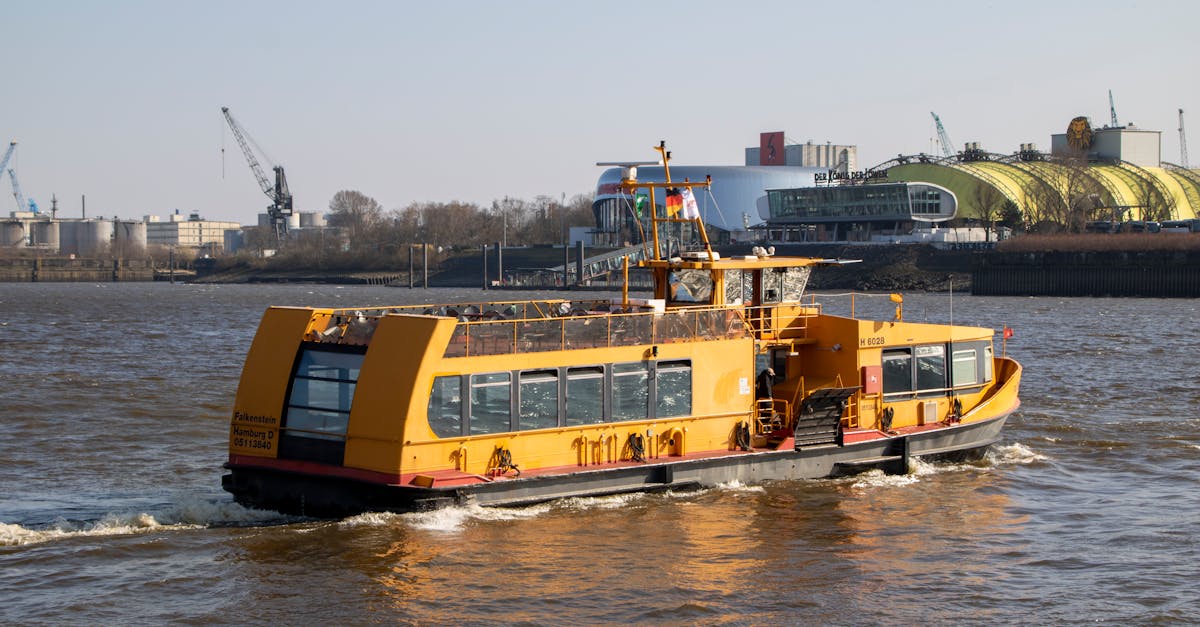
The sight of the Ostend harbor receding into the distance as the vessel pulls away from the quay is one of my favorite maritime experiences. Watching the Belgian coastline flatten out while the North Sea opens up ahead provides a sense of scale that you simply cannot get from a tunnel or a cramped airplane seat. As the ferry gains speed, the salt spray begins to coat the railings, and the horizon becomes a sharp line separating the grey-blue water from the sky. It is a quiet, steady transition from the European mainland toward the white chalk cliffs of England. Taking the Ferry From Ostend to Dover # Traveling by sea between Ostend and Dover offers a distinct rhythm that defines the journey. While other methods of crossing the English Channel might be faster, they lack the physical sensation of movement that a ferry provides. On this route, you are looking at a transit time of 1h 35m. This duration is long enough to settle into a seat, grab a coffee, and watch the waves, yet short enough that the journey feels like a productive part of your day rather than a wasted block of time.