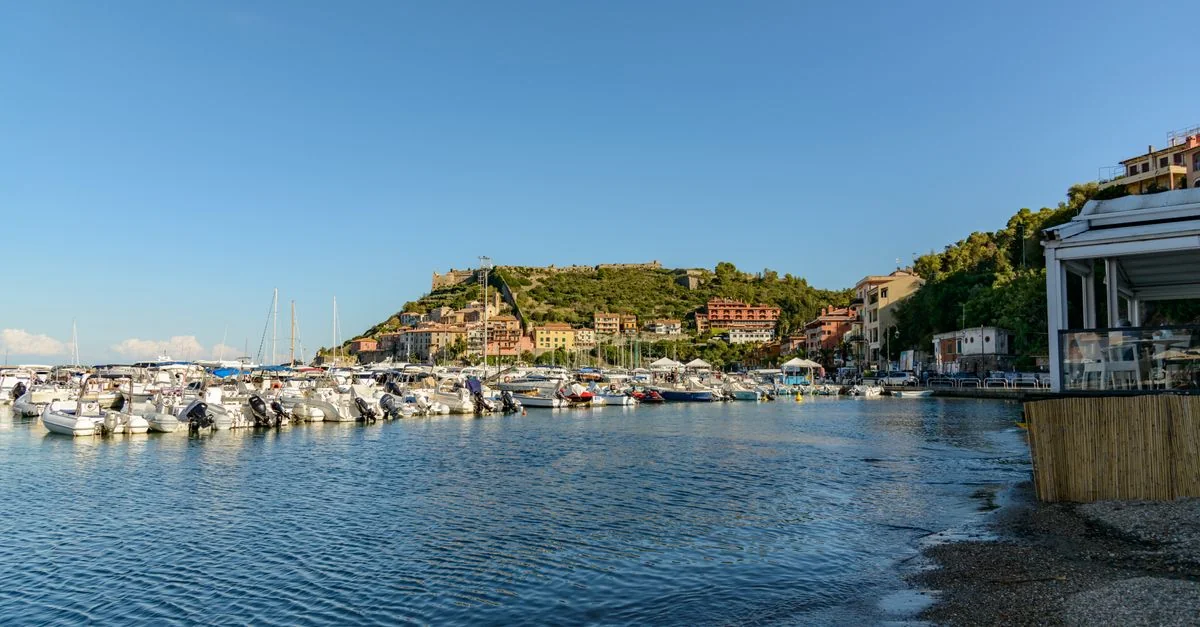
The ferry from Portoferraio to Piombino is a scenic journey that offers a glimpse into the heart of the Tuscan archipelago. As I stepped onto the ferry, the sun was setting, casting a golden hue over the water, and the island of Elba loomed large in the distance. The ferry terminal in Portoferraio is a small but busy port, with a mix of local boats and larger ferries plying the waters. The atmosphere is relaxed, with a few cafes and restaurants offering a taste of local cuisine. Taking the Ferry From Portoferraio to Piombino # The ferry from Portoferraio to Piombino is a popular route for those looking to explore the Tuscan archipelago. The journey takes approximately 45 minutes, and the fare is $10. This makes it a cost-effective option compared to driving or taking a bus, which can take longer and involve more expenses. The ferry operates regularly, so it’s easy to fit into a day trip or a longer vacation.
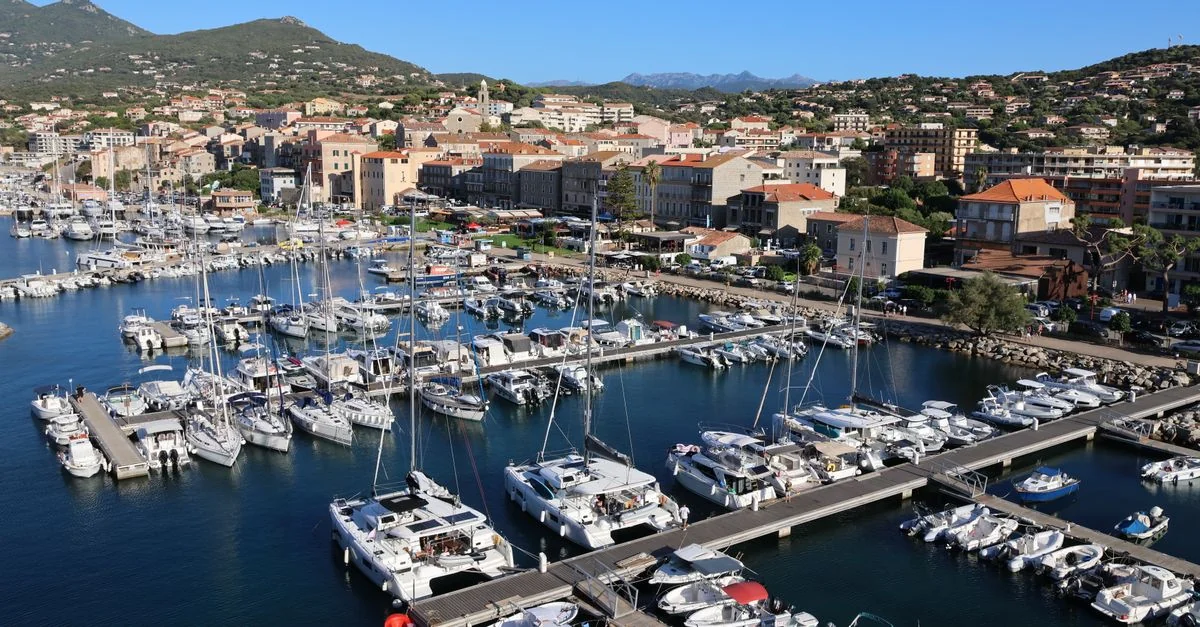
The first thing that hits you as you step onto the slipway at Porto ‑Vecchio is the sweep of turquoise water stretching toward the horizon, dotted with the white hulls of waiting vessels. The salty breeze carries the scent of pine from the nearby hills, and the distant hum of the ferry’s engines promises a quick crossing to Sardinia. If you’ve ever wondered how to move between Corsica and Sardinia without the hassle of a flight or a long drive, this guide walks you through everything you need to know about the Porto‑Vecchio → Olbia ferry. Taking the Ferry From Porto‑Vecchio to Olbia # The scheduled service between Porto‑Vecchio and Olbia runs a single crossing each day, covering the 50‑minute stretch across the Strait of Bonifacio. The ticket price is $27 per passenger, which includes the basic fare for the short hop.
The moment I stepped onto the ferry from Porto -Vecchio, I was greeted by the vast expanse of the Mediterranean Sea. The sun was setting, casting a golden hue over the water, and the horizon was dotted with the silhouettes of sailboats and fishing vessels. It was a sight that made me feel like I was on the edge of the world, yet so close to the lively city of Marseille . Ferry travel is a unique experience, and the route from Porto-Vecchio to Marseille is no exception. It’s a journey that offers a mix of relaxation and adventure, with the chance to take in the beauty of the Mediterranean coastline. But is it the best option? Let’s explore the ferry experience and compare it with other available modes of transport.
The ferry from Porto Cheli to Athens offers a scenic route through the Aegean Sea, with the Greek mainland coming into view as you approach Athens. The ferry terminal in Porto Cheli is small but well-organized, with a few cafes and shops nearby. The port in Athens is much larger, with a busy atmosphere and a variety of dining and shopping options. Taking the Ferry From Porto Cheli to Athens # The ferry ride from Porto Cheli to Athens is a comfortable and efficient way to travel. The journey takes approximately one hour and forty minutes, and the ferry is equipped with modern amenities to ensure a pleasant trip. The ferry departs from Porto Cheli at regular intervals, so you can plan your trip accordingly.
The Port of Ios is a picturesque spot with its whitewashed buildings and the Aegean Sea stretching out before you. The ferry to Santorini is a direct route, offering a scenic journey through the Cycladic islands. As you step onto the ferry, you’re greeted by the sight of the island of Santorini rising above the horizon, its iconic white and blue buildings a beacon of hope. Taking the Ferry From Port of Ios to Santorini # The ferry from Port of Ios to Santorini is a direct route, taking approximately 1 hour and 10 minutes. It’s a popular choice for travelers looking to avoid the hassle of multiple transfers and the time-consuming drive. The ferry offers a comfortable and convenient way to travel between these two stunning islands.
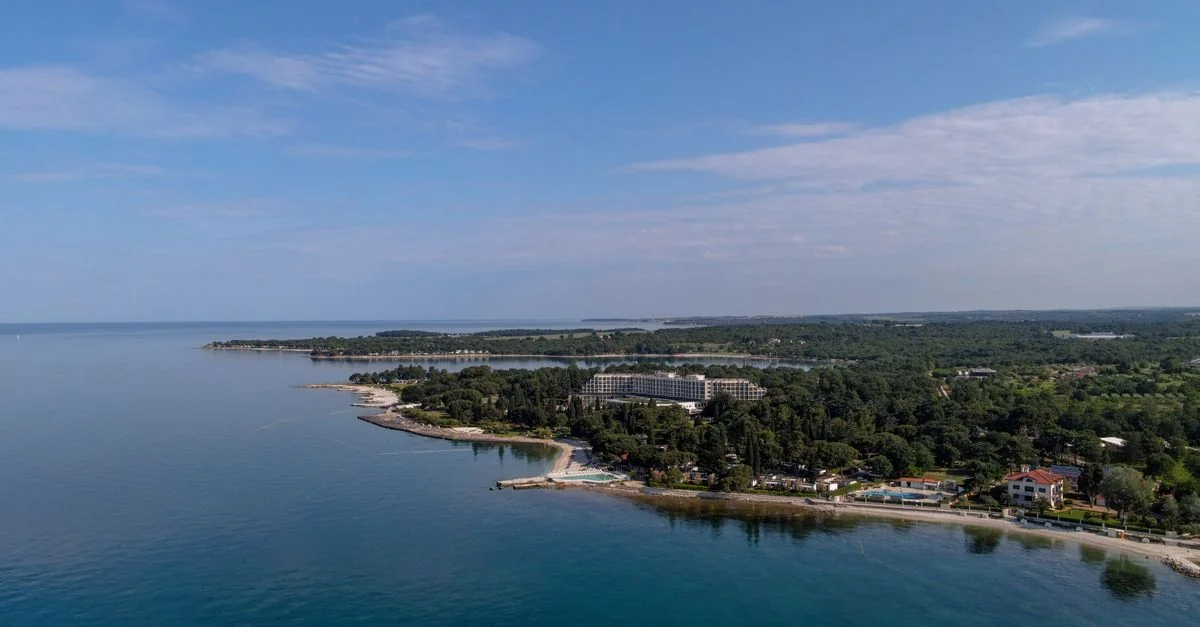
Salt spray hits the glass of the observation windows as the coastline of Istria slowly recedes, the bell towers and Venetian-style facades of Poreč shrinking into the distance as the vessel cuts a clean white wake across the northern Adriatic toward Italy . I have always preferred maritime routes over highway asphalt, and this particular voyage offers one of the most efficient and scenic transitions between countries in the region. Taking the Ferry From Poreč to Trieste # Choosing the maritime route across the Gulf of Trieste transforms a standard transit day into a coastal excursion. As the vessel pulls away from the Poreč terminal, passengers get an expansive view of the Poreč peninsula, highlighting the historic old town and the Euphrasian Basilica from the water—an angle entirely missed by those traveling overland.
Standing on the deck as the rugged cliffs of Ponza slowly recede into the distance, I am reminded why I prefer maritime travel over any other form of transit. The salty mist hits your face, the sound of the engine thrumming beneath your boots provides a steady rhythm, and the open Tyrrhenian Sea stretches out endlessly ahead. Leaving this volcanic island for the mainland capital is a journey best made on the water, where you can watch the dramatic island geography give way to the approaching coast. Taking the Ferry From Ponza to Rome # When planning your transit from island life back to the Eternal City, the maritime route is the primary method connecting these two points. For this specific crossing from Ponza to Rome , the journey takes 1h 15m.
Standing at the departure point, the salt air mixes with the scent of distant citrus groves as the Gulf of Naples stretches out toward the horizon. From the shoreline, Mount Vesuvius looms large in the rearview, framing a maritime corridor that has connected mainland Campania to the islands for centuries. Watching the vessel nose into the dock, engines rumbling a low, steady baseline against the harbor walls, I am reminded why I always choose the water over the road. Taking the Ferry From Pompei to Capri # When planning a sea crossing in this part of Italy , understanding the mechanics of the transit keeps things running smoothly. This specific route links Pompei directly to Capri , cutting across the open water rather than forcing a lengthy detour through Naples or Sorrento .
Standing near the ancient stones of the archaeological site, the urge to trade volcanic ash for salt air usually hits fast. When I plan a coastal escape in this part of Campania, I always check the maritime schedules first. Leaving the railway chaos behind for the open water changes the entire rhythm of the journey. Instead of clutching handrails on a crowded bus winding around hairpin turns, you get to watch the Sorrentine Peninsula rise straight out of the blue Mediterranean. Taking the Ferry From Pompei to Amalfi # When you compare your options for this specific southern Italian leg, the water route always wins my vote. The crossing takes just 50 min. While I don’t have official data for local buses or trains on this exact pairing—and I refuse to guess—anyone who has driven the Amalfi Drive in peak season knows the parking nightmare that awaits at the other end. Choosing the ferry keeps your blood pressure low and your schedule predictable.

As the ferry pulls away from the small harbor of Pomena on the island of Mljet, the view is dominated by the dense, dark green pine forests that define this national park. The water transitions from the shallow, sheltered greens of the bay to the deep, navy blue of the open Adriatic. Watching the coastline of Mljet recede while the horizon begins to hint at the distant, fortified walls of Dubrovnik is the highlight of this transit. There is a specific rhythm to leaving a quiet island for a major historical port, and the sea provides the only transition that feels appropriate for the scale of the journey. Taking the Ferry From Pomena to Dubrovnik # The ferry journey from Pomena to Dubrovnik is a straightforward maritime connection that spans 1h 5m. For those traveling between these two points, the boat offers a direct line that bypasses the complexities of land-based logistics. While some travelers might consider private charters or slower, indirect coastal vessels, the scheduled ferry remains the most reliable method for this specific route.