The view from the stern as the ferry pulls away from the port of Palma is one of my favorite sights in the Mediterranean. You watch the limestone cliffs of the Serra de Tramuntana recede, the golden stone of the Palma Cathedral shrinking into a silhouette against the morning haze. There is a specific rhythm to leaving the harbor; the churning wake turns from a deep, murky harbor green to a striking, open-sea indigo. Watching the island vanish behind you while the vast expanse of the Balearic Sea opens up ahead is a transition that no airplane window can replicate. Taking the Ferry From Palma de Mallorca to Barcelona # The ferry crossing between Palma de Mallorca and Barcelona is a staple of Mediterranean travel. It takes 5 hours and 30 minutes to complete the journey. While some travelers prioritize speed, I find that this duration is the perfect window to settle into a rhythm. You are not rushing through security queues or confined to a middle seat; you are moving across the water with the space to walk, eat, and watch the horizon.
The sight of the Ostend harbor receding into the distance as the vessel pulls away from the quay is one of my favorite maritime experiences. Watching the Belgian coastline flatten out while the North Sea opens up ahead provides a sense of scale that you simply cannot get from a tunnel or a cramped airplane seat. As the ferry gains speed, the salt spray begins to coat the railings, and the horizon becomes a sharp line separating the grey-blue water from the sky. It is a quiet, steady transition from the European mainland toward the white chalk cliffs of England. Taking the Ferry From Ostend to Dover # Traveling by sea between Ostend and Dover offers a distinct rhythm that defines the journey. While other methods of crossing the English Channel might be faster, they lack the physical sensation of movement that a ferry provides. On this route, you are looking at a transit time of 1h 35m. This duration is long enough to settle into a seat, grab a coffee, and watch the waves, yet short enough that the journey feels like a productive part of your day rather than a wasted block of time.
As the ferry pulls away from the pier, the skyline of the Norwegian capital recedes into the distance, framed by the green slopes of the surrounding hills. Standing on the outer deck, the salty air hits immediately, carrying the distinct scent of the North Sea as the ship turns its bow southward toward Denmark . For anyone planning travel between Norway and Denmark, choosing how to cross the water defines the entire trip. I have spent years tracking maritime routes across Europe , and this specific crossing offers a straightforward, affordable connection between Scandinavia’s capitals and the northern tip of Denmark.
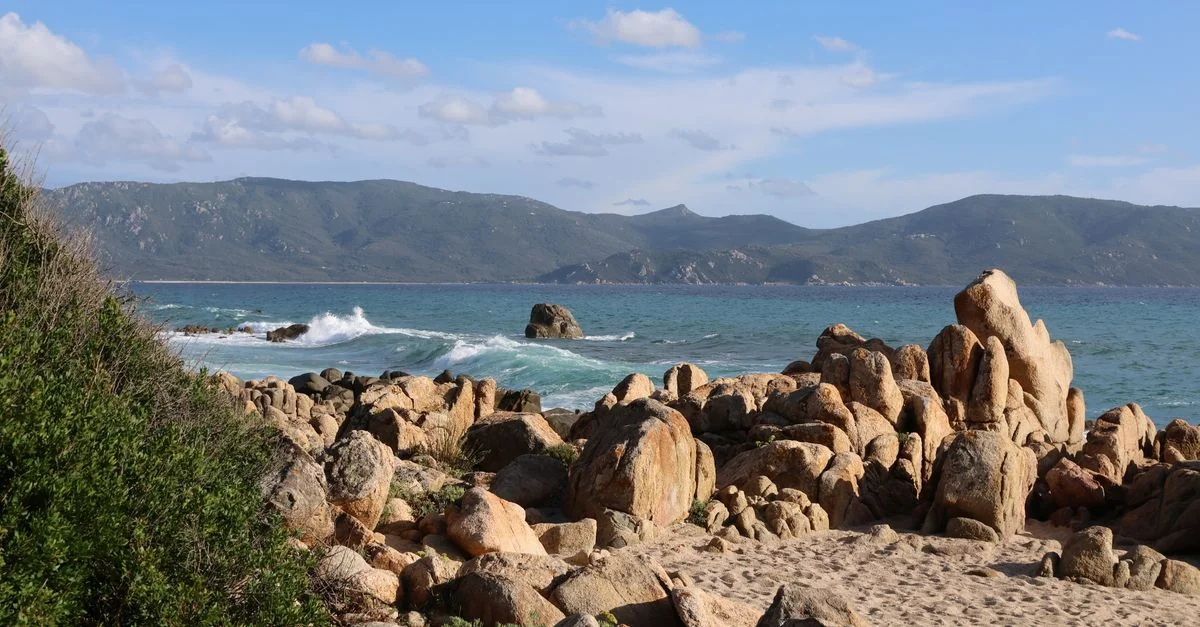
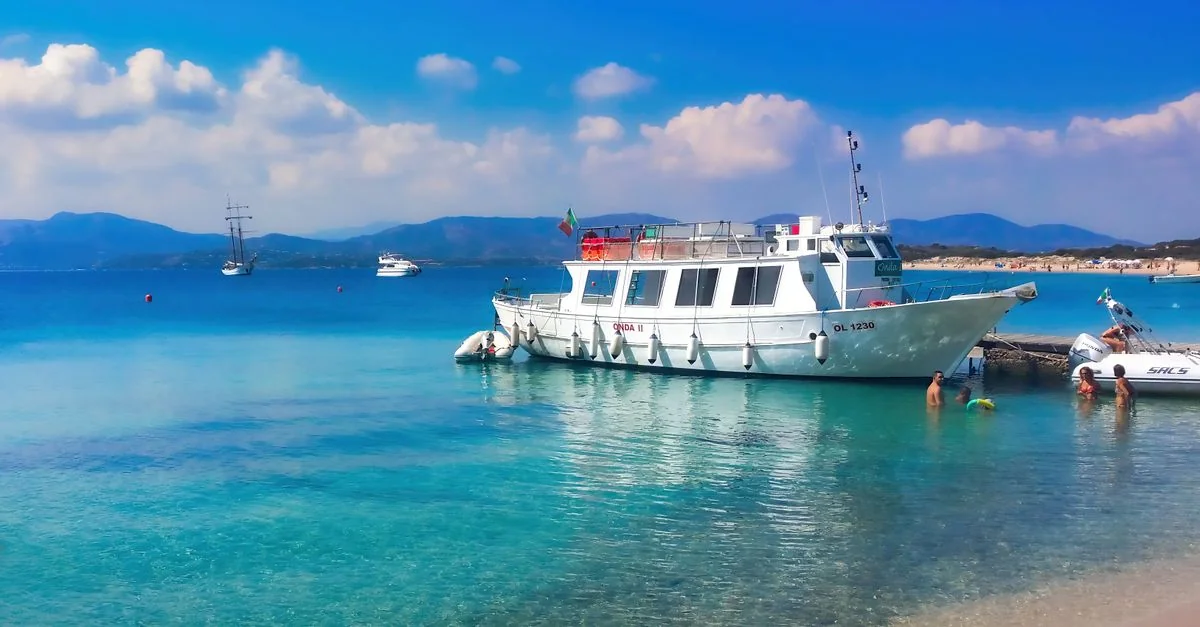
Salt spray hangs in the morning air as the ferry edges away from the Sardinian dock at Olbia , churning the blue water into a white wake that stretches back toward the granite hills. This is where real travel begins, far from the sterile terminal of an airport. Watching the coastline of Sardinia shrink into the distance while the open Tyrrhenian Sea stretches out ahead offers a perspective you simply cannot get from a window 30,000 feet in the air. For anyone planning a journey across the water, choosing how to travel between Sardinia and the Italian mainland comes down to a choice between speed and the actual experience of moving across the earth.
Standing on the outer deck of the ship, I watched the jagged peaks of northern Sardinia fade into the deep blue of the Tyrrhenian Sea. The salt spray caught the morning light as the massive hull pushed away from the dock at Olbia , setting a steady course toward the Italian mainland. For anyone who prefers travel to be an actual part of the journey rather than just a logistical hurdle, trading airports for the open water is the only way to go. Taking the Ferry From Olbia to Pisa # When planning this specific maritime crossing, you are looking at a 7h 0m journey across the sea. The ferry option costs $15, making it an exceptionally economical way to bridge the distance between Sardinia and the Tuscan region.
Standing on the deck in Olbia as the engines hum to life, you watch the Sardinian coastline slowly recede against the morning light. There is a distinct rhythm to leaving a port by sea that flying simply cannot replicate. The salty breeze hits your face, the open water stretches toward the horizon, and the slow unwind of a maritime journey begins. For travelers who prefer the water over the clouds, the route connecting Sardinia to the French Riviera offers an appealing escape. Let us break down everything you need to know about making this crossing.
The departure from Olbia is a masterclass in coastal aesthetics. As the vessel pulls away from the Sardinian quay, the jagged, sun-bleached hills of the Gallura region slowly recede, replaced by the deep, uniform indigo of the Tyrrhenian Sea. Watching the port infrastructure shrink into the distance provides a necessary transition from the island pace of life back toward the mainland. The air changes here; it loses the scent of wild rosemary and salt-crusted granite, shifting instead to the metallic tang of the open water. Taking the Ferry From Olbia to Livorno # Choosing the ferry for the transit between Olbia and Livorno is a decision to prioritize the journey itself over mere speed. The crossing takes 5h 45m. Unlike the sterile environment of an airport terminal, the ferry allows you to remain in motion while retaining the ability to move about, eat, and breathe fresh air.
Standing on the outer deck at the port of Olbia , the scent of salt air mixes with the faint aroma of diesel as the ship prepares to depart. Watching the Sardinian coastline recede, the jagged peaks of the Gallura region slowly fade into a soft haze, while the promise of the rugged Corsican cliffs ahead keeps my gaze fixed on the horizon. This short transit across the Strait of Bonifacio is one of my favorite stretches of water in the Mediterranean. It is functional, efficient, and offers a perspective on the islands that you simply cannot get from a car window or an airplane seat. Taking the Ferry From Olbia to Corsica # The crossing from Olbia to Corsica is a straightforward affair. The journey takes exactly 1h 0m. When you look at the geography of the two islands, it becomes clear why the ferry is the preferred method for most travelers. You are essentially crossing a narrow maritime boundary that separates two distinct cultures, yet they feel geographically linked by the sea.
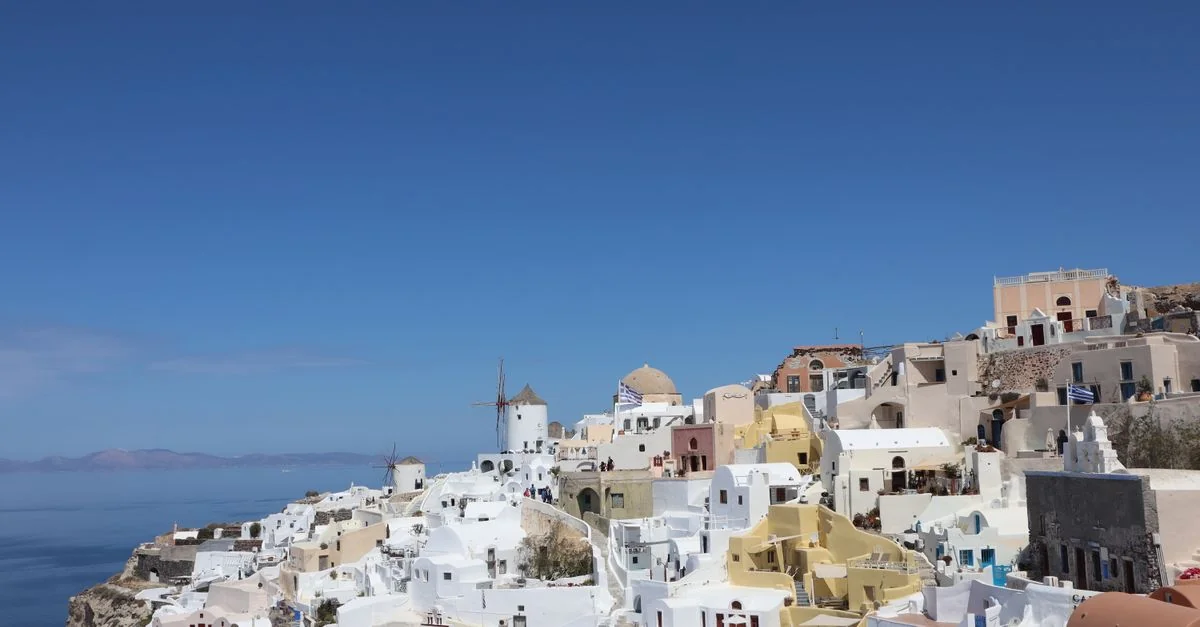
Standing at the edge of the caldera in Oia, looking down toward the port of Santorini , the sea stretches out toward Mykonos in a deep expanse of blue. Ferries churn white foam against the dark volcanic water as they maneuver into position, signaling the start of another Aegean crossing. For anyone traveling between these two Cycladic islands, watching the cliffside whitewashed houses recede from the ferry’s stern is one of the classic maritime experiences in Greece . Taking the Ferry From Oia to Mykonos # When planning your journey across the Cyclades , the ferry remains the primary maritime connection linking Santorini and Mykonos. The Oia to Mykonos route takes 2h 30m. This duration makes it a manageable midday or morning transit, allowing you to catch breakfast on one island and dinner on the next.
The morning light catches the pastel facades of the old port in Nice , casting long shadows across the moored yachts as the terminal gate opens for boarding. Standing on the outer deck, watching the French Riviera slowly slip away into the Mediterranean blue, provides a sense of departure that airports simply cannot replicate. Traveling across the sea connects mainland Europe to the rugged shores of Sardinia in a way that turns the journey into an actual part of the holiday rather than a logistical hurdle.