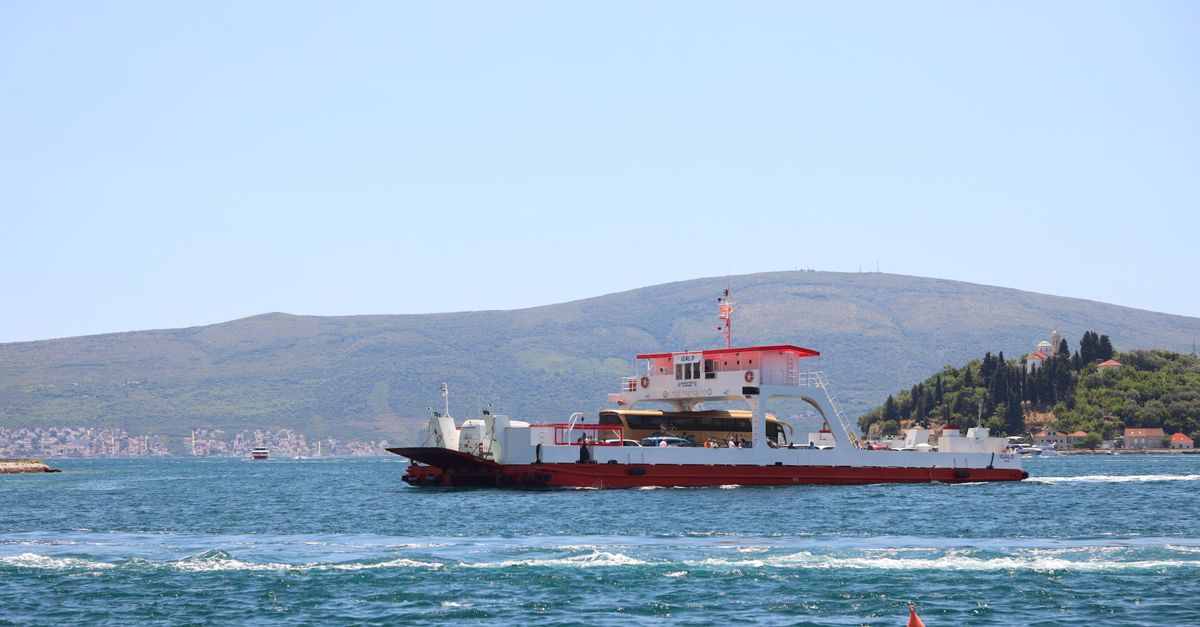
The Split to Kotor Ferry: A Practical Guide to the Adriatic Crossing
The morning light hits the water in Split’s harbor, turning the deep blue of the Adriatic into a shimmering canvas of silver and turquoise. I stand near the railing of the terminal, watching the city’s historic Riva promenade fade into the distance as the vessel begins its slow pull away from the dock. There is a specific kind of quiet that settles over a ferry deck once the engines catch a steady rhythm. It is not the silence of emptiness, but the comfortable hush of a journey in progress. For those who have spent years hopping between islands and coastal cities, this transition from land to sea is the moment the trip truly begins. The air smells of salt and diesel, a familiar cocktail for anyone who has made a living or a hobby out of crossing open water. This route, connecting the Croatian coast to the Montenegrin border, is one of the more interesting segments in the region. It bridges two distinct yet culturally similar worlds. While many travelers rush through this leg of their itinerary, taking the time to understand the logistics and the experience of the crossing can make the difference between a stressful transit and a memorable part of the vacation. I have taken this crossing multiple times, in different seasons and with different operators, and I can tell you that the water here is generally forgiving, though it is not without its character.