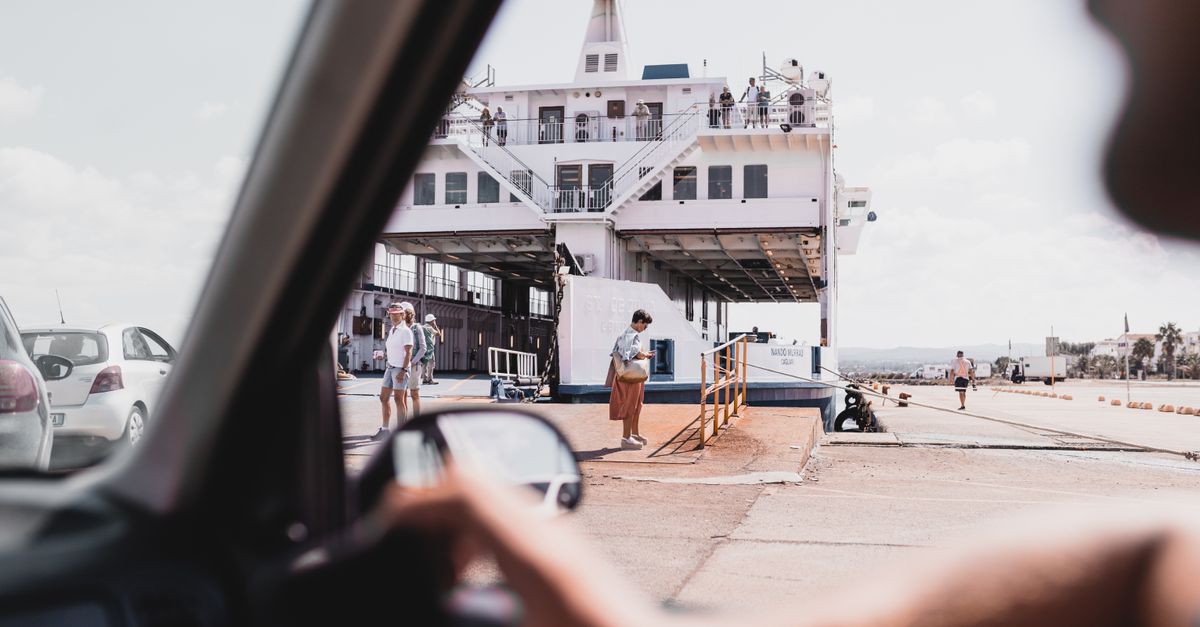
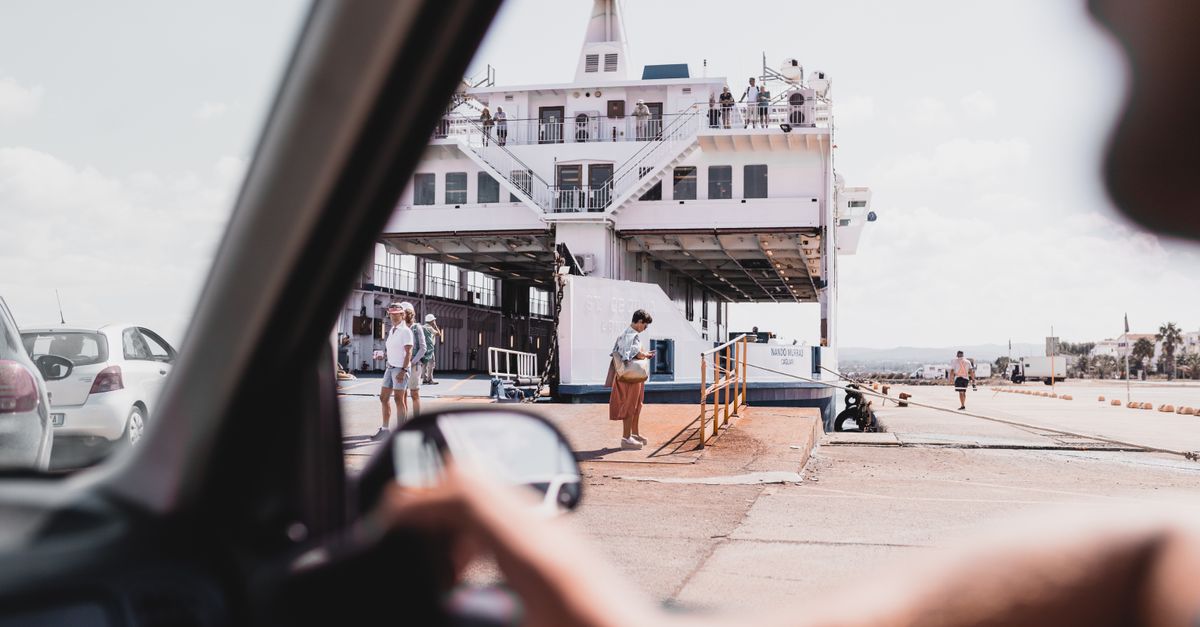
The white paint of the ferry reflects the harsh Greek sun as it sits docked at Kyllini. From the port, the horizon is a flat line of deep blue, broken only by the distant silhouette of the Peloponnese coastline receding as the engines hum to life. There is a specific smell to these ports—a mix of salt spray, diesel, and the faint scent of roasting coffee from the nearby kiosks. As the ramp lifts, the ship slowly pulls away from the concrete pier, leaving the mainland behind for the open waters of the Ionian Sea.
The morning light hits the Ionian Sea differently than you might expect. It is not the blinding white glare of the Mediterranean south, but a softer, greener hue that reflects the dense pine forests of the mainland and the rugged cliffs of the island ahead. Standing on the deck of the ferry as it pulls away from the port of Kyllini, watching the Peloponnese coastline recede behind me, I am reminded why I prefer this mode of travel. There is a specific rhythm to ferry crossings that land transport simply cannot replicate. It is a transition, a moment where the noise of daily life is replaced by the steady hum of the engine and the slap of water against the hull. For those traveling from the Greek mainland to the island of Kefalonia, this short hop is not just a logistical necessity; it is the first chapter of the island experience.