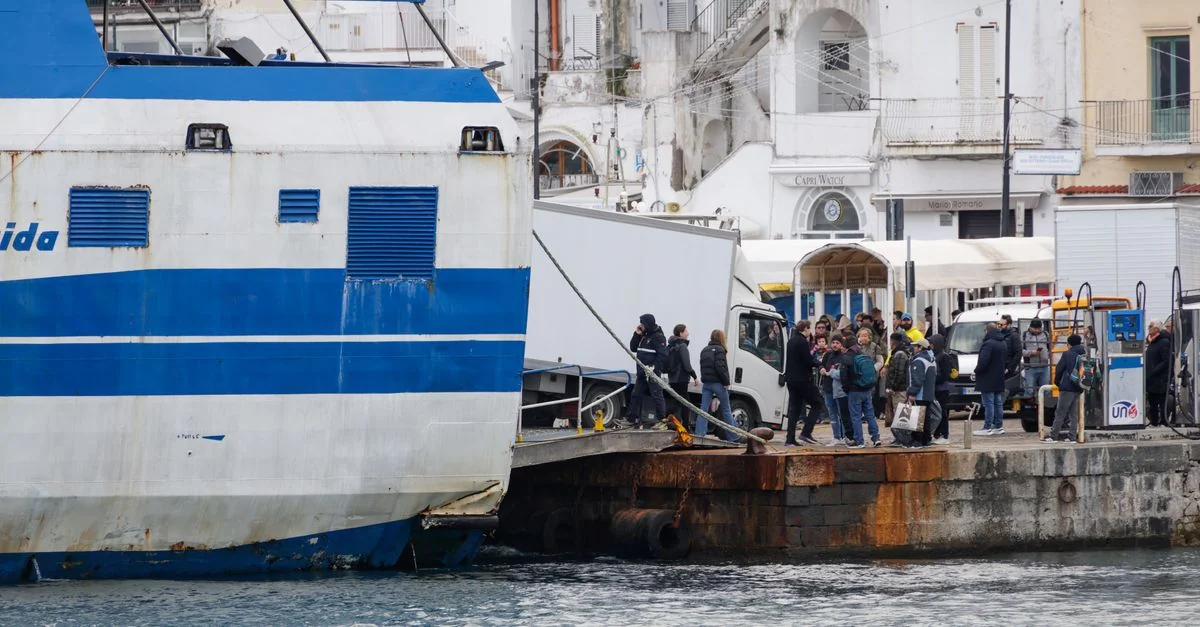
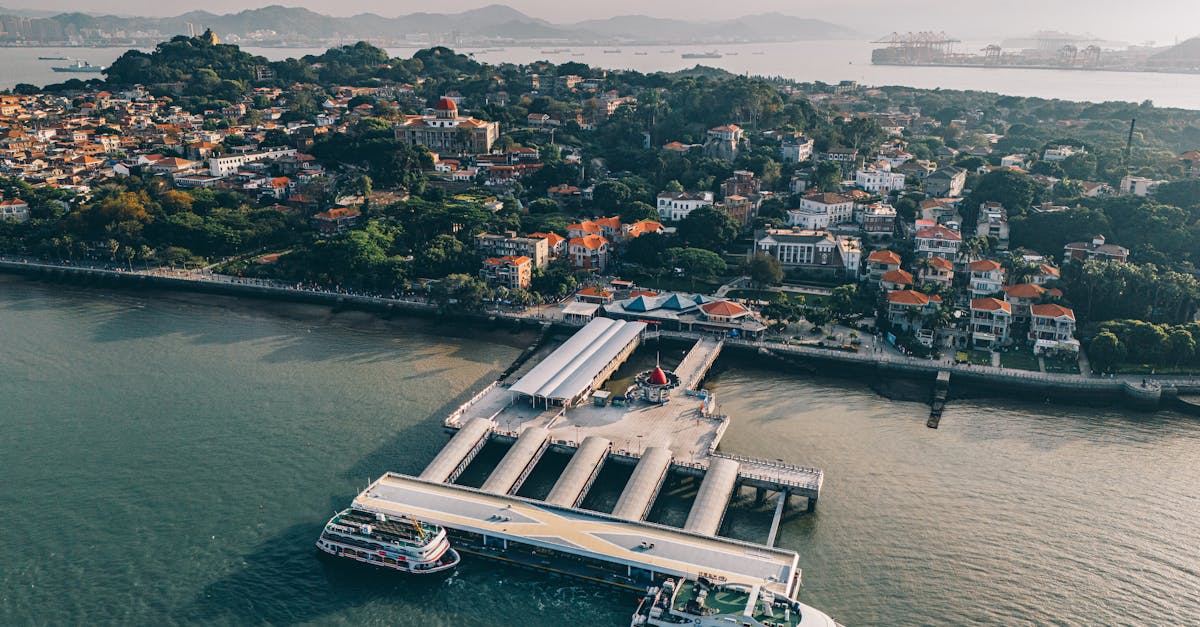
The first thing that catches my eye as I step onto the dock at Sorrento’s little train‑station pier is the line of sleek, low‑profile ferries bobbing gently against the backdrop of the Gulf of Naples. The water shimmers under a late‑morning sun, and the distant silhouette of Mount Vesuvius hints at the journey ahead. From this spot, the ferry to Napoli feels less like a transfer and more like a short, breezy cruise across one of Italy’s most photographed coastlines. Taking the Ferry From Sorrento, Train station to Napoli # The ferry departs from the modest terminal right beside the Sorrento train station. Tickets are priced at $6 and the crossing takes 40 minutes. The service runs several times a day, with the earliest departure around 07:30 and the last one near 20:00, giving you flexibility whether you’re catching a morning flight out of Napoli or heading back after a day of sightseeing.

The morning light hits the water in a way that makes the air feel heavy with salt and possibility. I stand at the edge of the Sorrento waterfront, the stone pier stretching out beneath my feet, watching the waves lap against the hulls of the vessels waiting to depart. To the left, the cliffs of the Sorrentine Peninsula rise steeply, dotted with lemon groves that seem to glow in the early sun. To the right, the distant silhouette of Mount Vesuvius looms over the city of Napoli, a dark, brooding presence against the bright blue sky. This is the moment I love most: the stillness before the engine hums to life. It is a short distance across the water, but it is a significant shift in perspective. You are leaving the curated, tourist-heavy streets of Sorrento and heading toward the chaotic, lively energy of Naples. For me, the ferry is not just a mode of transport; it is the transition itself. It is the best way to make that switch, offering a view that no train or bus can replicate. Taking the Ferry From Sorrento to Napoli # The journey from Sorrento to Napoli by ferry is a straightforward crossing that takes 40 min. It is a direct route that cuts across the Bay of Naples, bypassing the winding coastal roads and the crowded railway tracks. When I take this crossing, I usually aim to arrive at the port at least 20 minutes before the scheduled departure time. This allows me to find a good spot on the deck without rushing through the security checks. The port in Sorrento is well-organized, with clear signage directing passengers to the boarding gates. Once you step onto the vessel, you are immediately aware of the movement of the water. The ship is designed for this kind of short, frequent hop, so it is sturdy and reliable.
The moment I stepped onto the little pier at Procida, the salty breeze carried the faint outline of Naples’ skyline. The water shimmered under the early sun, and the ferry’s low profile bobbed gently, promising a swift crossing that feels more like a short ride than a journey. If you’ve ever wondered how to move between these two ports without the hassle of traffic or the wait for a larger vessel, this guide walks you through everything you need to know about the Procida‑to‑Napoli ferry. Taking the Ferry From Procida to Napoli # The ferry that runs this route is a compact, motor‑driven craft that shuttles passengers across the Bay of Naples in just five minutes. The ticket price is $3, making it an incredibly affordable option for solo travelers, couples, and families alike. Because the crossing is so brief, you’ll find that the departure times are frequent throughout the day, though the exact schedule can vary with the season and weather conditions.
The ferry from Praiano to Napoli offers a scenic and efficient way to travel between these two Italian destinations. As you step onto the ferry, you’re greeted by the sight of the Amalfi Coast, its rugged cliffs and turquoise waters stretching out before you. The ferry is a small vessel, designed for short crossings, and it’s the perfect way to experience the beauty of the coast at a leisurely pace. Taking the Ferry From Praiano to Napoli # The ferry from Praiano to Napoli is a small vessel, designed for short crossings. It’s the perfect way to experience the beauty of the coast at a leisurely pace. The journey takes approximately one hour and six minutes, and the fare is 19.94 pounds. The ferry departs from the small port of Praiano, which is a short walk from the town center. The port is well-signposted, and the ferry departs frequently, so you won’t have to wait long for your crossing.
As the ferry pulls away from the docks in Napoli, the chaotic energy of the city begins to dissolve into the blue expanse of the Tyrrhenian Sea. Looking back, you see the sprawl of the urban coastline framed by the looming presence of Mount Vesuvius, while ahead, the silhouette of Procida emerges as a colorful, quiet contrast. There is a specific rhythm to this crossing that you simply cannot replicate on land. Watching the wake churn behind the vessel while the salt spray hits the air is the best way to transition from the intensity of the mainland to the slow pace of island life. Taking the Ferry From Napoli to Procida
The silhouette of Mount Vesuvius recedes as the ferry pulls away from the Napoli waterfront, leaving the chaotic energy of the city behind for the open water. Watching the coastline flatten into a thin line of gray and green while the salt spray hits the glass is the definitive way to start a trip to the Phlegraean Islands. As the vessel gains speed, the open deck provides a perspective of the Gulf of Napoli that you simply cannot replicate from a train window or a car seat. Taking the Ferry From Napoli to Ischia
The silhouette of Mount Vesuvius fades into the grey haze behind us as the ferry pulls away from the Napoli docks. Watching the industrial cranes and the stacked containers of the port shrink into the distance is my favorite part of the journey. There is a specific rhythm to the departure—the deep vibration of the engines shifting from a low hum to a steady pulse, the smell of salt spray mixing with the faint scent of diesel, and the open expanse of the Tyrrhenian Sea stretching toward Sicily. Taking the Ferry From Napoli to Catania
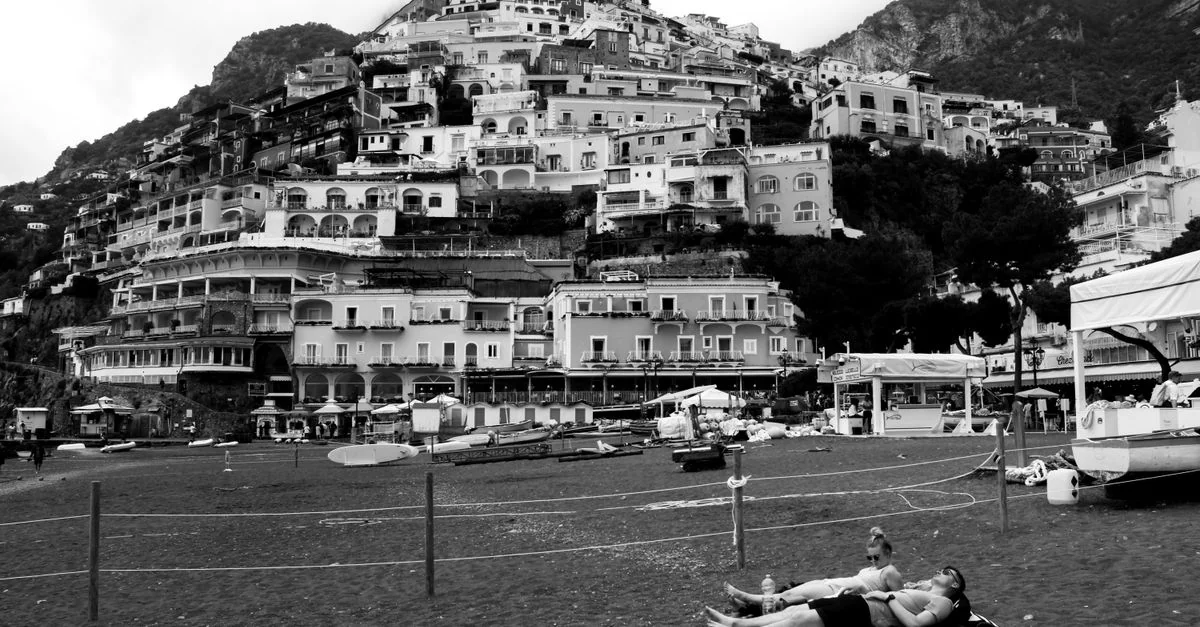
The moment the ferry pulls away from the busy Napoli waterfront, the city’s skyline recedes behind a ribbon of blue, and the cliffs of the Amalfi Coast begin to rise out of the sea. From the open deck you can see the pastel‑coloured houses of Positano perched on sheer rock faces, while the scent of salty air mixes with the faint aroma of espresso drifting from the port cafés. It’s a view that instantly tells you you’ve left the traffic‑filled streets behind and are about to experience the coastline the way locals have for centuries. Taking the Ferry From Napoli to Amalfi
The view from the stern of the ferry as it pulls away from Marina Grande is one of the finest sights in the Mediterranean. As the colorful houses of Capri recede into the distance, the jagged limestone cliffs seem to fold into the sea, leaving behind the quiet charm of the island for the sprawling, historic silhouette of the Italian mainland. The water churns into a frothy white wake, and within minutes, the sheer scale of the Gulf of Napoli becomes apparent. Looking back, you see the island’s profile shift, while ahead, the looming presence of Mount Vesuvius marks the horizon. It is a transition from the slow pace of island life to the intensity of one of Italy’s most storied cities. Taking the Ferry From Marina Grande to Napoli
Standing on the outer deck at the Ischia port, the morning sun hits the Aragonese Castle just right, turning the ancient stone a warm golden orange. As the lines are cast off and the vessel slowly reverses away from the pier, the jagged green profile of Ischia begins to shrink behind the churning wake. Ahead lies the wide expanse of the Gulf of Napoli, framed by the distant brooding mass of Mount Vesuvius and the sprawling skyline of the mainland. For anyone who prefers travel that lets you actually see the landscape unfold, this maritime route beats staring at the inside of a tunnel or a cabin wall every single time.