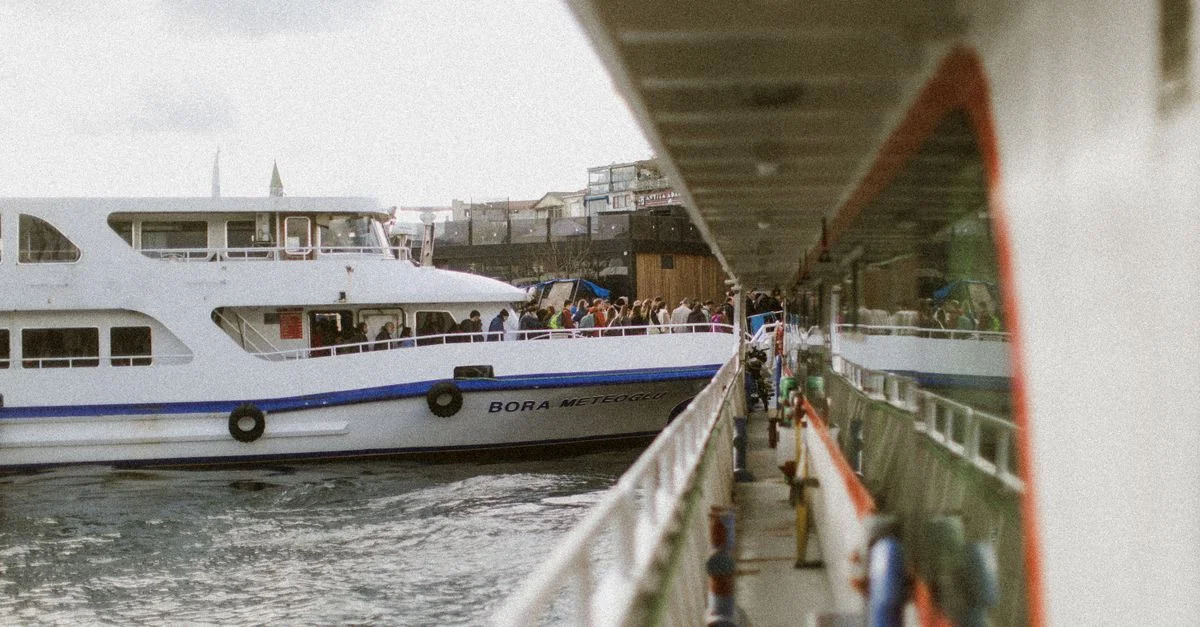
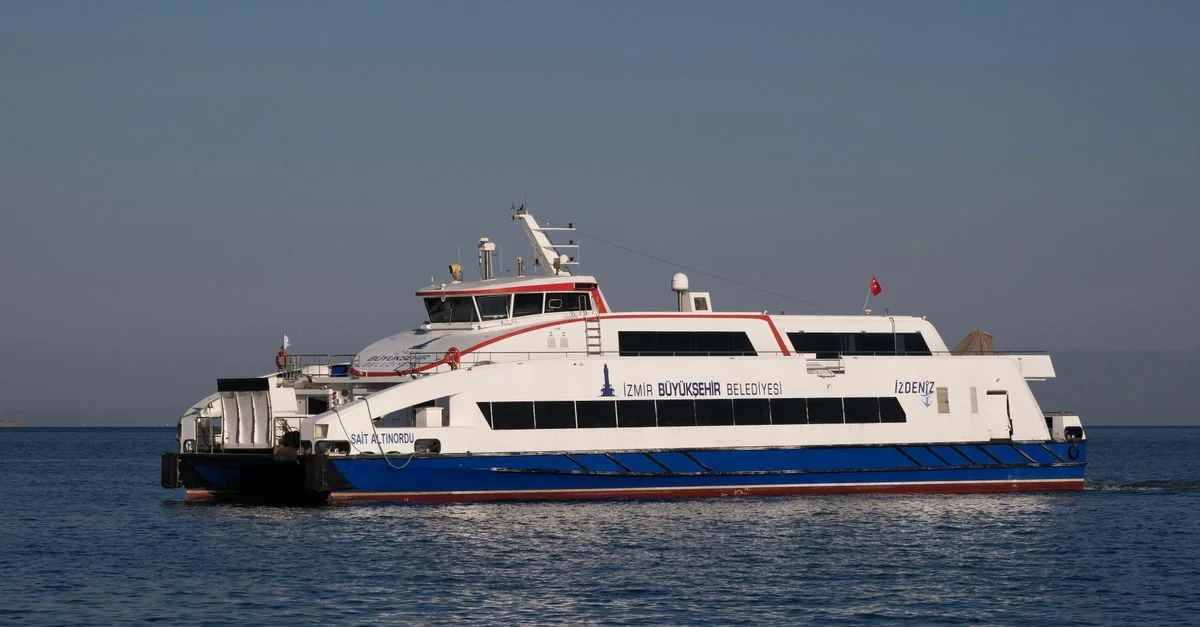
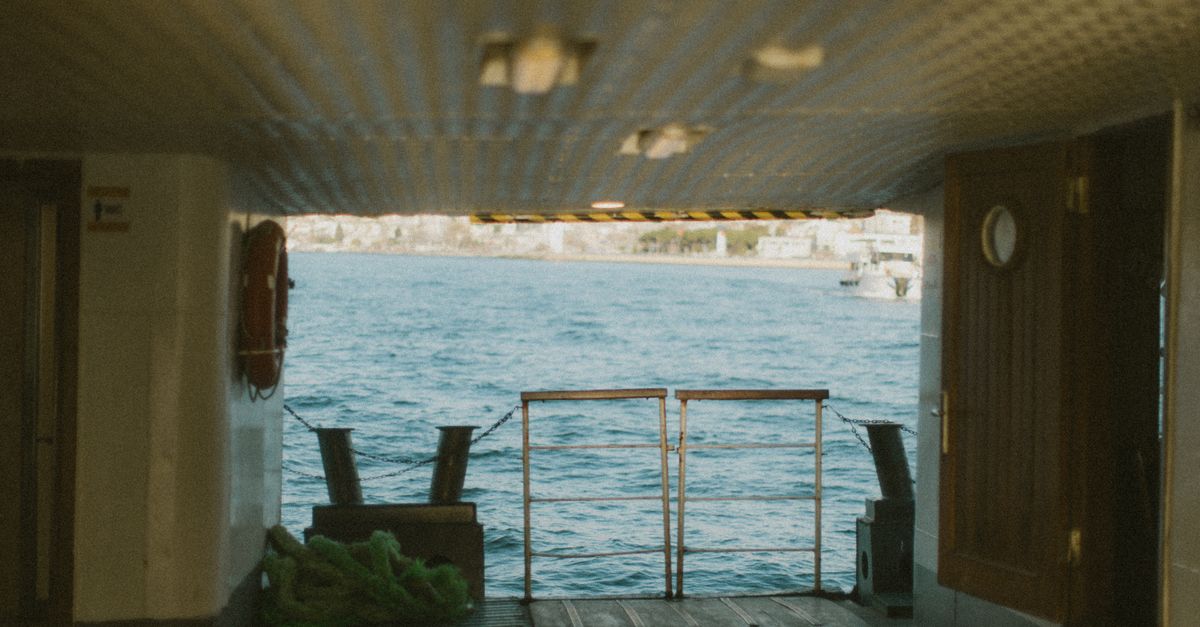
Standing on the outer deck at Gate E6 or E7 in Piraeus, the Aegean air smells of diesel, salt water, and warm sesame bread from the dockside kiosks. As the massive stern ramps lift and the ship pulls away from the concrete breakwater, the chaotic Athens skyline fades into the blue haze of the Saronic Gulf. For me, the journey across these ancient waters remains the only proper way to reach the Cyclades . Taking the Ferry From Piraeus to Naxos # When the sea calls, I always choose the slow route over the rigid metal tube of an airplane. The maritime highway from the mainland to Naxos covers open water dotted with distant islands, turning a simple transit into a full day on the water.
The view from the Mykonos port is a chaotic ballet of roaring engines, towering car ferries, and foot passengers dodging luggage handlers against a backdrop of whitewashed cubist houses. As the stern ramps lift and the engines deepen their thrum, the Cycladic blue water churns into white foam, marking the start of another short sea journey across the Aegean. Taking the Ferry From Mykonos to Naxos When planning a trip between these two Cycladic islands, maritime transport stands as the primary and most efficient link. For this specific run from Mykonos to Naxos, the crossing takes a remarkably swift 40 minutes.
Salt spray catches the morning light as the hull pushes away from the Adamas port in Milos, leaving behind the volcanic cliffs of the Cyclades and setting a course northeast across the Aegean toward Naxos . For anyone who prefers slow travel over the sterile sterility of airports, this maritime connection remains the definitive way to move between these two islands. The deck rails vibrate gently against your palms as the engines hum to life, and the island of Milos slowly recedes into the deep blue horizon, replaced by the open sea and the promise of the next landfall. Taking the Ferry From Milos to Naxos
The port of Ios is quiet this morning, save for the rhythmic clanking of mooring ropes and the distant hum of a departing engine. Standing on the quay, the white cubist houses of Chora cling to the hillside above, looking like they are sliding down toward the water. The Aegean stretches out in front of me, a deep, shifting blue that seems to go on forever. This is the view that defines island hopping in the Cyclades—the transition from the party-heavy atmosphere of one island to the agricultural heartland of the next. There is something grounding about watching the ferry pull in, cutting through the water, knowing that in under an hour, the scenery will shift completely.