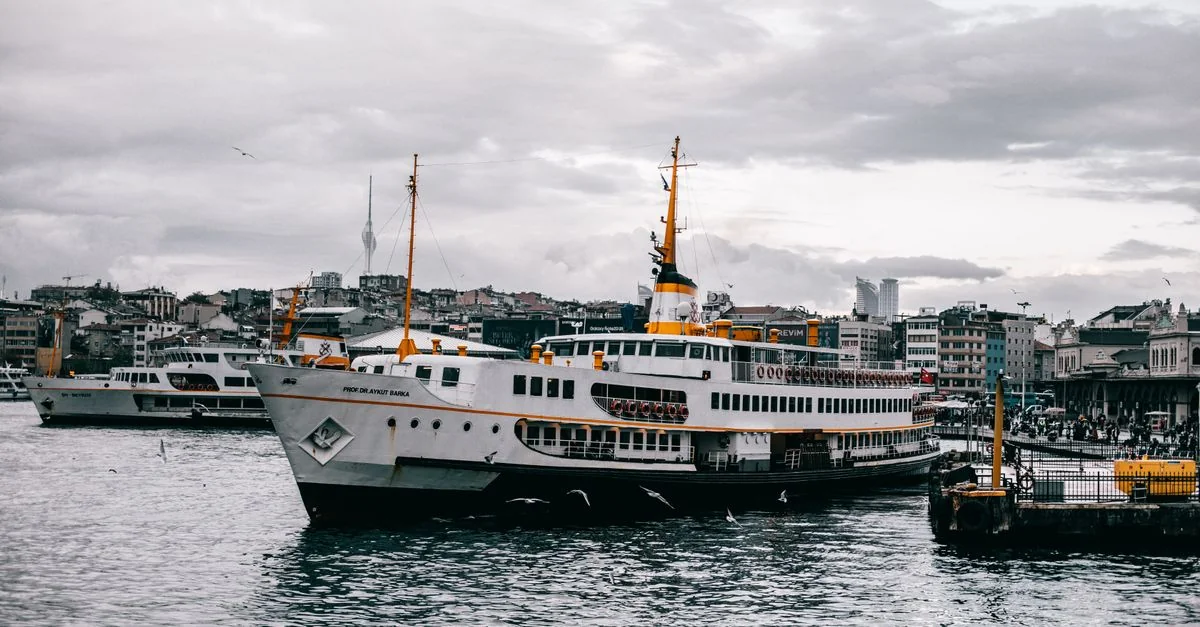
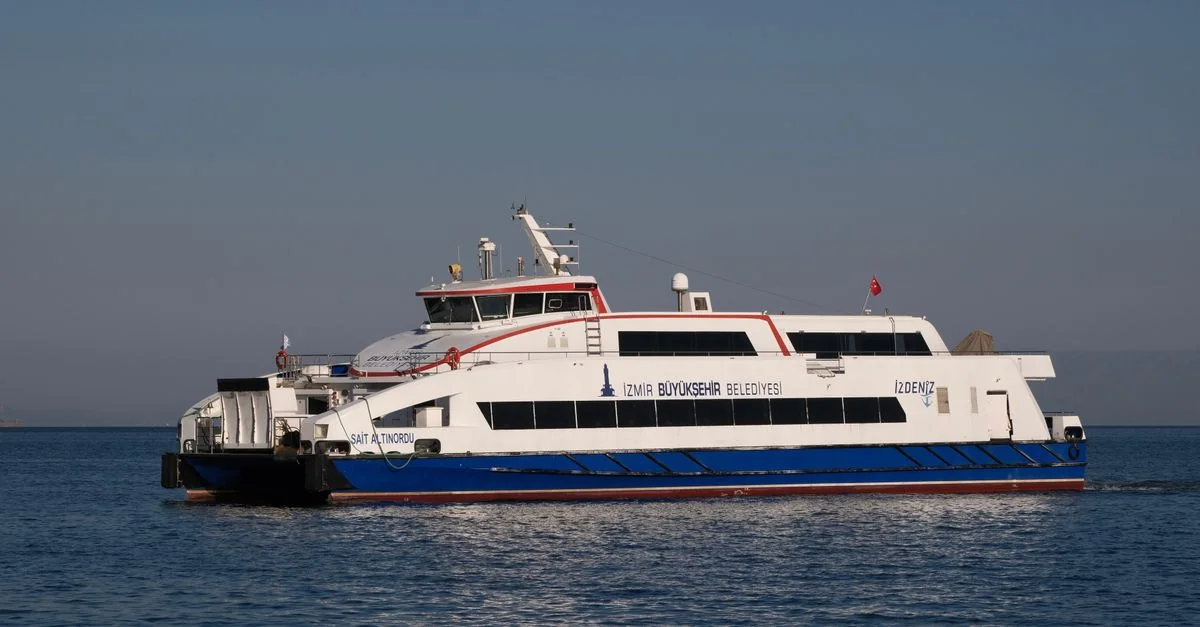
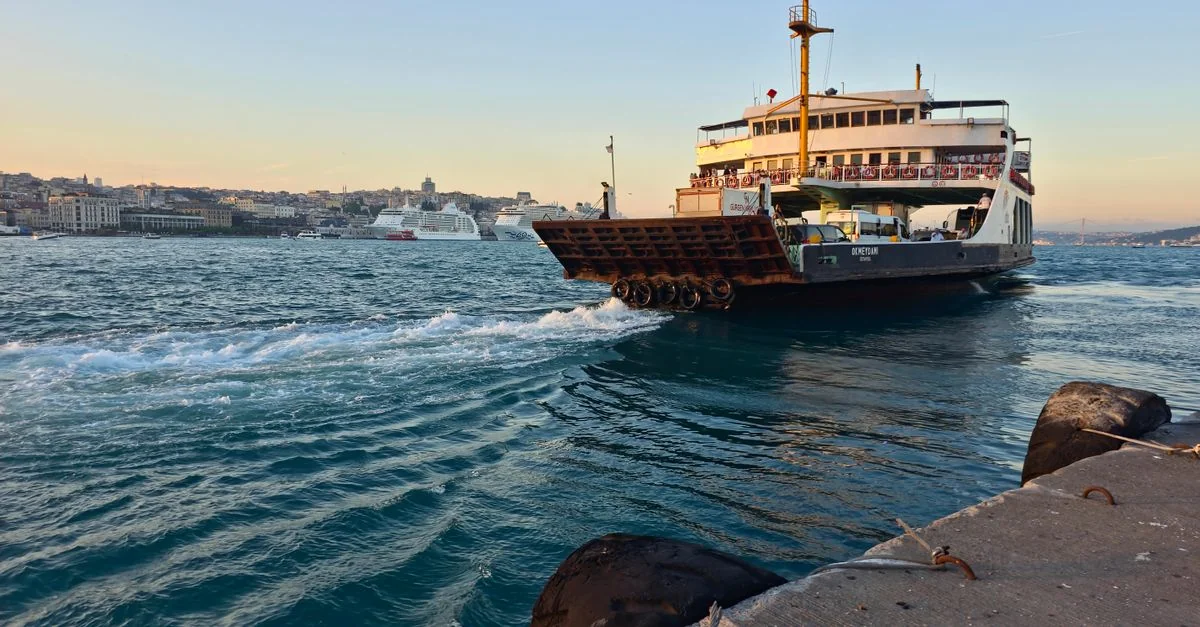
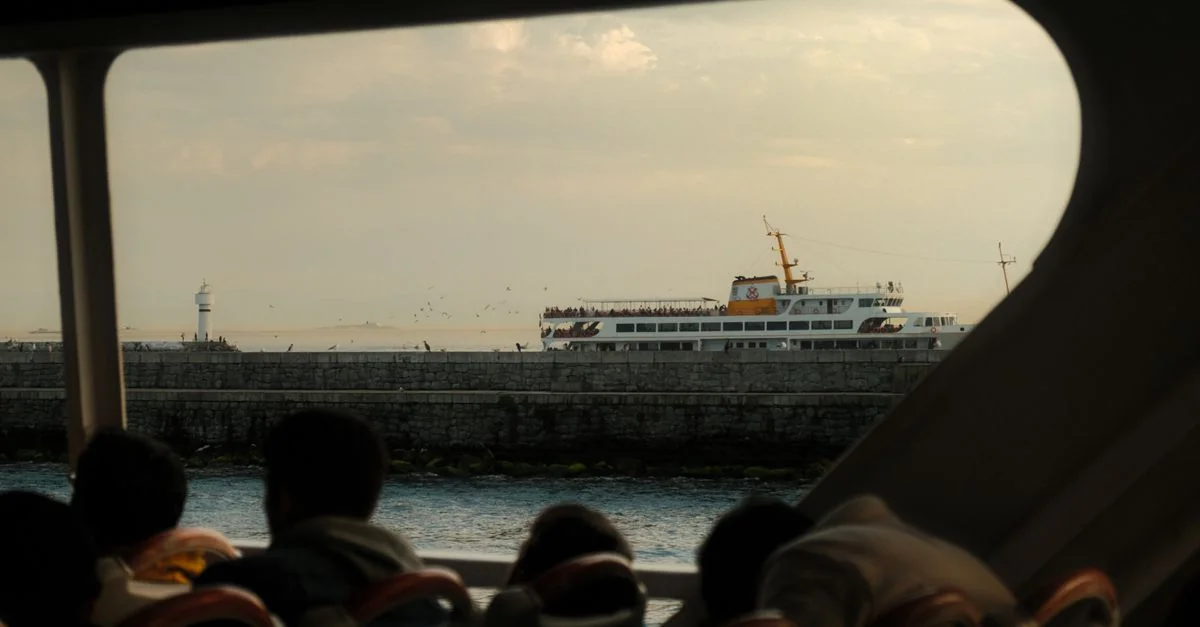
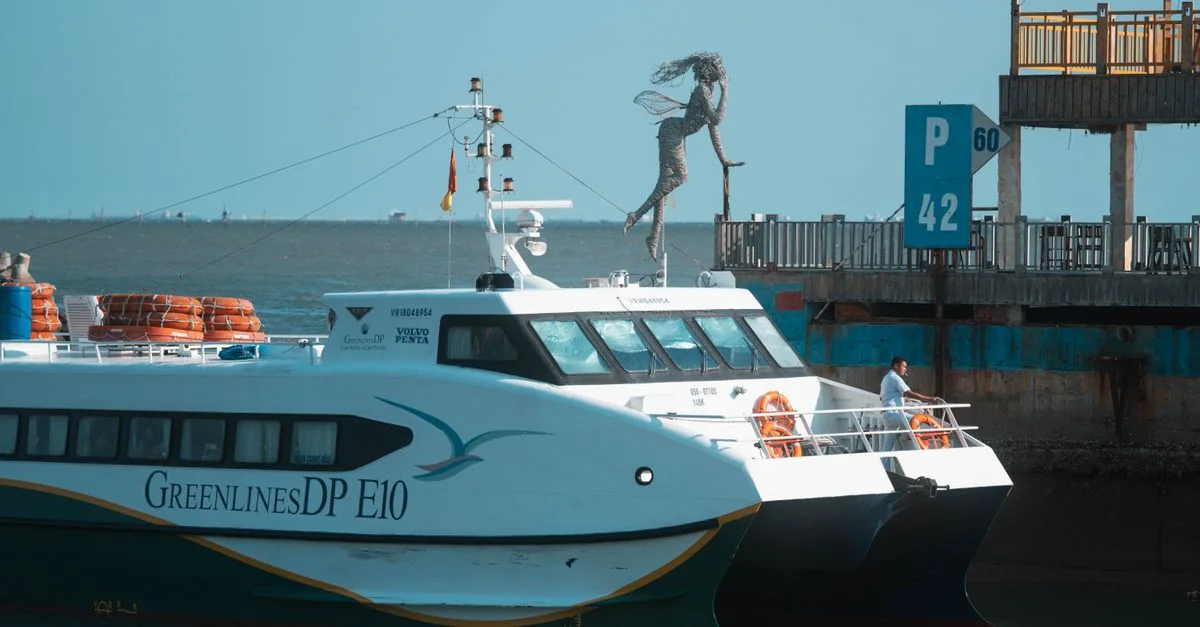
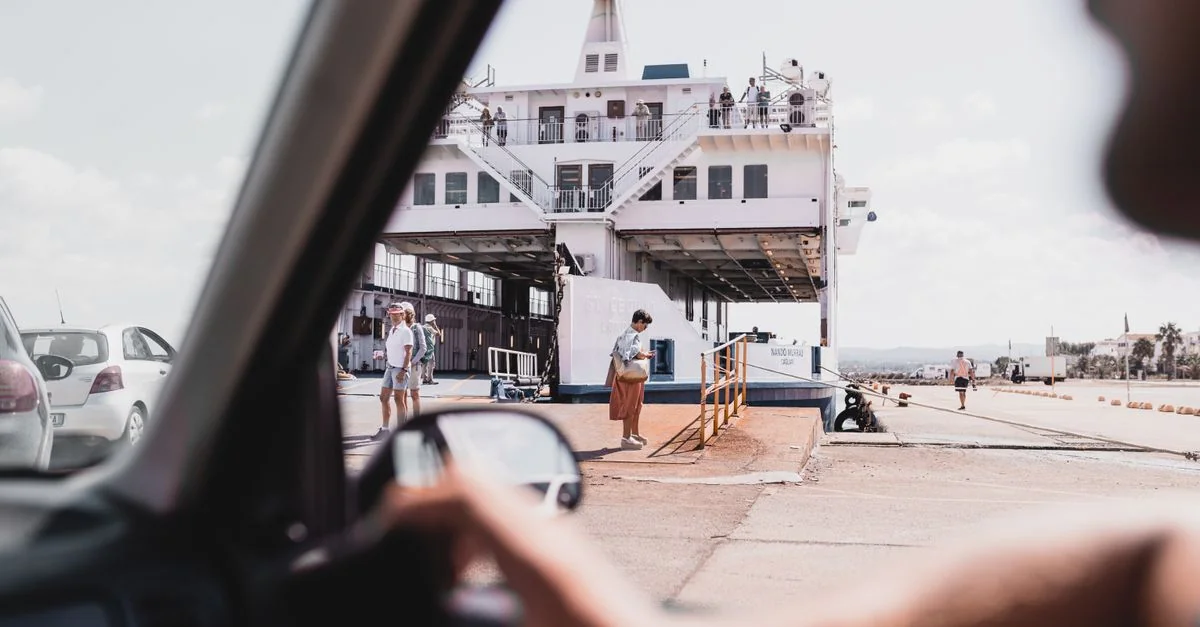
The harbor at Adamas on Milos is a study in contrasts. As the ferry pulls away from the quay, the white-washed buildings of the port town shrink against the volcanic cliffs, while the deep blue of the Aegean stretches out toward the horizon. Watching the coastline recede from the stern is my favorite part of the journey; it provides a final perspective on the crater-like shape of the island before the open sea takes over. The transition from the calm bay to the rhythmic motion of the open water is the true beginning of the transit between these two islands. Taking the Ferry From Milos to Paros
Salt spray catches the morning light as the hull pushes away from the Adamas port in Milos, leaving behind the volcanic cliffs of the Cyclades and setting a course northeast across the Aegean toward Naxos. For anyone who prefers slow travel over the sterile sterility of airports, this maritime connection remains the definitive way to move between these two islands. The deck rails vibrate gently against your palms as the engines hum to life, and the island of Milos slowly recedes into the deep blue horizon, replaced by the open sea and the promise of the next landfall. Taking the Ferry From Milos to Naxos
Standing on the outer deck at the port of Adamas, watching the white-washed Cycladic cube houses climb the volcanic cliffs of Milos while the ship’s massive stern ramp lifts, remains one of my absolute favorite maritime rituals. The low rumble of the diesel engines vibrates through the steel deck beneath my boots as the vessel slowly backs away from the pier. Ahead lies the open expanse of the Cretan Sea, and tracing this blue water route by ship is the only way to truly appreciate the scale of the Greek islands. When planning an island-hopping itinerary through this part of the Aegean, moving south from the Cyclades to Greece’s largest island is a classic journey. As someone who prefers the unhurried pace of maritime transit over sterile airport terminals, I always choose the sea route when connecting these destinations.
Standing on the port of Adamas as the salt air mixes with the scent of diesel, the whitewashed sugar-cube houses of Milos slowly recede. Leaving the Cyclades behind on a sea crossing offers a perspective on Greece that you simply miss from 30,000 feet. The water deepens from turquoise to midnight blue as the vessel points its bow north toward the mainland, cutting a clean white wake across the Aegean. For anyone planning this specific island-to-capital transit, understanding your options on the water and in the air makes all the difference. Having spent years tracking timetables and securing the best spots on car decks, I have broken down everything you need to know for the route from Milos to Athens.
The view from the Milna waterfront is defined by the gentle bobbing of masts against the backdrop of stone houses that climb the hillside. As the ferry approaches the quay, the water churns into a frothy white wake, signaling the start of a short, efficient transit across the Brač Channel. Watching the island of Brač recede while the jagged skyline of Split draws closer is the most satisfying way to transition from the quiet pace of village life to the urban energy of the mainland. Taking the Ferry From Milna to Split
Standing on the vehicle deck as the ramp lowers and the engines hum to life, I always feel that distinct thrill of departure. Leaving the mainland behind always feels like a proper transition. When your destination is Sardinia, taking the sea route transforms a simple relocation into a genuine voyage. While most travelers automatically search for flights when heading south from Lombardy, I always look toward the water. Taking the Ferry From Milan to Olbia
Salt spray on the windshield, the distant profile of limestone cliffs rising sharply from the Gulf of Naples, and the low rumble of diesel engines—this is the reality of maritime transit that road-bound travelers miss entirely. When heading across the water from the mainland to the islands, nothing beats standing on an outer deck as the coastline recedes. Taking the Ferry From Meta to Capri
Opting for the maritime route between Meta and Capri offers a remarkably direct connection. The crossing takes a mere 10 min. That is exceptionally fast for a maritime link, dropping you onto the island almost as soon as you settle into your seat.
The salt air hits you the moment you step onto the deck, a sharp contrast to the industrial hum of the Mestre port area. Standing at the railing, you watch the shoreline recede, the horizon stretching out toward the Slovenian coast. There is a specific rhythm to a ferry crossing that you simply cannot replicate on a train or a bus; it is the feeling of transition, a slow-motion departure that allows you to mentally shift from one country to the next while the wake churns behind you. Taking the Ferry From Mestre to Ljubljana
Standing on the outer deck of the vessel as it prepares to leave the Menorcan harbor, the low-slung whitewashed buildings of the port slowly recede. The early morning light hits the limestone cliffs, casting sharp shadows across the water. This is my preferred way to travel between the Balearic Islands. Instead of the sterile interior of an airport terminal, you get the open sea breeze and a front-row seat to the Mediterranean. For years, I have crossed this stretch of water whenever island-hopping in Spain. There is a distinct rhythm to maritime travel here that air transit simply cannot match. You watch one island fade into the horizon while your destination gradually takes shape ahead.
As the ferry pulls away from the dock in Menorca, the rocky coastline slowly recedes into the salty Mediterranean mist, leaving behind the quiet island rhythm for the energetic horizon of Catalonia. Standing on the outer deck, watching the whitewashed port buildings shrink against the morning light, reminds me why I always choose the water over the clouds. There is a distinct, unhurried satisfaction in watching one destination dissolve into the blue before the next one eventually takes shape on the edge of your sightline. Taking the Ferry From Menorca to Barcelona