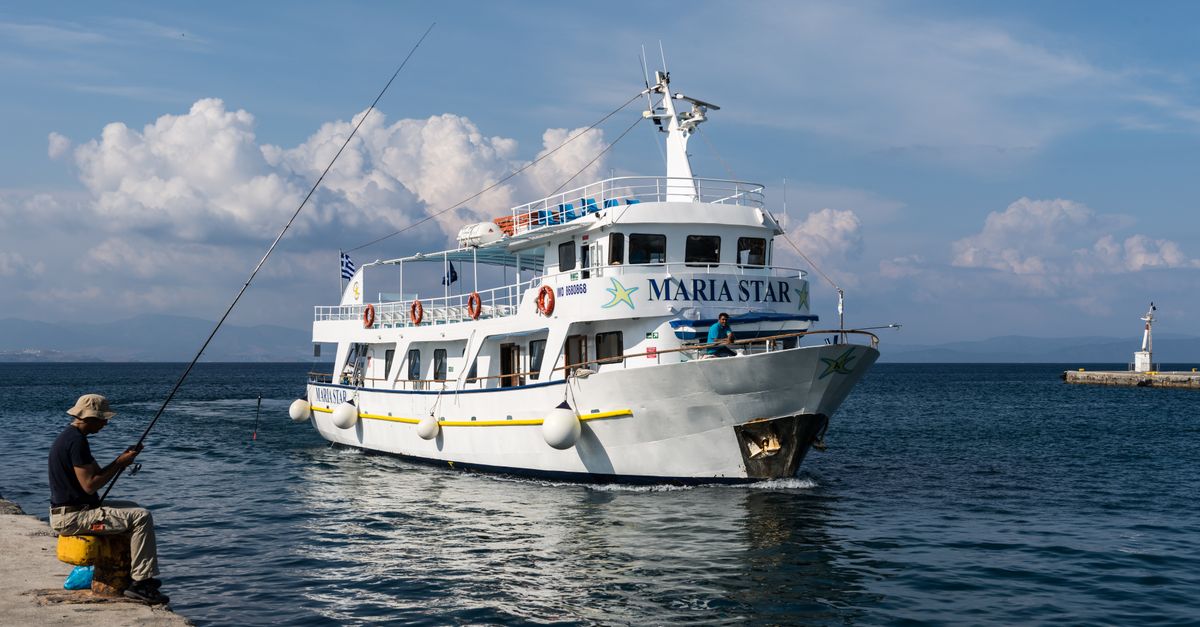
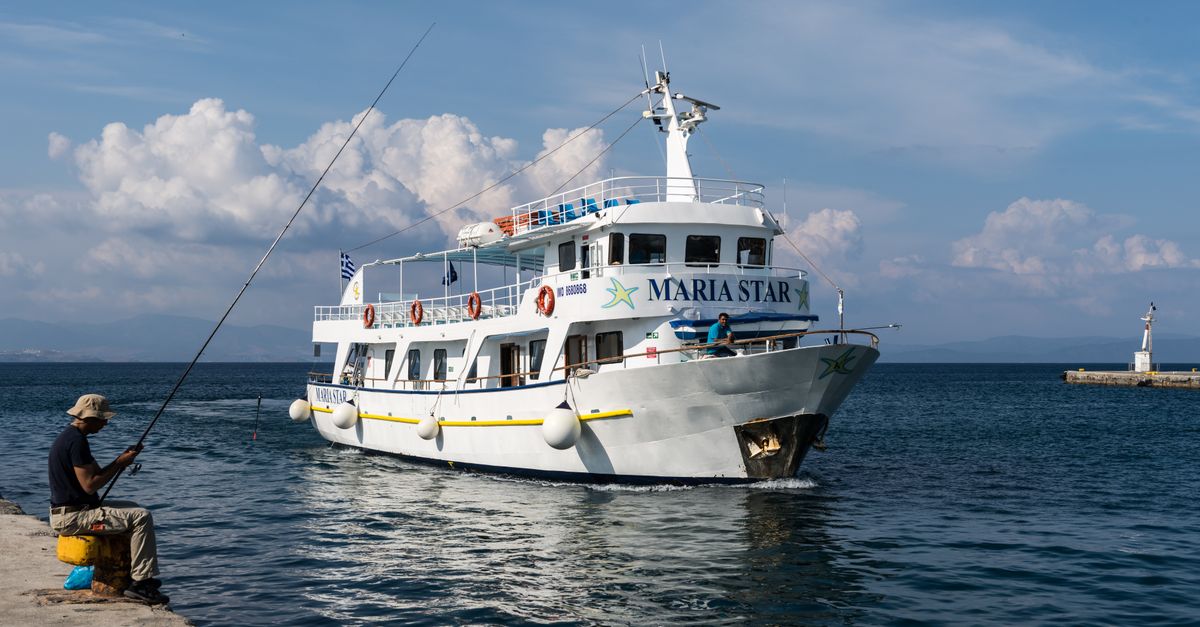
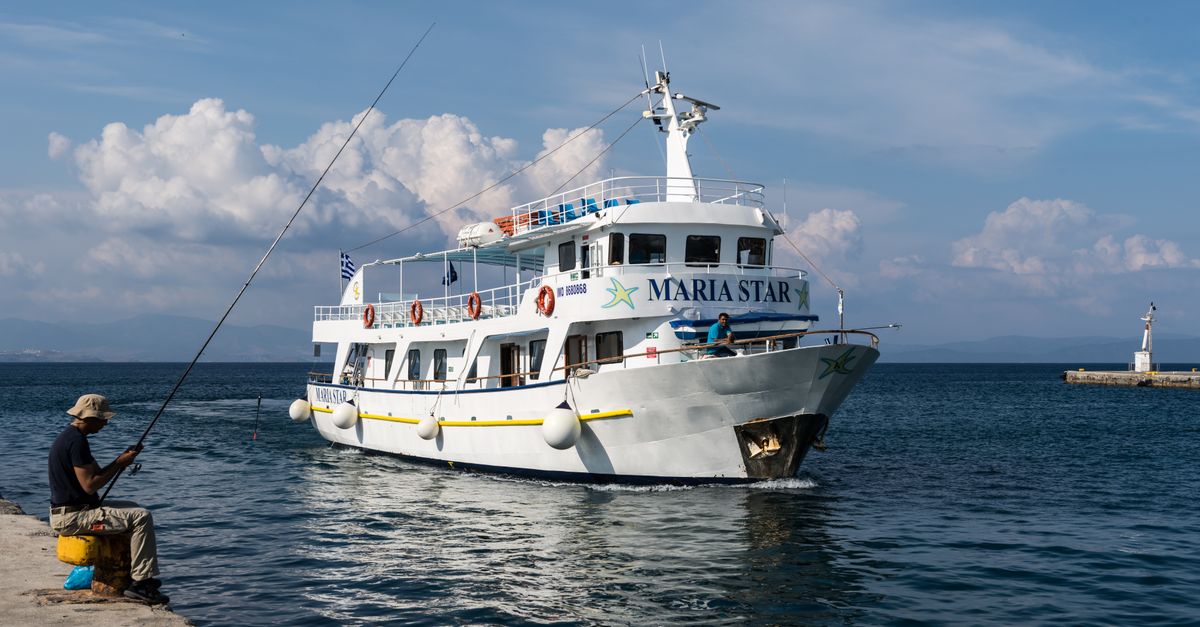
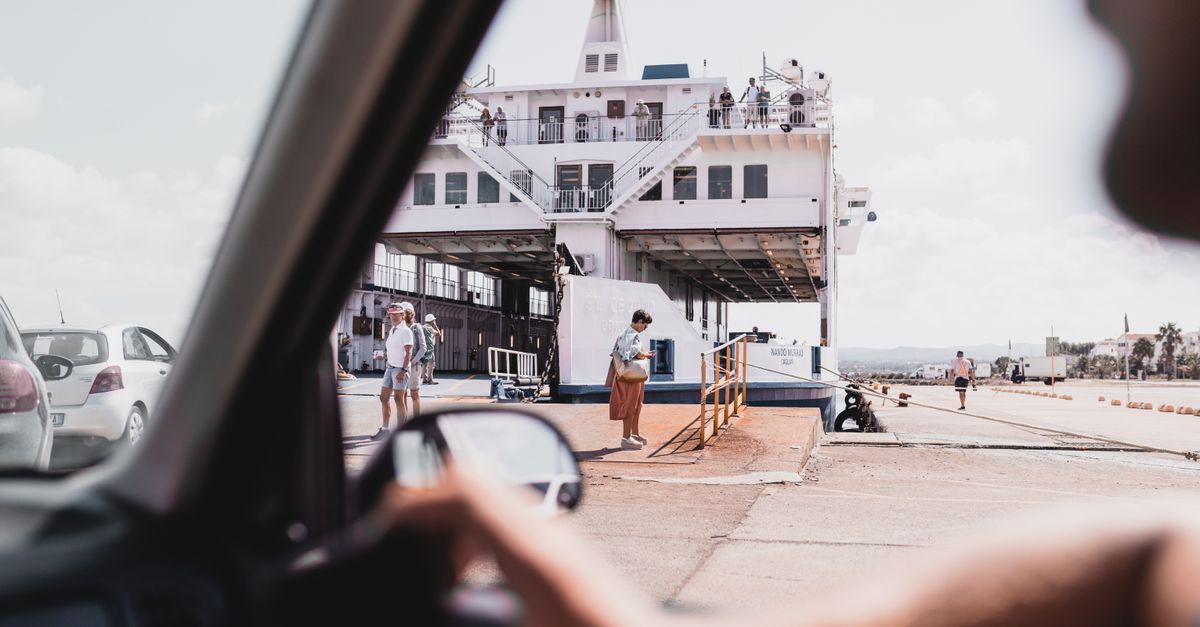
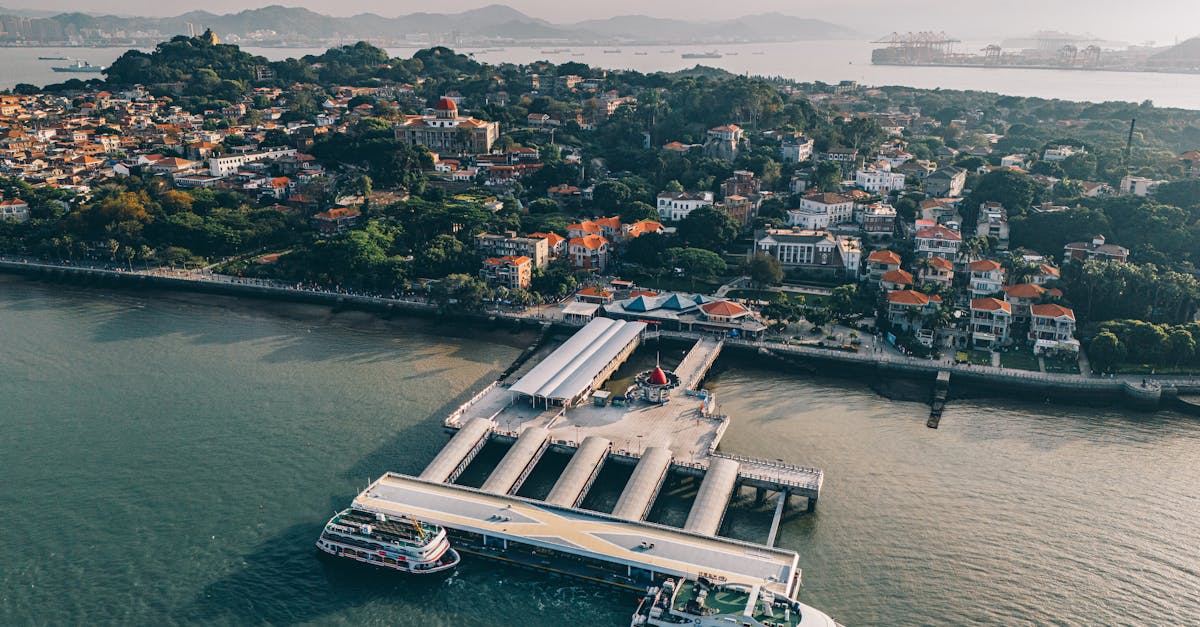
Standing on the deck as the engines rumble to life, the whitewashed coastline of Kos slowly recedes, replaced by the deep blue expanse of the Aegean Sea. I always prefer this approach over any other form of travel—the salt spray in the air, the wind catching my jacket, and the anticipation of a new island coming into view on the horizon. If you are planning a trip from the northern Dodecanese down toward the rocky beauty of Symi, the ferry is the only way to travel if you want to experience the islands the way they were meant to be seen.
Salt spray hits the starboard railing as the port of Kos shrinks behind the wake, leaving the whitewashed town houses and medieval fortifications of the island fading into the Aegean haze. Ahead lies the long, open stretch of blue water leading down to the imposing fortifications of Rhodes. For anyone who prefers travel that moves at a measured pace rather than being crammed into an airport metal tube, this specific Greek island link stands out as a genuine highlight.
The sun hangs low over the Aegean, casting a warm, amber glow across the water as the ferry pulls away from the port of Kos. The air here is different from the mainland; it carries the scent of salt, diesel, and the faint, sweet aroma of jasmine drifting from the nearby streets. I stand near the stern, watching the white-washed buildings of the island recede into the distance. This is not a long, arduous journey across open seas. It is a quick, efficient link between two of the most popular destinations in the Mediterranean. The crossing from Kos to Bodrum is short, sweet, and surprisingly straightforward. For those of us who love the rhythm of ferry travel, even a twenty-minute hop has its own unique charm. It is a reminder that travel is not always about the destination, but also about the transition between places.
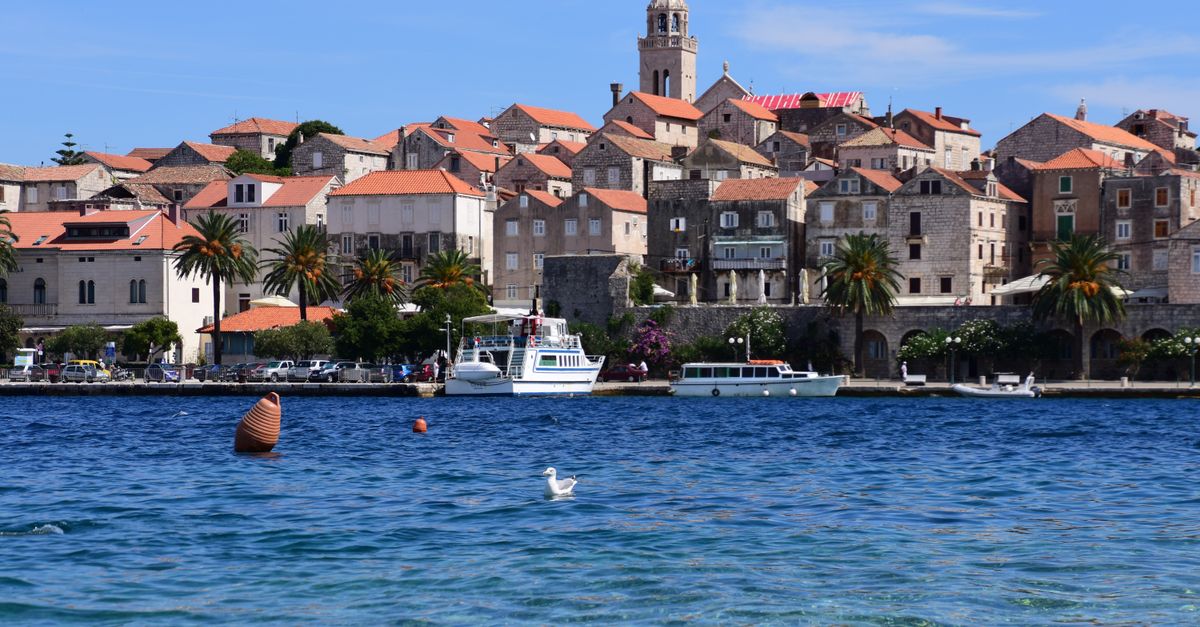
The morning light hits the Adriatic in a specific way when you are standing on the deck of a ferry leaving Korčula. It is not just sunlight; it is a golden haze that seems to hang over the water, turning the deep blue sea into something almost solid. I have crossed this stretch of water many times, and every time, the view of the island receding behind me while the mainland grows larger on the horizon feels like a proper transition between two different worlds. Korčula, with its medieval charm and laid-back island rhythm, is one place. Split, with its Roman ruins and energetic urban pulse, is another. The ferry is the bridge between them, and for me, it is always the preferred way to make that journey.
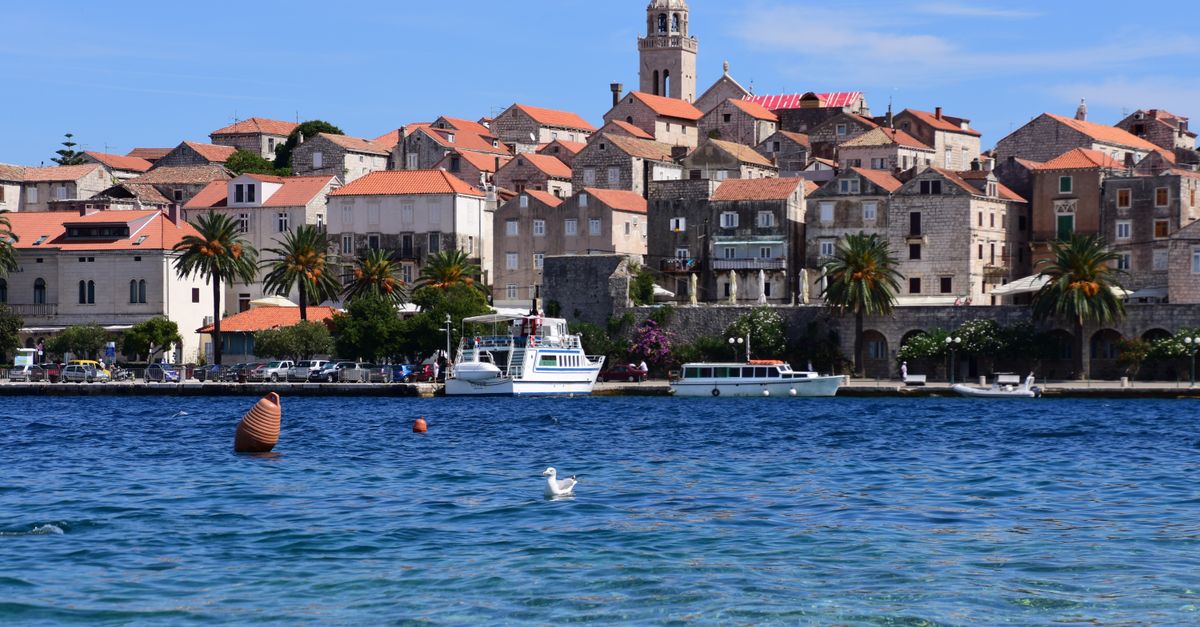
Standing at the Korčula ferry terminal, I watched the morning light hit the stone fortifications of the old town across the water, casting a warm amber glow over the stone walls before the engines rumbled to life. There is a distinct rhythm to traveling by sea along the Dalmatian coast, and this specific run south toward the historic walls of Ragusa remains one of my absolute favorites. Whenever my travels bring me to this part of the Adriatic, I always choose the water over the tarmac.
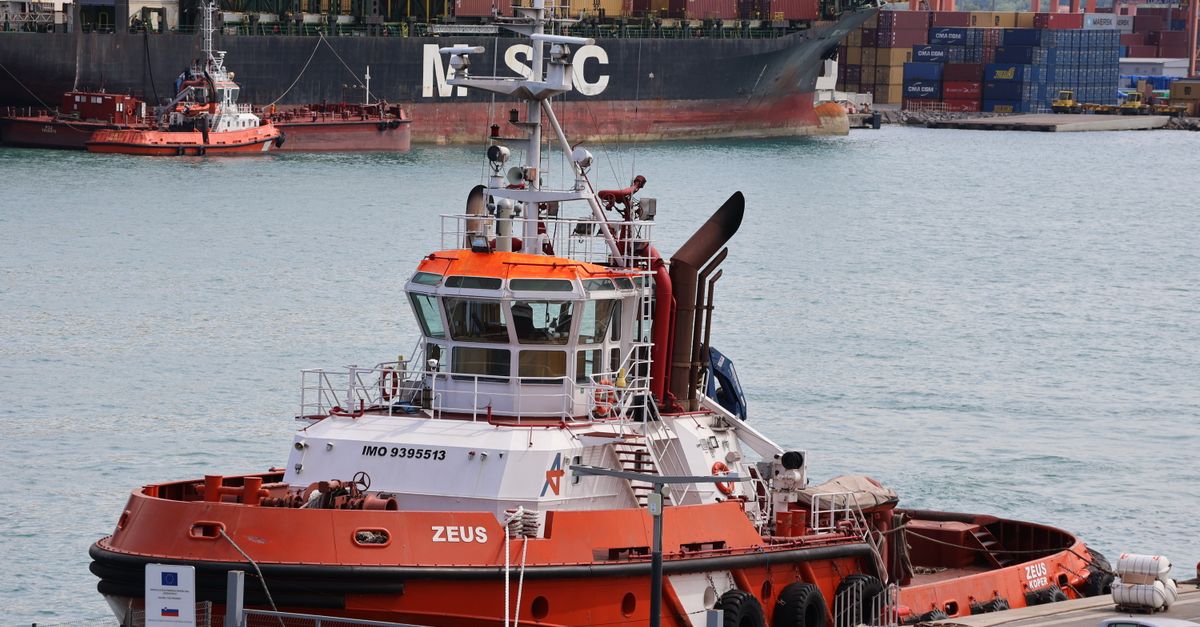
As the ferry pulls away from the industrial edge of the Slovenian coast, the heavy concrete cranes of Koper gradually shrink behind a white wake, leaving open water and the long stretch of the Istrian peninsula ahead. The salt spray hits the outer rails immediately, and the low-slung profile of the Istrian coastline starts to unfold to the port side, showing olive groves and small limestone cliffs rising straight out of the Adriatic.
The morning mist still clings to the Adriatic as I stand on the deck of the ferry leaving Koper. The air is sharp and salty, carrying the distinct scent of the sea that defines Slovenia’s only port city. Below, the historic fortifications of Koper fade into the distance, replaced by the open blue expanse of the Gulf. This is my favorite part of any journey: the transition. There is a specific peace in watching the coastline recede, knowing that within the hour, I will be trading the maritime breeze for the rolling hills and urban energy of Ljubljana. While many travelers rush through transport options, I prefer to savor the crossing itself. For this route, the ferry offers a unique perspective that land-based options simply cannot match, providing a calm, scenic interlude between the coast and the capital.
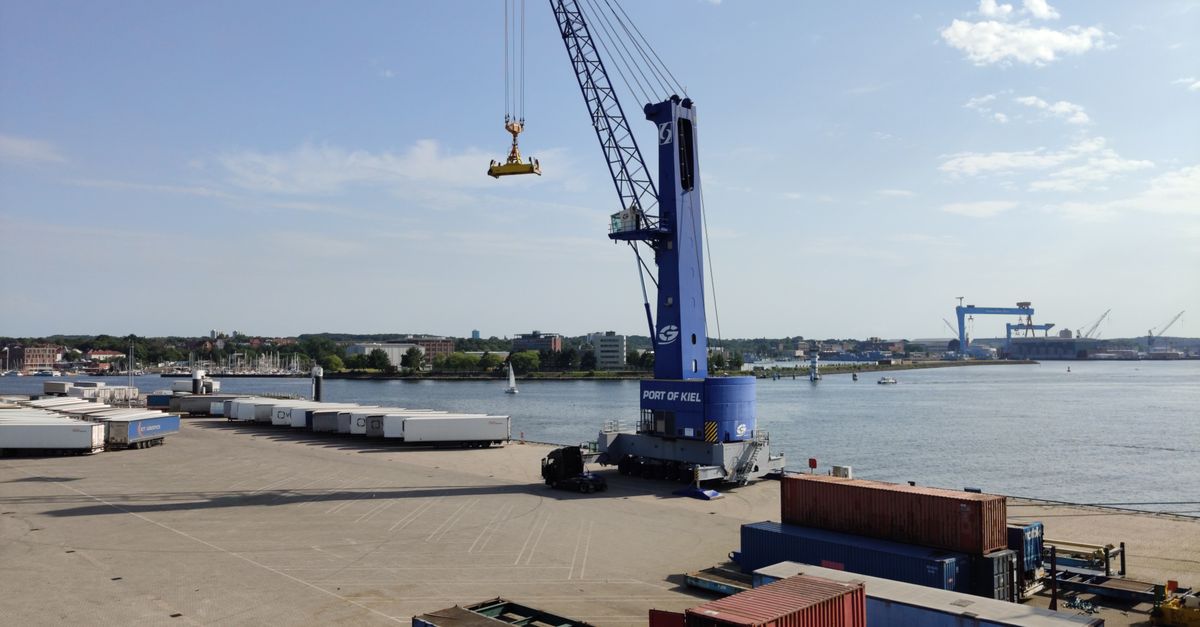
The gray waters of the Baltic Sea stretch toward the horizon, framed by the industrial cranes of Kiel’s port. From the railing, you can see the city skyline receding as the ship pushes away from the dock, leaving a white wake that cuts through the deep blue. There is something about the slow departure from a German port that sets a relaxed pace for the rest of the journey.
The silhouette of Kefalonia recedes into a haze of blue as the ferry pulls away from the pier. Standing at the stern, watching the wake churn the deep Ionian water into a frothy white trail, is the definitive way to transition between these two islands. The air here carries a specific scent—a mix of salt, diesel, and the dry, sun-baked earth of the Mediterranean. As the island shrinks, the looming outline of Zakynthos begins to sharpen on the horizon, promising a shift in topography and pace.
Standing on the outer deck at the Ischia port, the morning sun hits the Aragonese Castle just right, turning the ancient stone a warm golden orange. As the lines are cast off and the vessel slowly reverses away from the pier, the jagged green profile of Ischia begins to shrink behind the churning wake. Ahead lies the wide expanse of the Gulf of Napoli, framed by the distant brooding mass of Mount Vesuvius and the sprawling skyline of the mainland. For anyone who prefers travel that lets you actually see the landscape unfold, this maritime route beats staring at the inside of a tunnel or a cabin wall every single time.