As the rusty hull of the car carrier shifts against the stone quay in L’Île-Rousse, the rusty orange rooftops of the Corsican town slowly fade behind a rising wall of white foam. Standing out on the open deck, the salt spray hits my face as the rugged Balagne coastline shrinks into the distance. This is the moment I live for—watching the jagged peaks of northern Corsica trade places with the endless blue of the Mediterranean Sea. If you want to cross to the French mainland without stepping foot inside an airplane cabin, this sea route is an impressive way to travel. Taking the Ferry From L’Île-Rousse to Toulon
The white paint of the ferry reflects the harsh Greek sun as it sits docked at Kyllini. From the port, the horizon is a flat line of deep blue, broken only by the distant silhouette of the Peloponnese coastline receding as the engines hum to life. There is a specific smell to these ports—a mix of salt spray, diesel, and the faint scent of roasting coffee from the nearby kiosks. As the ramp lifts, the ship slowly pulls away from the concrete pier, leaving the mainland behind for the open waters of the Ionian Sea.
The morning light hits the Ionian Sea differently than you might expect. It is not the blinding white glare of the Mediterranean south, but a softer, greener hue that reflects the dense pine forests of the mainland and the rugged cliffs of the island ahead. Standing on the deck of the ferry as it pulls away from the port of Kyllini, watching the Peloponnese coastline recede behind me, I am reminded why I prefer this mode of travel. There is a specific rhythm to ferry crossings that land transport simply cannot replicate. It is a transition, a moment where the noise of daily life is replaced by the steady hum of the engine and the slap of water against the hull. For those traveling from the Greek mainland to the island of Kefalonia, this short hop is not just a logistical necessity; it is the first chapter of the island experience.
The limestone cliffs of the Bay of Kotor fade into the distance as the vessel pushes out toward the open Adriatic. From the railing, the water shifts from a deep, sheltered navy to a bright, shimmering turquoise. Watching the Montenegrin coastline slip away while the salt spray hits your face is the only way to start this journey. There is something about the rhythm of the engine and the slow reveal of the Dalmatian islands that makes the transit feel like the main event rather than just a gap between cities.
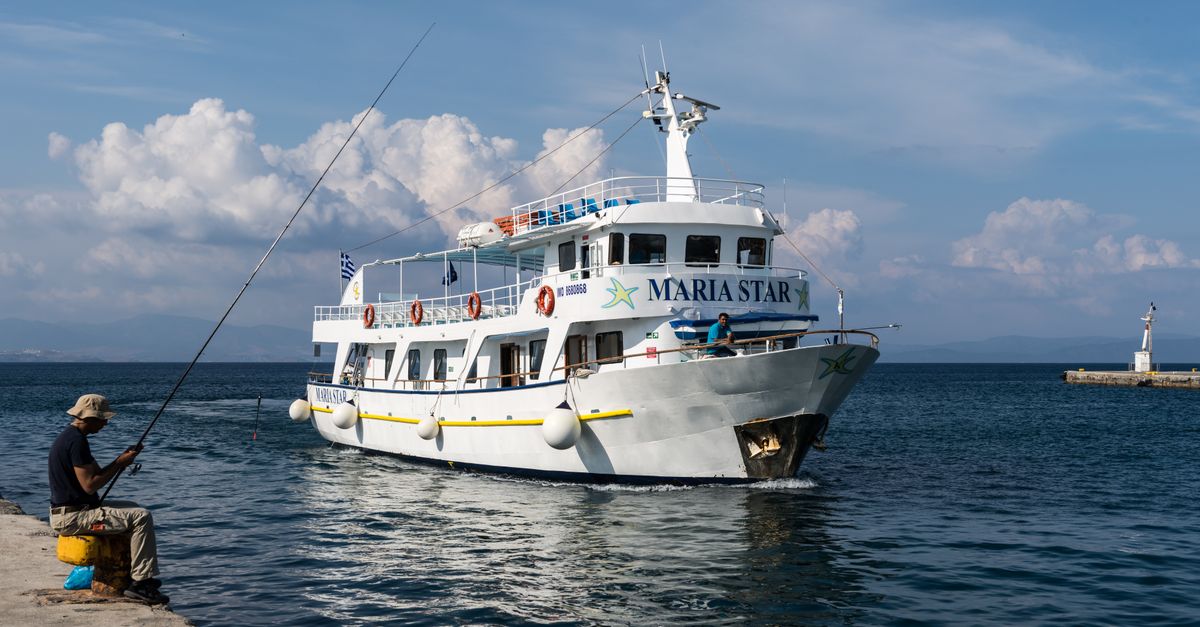
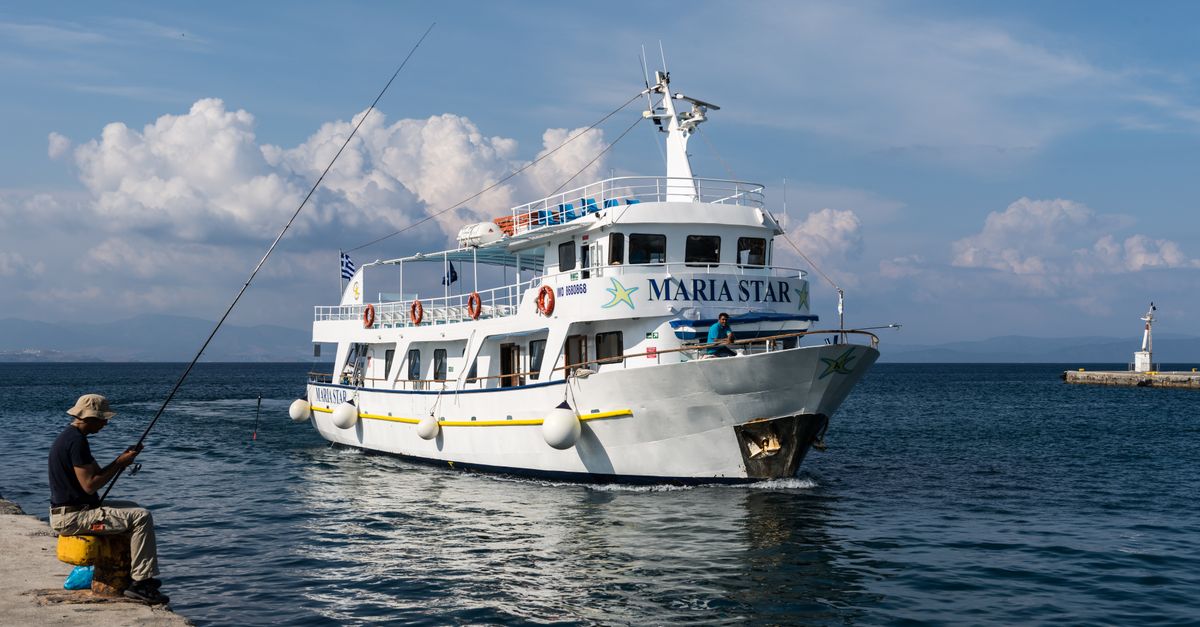
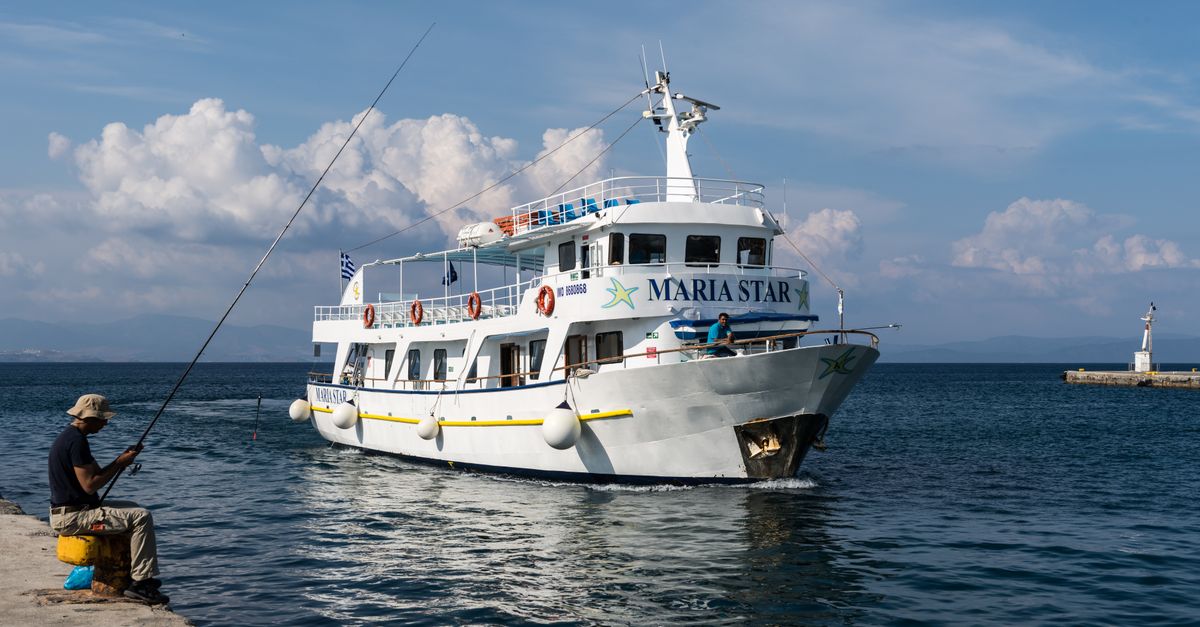
Standing on the deck as the engines rumble to life, the whitewashed coastline of Kos slowly recedes, replaced by the deep blue expanse of the Aegean Sea. I always prefer this approach over any other form of travel—the salt spray in the air, the wind catching my jacket, and the anticipation of a new island coming into view on the horizon. If you are planning a trip from the northern Dodecanese down toward the rocky beauty of Symi, the ferry is the only way to travel if you want to experience the islands the way they were meant to be seen.
Salt spray hits the starboard railing as the port of Kos shrinks behind the wake, leaving the whitewashed town houses and medieval fortifications of the island fading into the Aegean haze. Ahead lies the long, open stretch of blue water leading down to the imposing fortifications of Rhodes . For anyone who prefers travel that moves at a measured pace rather than being crammed into an airport metal tube, this specific Greek island link stands out as a genuine highlight.
The sun hangs low over the Aegean, casting a warm, amber glow across the water as the ferry pulls away from the port of Kos. The air here is different from the mainland; it carries the scent of salt, diesel, and the faint, sweet aroma of jasmine drifting from the nearby streets. I stand near the stern, watching the white-washed buildings of the island recede into the distance. This is not a long, arduous journey across open seas. It is a quick, efficient link between two of the most popular destinations in the Mediterranean. The crossing from Kos to Bodrum is short, sweet, and surprisingly straightforward. For those of us who love the rhythm of ferry travel, even a twenty-minute hop has its own unique charm. It is a reminder that travel is not always about the destination, but also about the transition between places.
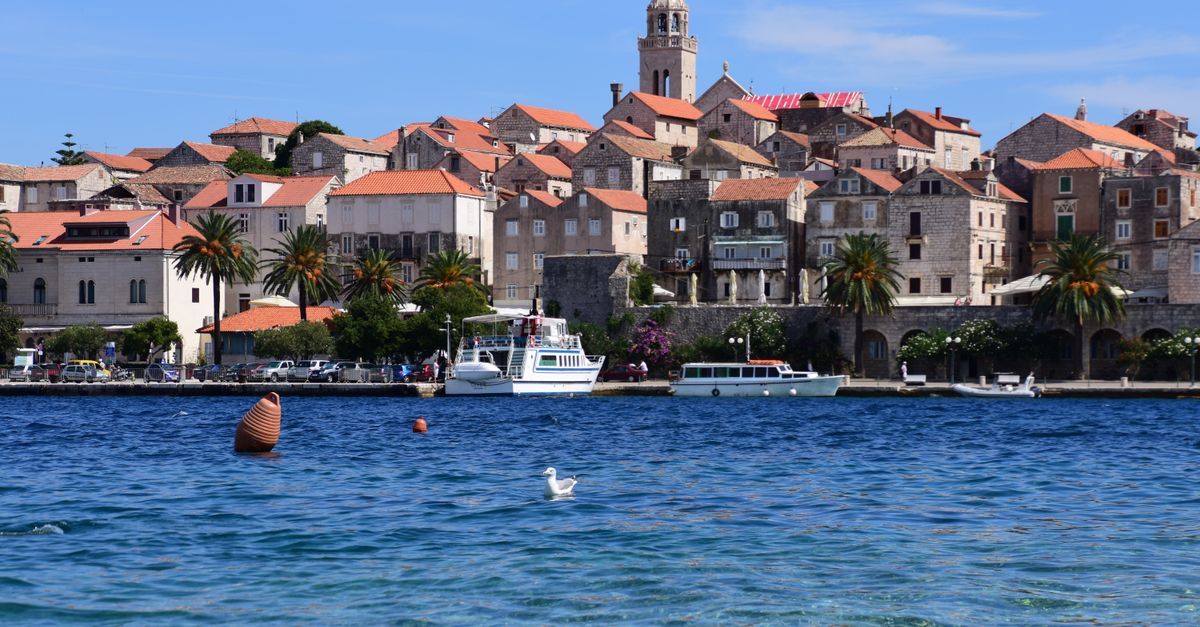
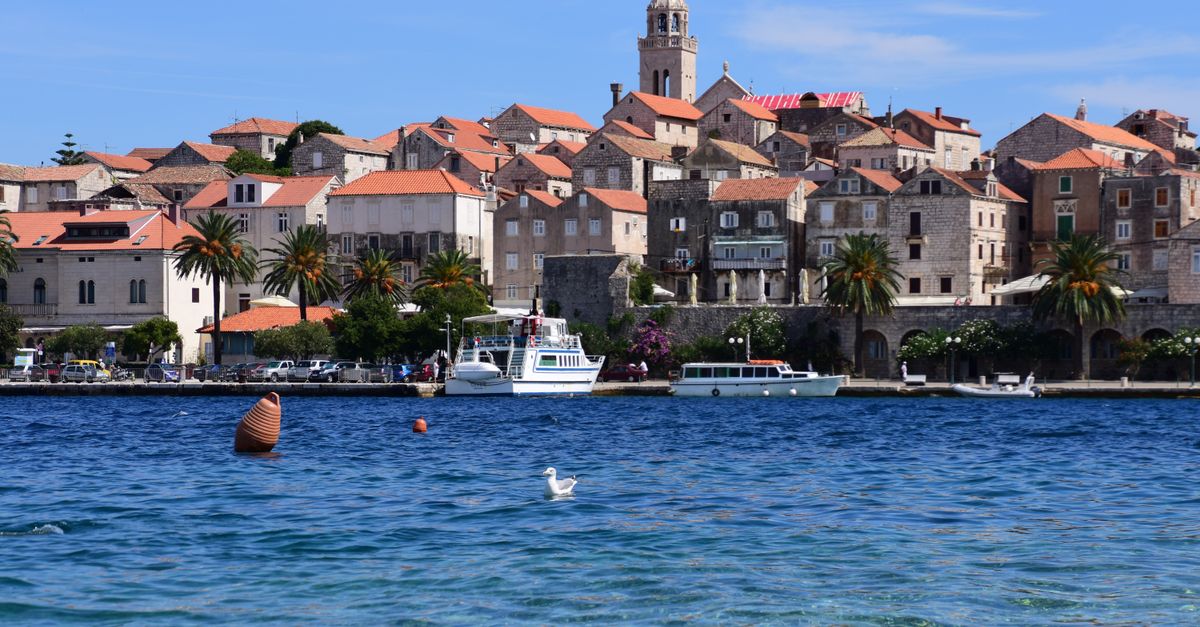
The morning light hits the Adriatic in a specific way when you are standing on the deck of a ferry leaving Korčula. It is not just sunlight; it is a golden haze that seems to hang over the water, turning the deep blue sea into something almost solid. I have crossed this stretch of water many times, and every time, the view of the island receding behind me while the mainland grows larger on the horizon feels like a proper transition between two different worlds. Korčula, with its medieval charm and laid-back island rhythm, is one place. Split , with its Roman ruins and energetic urban pulse, is another. The ferry is the bridge between them, and for me, it is always the preferred way to make that journey.
Standing at the Korčula ferry terminal, I watched the morning light hit the stone fortifications of the old town across the water, casting a warm amber glow over the stone walls before the engines rumbled to life. There is a distinct rhythm to traveling by sea along the Dalmatian coast, and this specific run south toward the historic walls of Ragusa remains one of my absolute favorites. Whenever my travels bring me to this part of the Adriatic, I always choose the water over the tarmac.
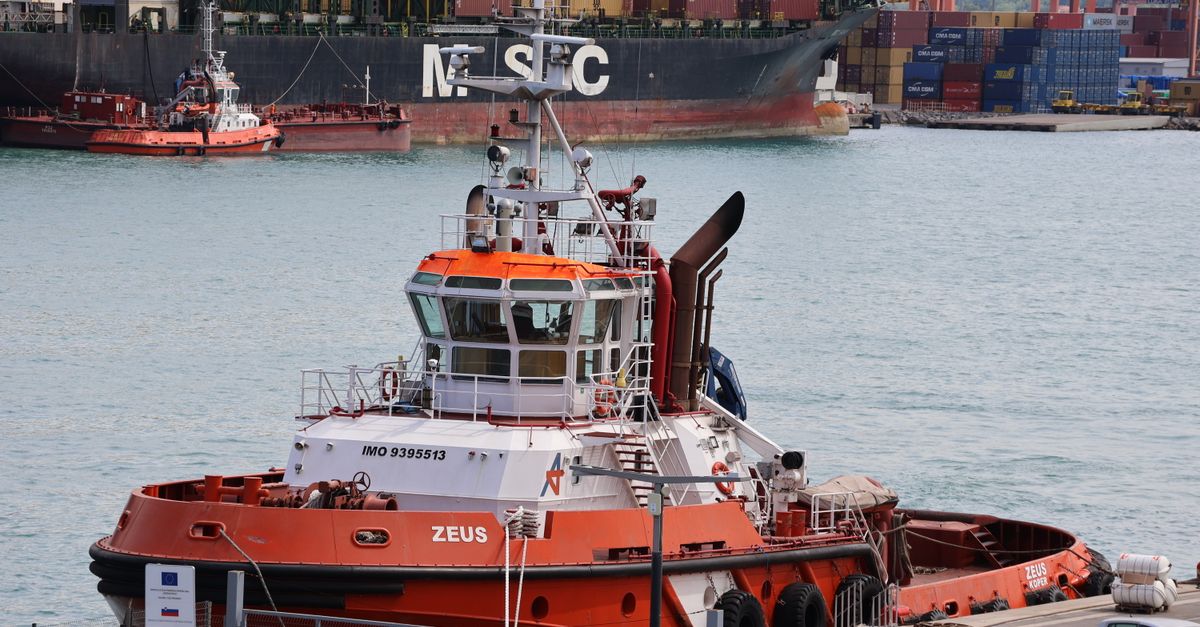
As the ferry pulls away from the industrial edge of the Slovenian coast, the heavy concrete cranes of Koper gradually shrink behind a white wake, leaving open water and the long stretch of the Istrian peninsula ahead. The salt spray hits the outer rails immediately, and the low-slung profile of the Istrian coastline starts to unfold to the port side, showing olive groves and small limestone cliffs rising straight out of the Adriatic.