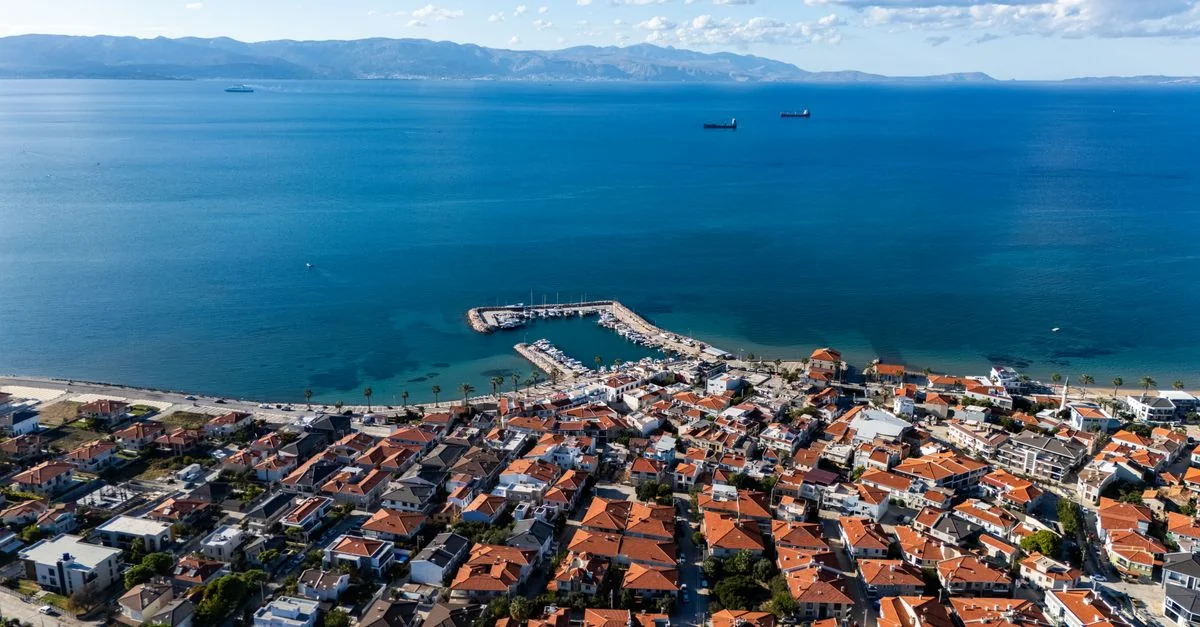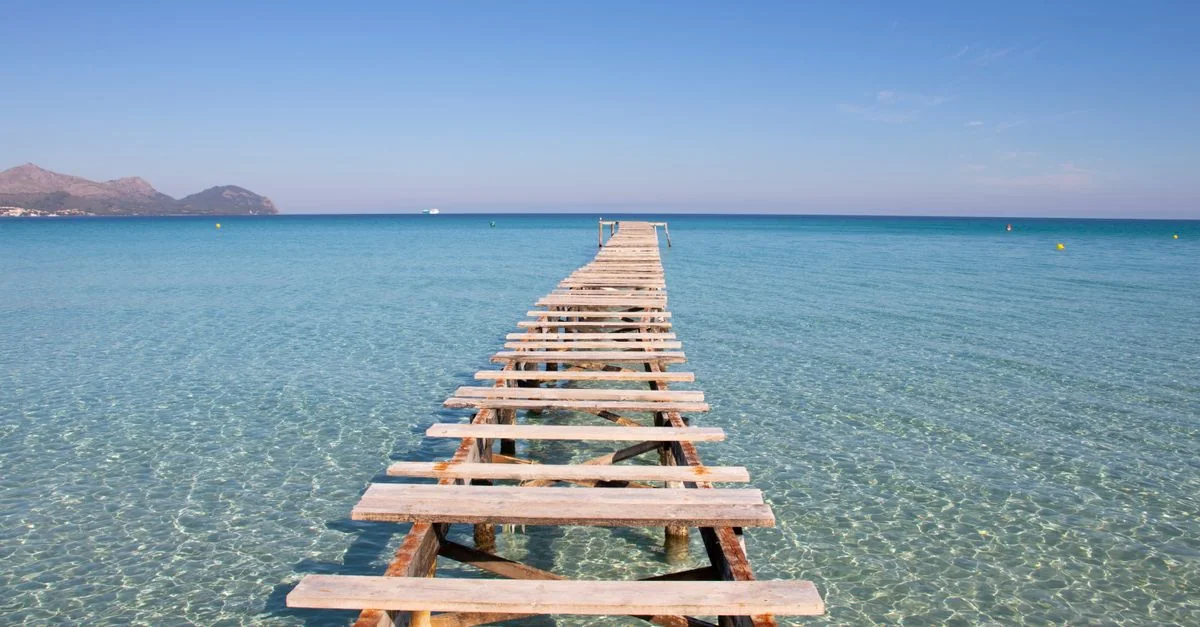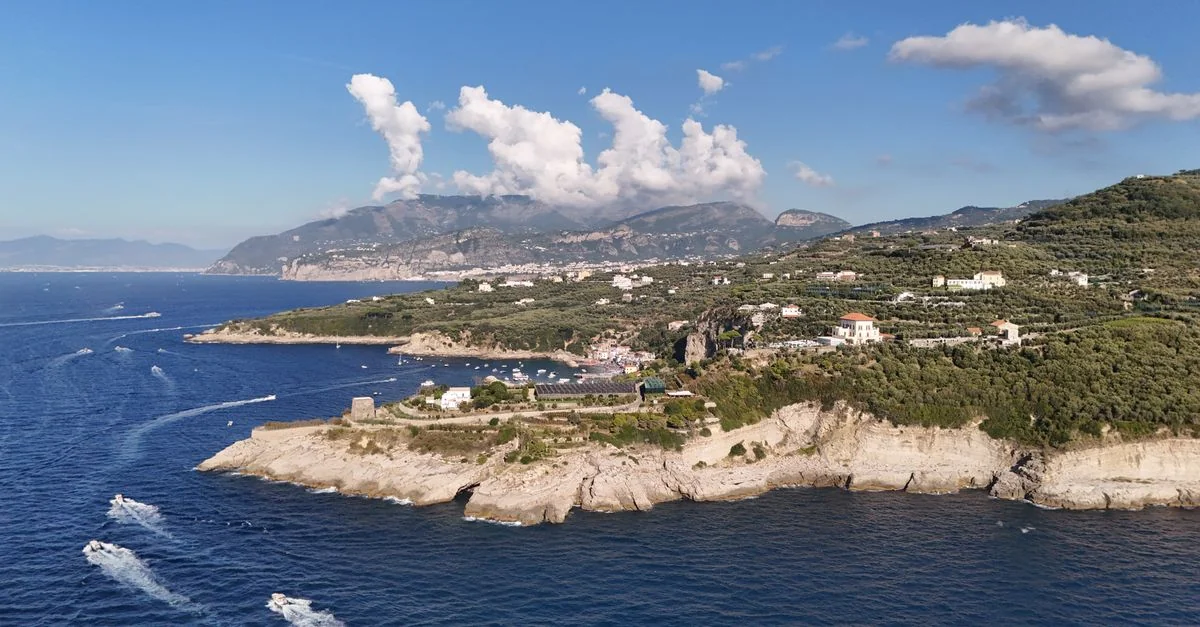
Standing at the edge of the port, watching the water slap against the stone pier, I always feel that distinct thrill that only a sea crossing provides. As the vessel eases away from Piano di Sorrento , the jagged cliffs of the Sorrentine Peninsula slowly recede, their terraced lemon groves and pastel-colored houses stacking vertically into the Mediterranean sky. Within moments, the open expanse of the Gulf of Naples stretches out before you, with the iconic silhouette of Capri growing larger on the horizon. For anyone who prefers travel where the transit itself forms the best part of the itinerary, this short maritime link remains an absolute favorite of mine. Taking the Ferry From Piano di Sorrento to Capri # When it comes to crossing the water here, the ferry stands as the definitive champion among transport choices. Because we are dealing with a direct sea route over open water, traveling by vessel is not merely a practical way to get from point A to point B; it is the primary way to experience the geography of this dramatic coastline.
Standing on the quayside as the ferry maneuvers into position, the salty Ionian air mixes with the scent of diesel and pine. Watching the ramp lower against the concrete pier is always my favorite part of the journey. The light hits the water around the harbor in shades of deep indigo and turquoise, signaling the start of another slow-travel sea crossing. Taking the Ferry From Paxos to Kefalonia # When it comes to island hopping in Greece , traveling by sea is the only way to truly understand the geography of the Ionian archipelago. Moving between Paxos and Kefalonia gives you a proper maritime passage rather than a quick hop.
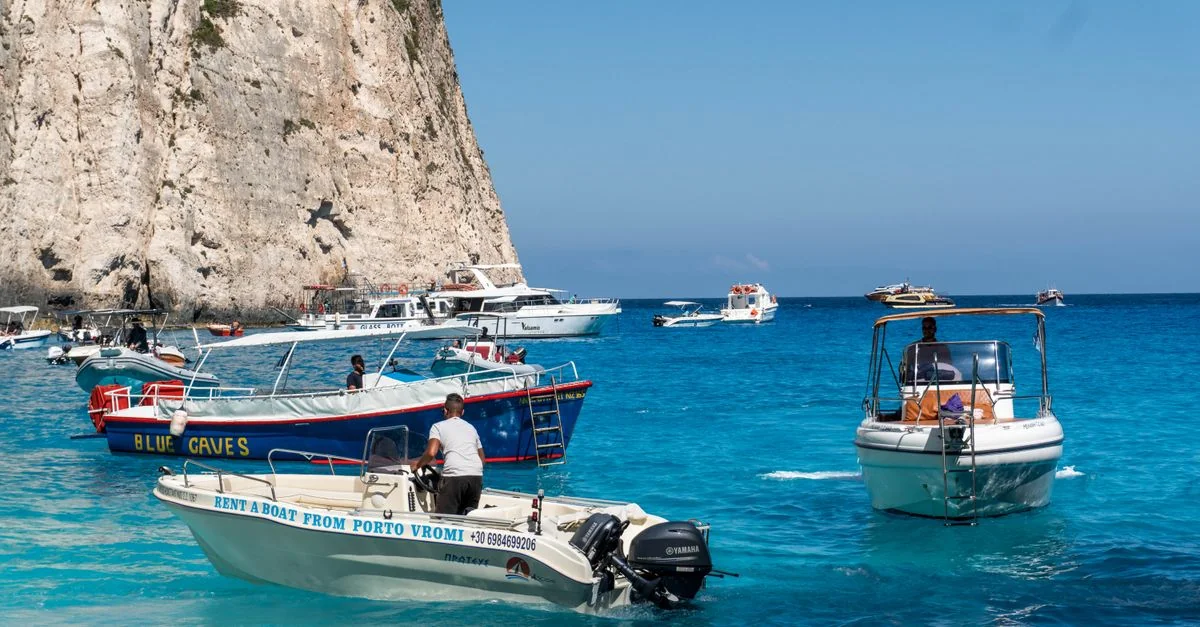
Standing on the busy docks of Patras, the salty Peloponnesian wind carries the low hum of heavy diesel engines warming up for departure. Ahead lies the Ionian Sea, a stretch of deep blue water separating the Greek mainland from the islands. As the vehicle ramp lifts and the lines are cast off, the mainland slowly recedes, replaced by the open horizon toward Zakynthos. For anyone who prefers slow travel over cramped airports, this maritime route remains one of my absolute favorite ways to cross the water. Taking the Ferry From Patras to Zakynthos # When it comes to crossing between Patras and Zakynthos, taking to the water is the only route supported by the data for this specific journey. The crossing takes 1h 15m.
Stepping onto the deck as the ferry pulls away from Patras, the noise of the Peloponnese traffic fades immediately, replaced by the deep hum of the engine and the wide-open salt air of the Ionian Sea. I always prefer this unhurried approach to island travel over any other method. Standing at the railing, you watch the coastline recede, the Peloponnesian mountains slowly shrinking behind you while the blue expanse opens up ahead. Taking the Ferry From Patras to Kefalonia # When planning a trip across the Ionian, taking the ship is the only sensible route for travelers who appreciate the journey as much as the destination. The crossing from Patras to Kefalonia takes 1h 30m.
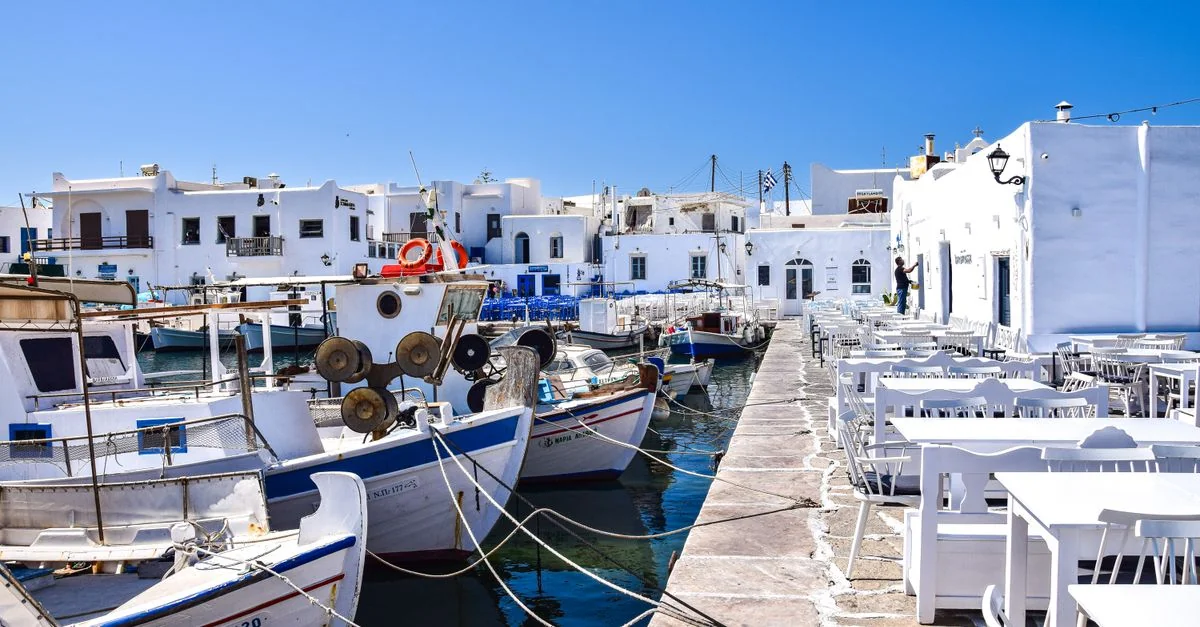
Standing at the port of Paros as the morning sunlight hits the whitewashed Cycladic cubism of Naoussa and Parikia, the heavy rumble of diesel engines signals the arrival of the morning vessel. Ferry travel in the Greek islands remains one of my absolute favorite ways to move across the water, trading the sterile, windowless corridors of modern airports for the salt spray on deck and the shifting blue expanse of the Aegean Sea. When it comes to crossing south from the central Cyclades down to the massive shores of Crete, watching the island wake up from the ferry rail is a ritual I never skip. Taking the Ferry From Paros to Crete # Choosing the ferry for this specific route keeps your journey grounded in the actual landscape of Greece rather than above the clouds. The maritime connection from Paros to Crete takes 3h 30m of steady sailing across open water. While some travelers automatically default to flying, looking at the numbers reveals why the sea route holds its own appeal. The ferry ticket costs $81, making it a competitive option when you factor in baggage fees and airport transfers.
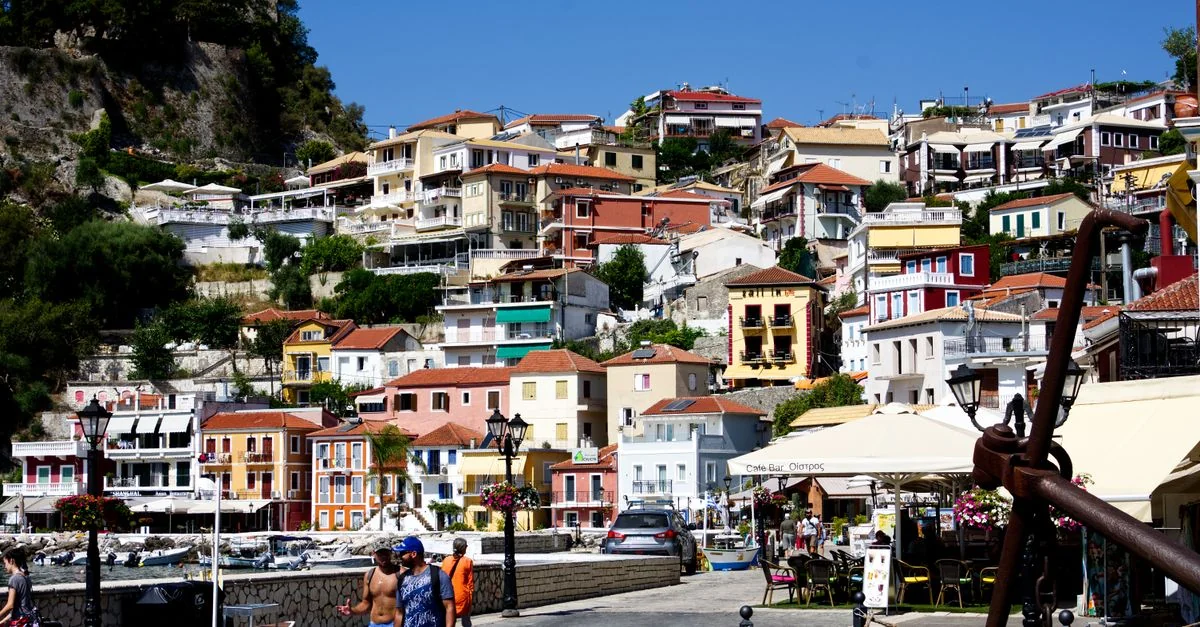
Watching the colorful houses of Parga recede into the distance as the boat pulls away from the quay is the best way to start a morning. The Ionian Sea opens up, revealing the deep blue expanse that separates the mainland from the island of Corfu . From the stern, the jagged coastline of Epirus slowly flattens, while the silhouette of Corfu begins to dominate the horizon. There is a specific rhythm to this crossing that you simply do not get when traveling by land. Taking the Ferry From Parga to Corfu # The ferry crossing from Parga to Corfu is a straightforward journey that prioritizes efficiency and scenery. The transit takes exactly 50 minutes. This is a short trip, making it an ideal way to bridge the gap between the mainland and the island without the fatigue of a long drive or a complex transit schedule.

The sight of the Palma de Mallorca port at dawn is something I never tire of. As the morning light hits the cathedral, the massive hull of the ferry looms against the harbor wall, a steel giant waiting to carry passengers across the Mediterranean. There is a specific rhythm to the port—the sound of heavy chains, the hum of engines warming up, and the steady stream of travelers walking up the gangway. Leaving the island by sea offers a perspective you simply cannot get from a runway; you watch the Balearic coastline shrink into the horizon, replaced by the deep, open blue of the sea. Taking the Ferry From Palma de Mallorca to Nice # Choosing the ferry over other modes of transport is a decision to prioritize the journey itself. The crossing from Palma de Mallorca to Nice takes 13h 30m. While this is significantly longer than other methods, it transforms the transit into a period of rest. You are not confined to a narrow seat with limited legroom; you have the freedom to pace the decks, sit in a lounge, or watch the waves.
The morning light hits the limestone cliffs of Palma as the ship pulls away from the quay. Watching the cathedral shrink into the distance while the open expanse of the Balearic Sea stretches toward the horizon is a specific kind of satisfaction. There is a rhythmic hum from the engines that signals the start of a journey, a transition from one island to another that feels far more intentional than a quick flight. As the coastline of Mallorca fades, the deep blue water takes center stage, preparing you for the arrival at the quieter, rugged shores of Menorca . Taking the Ferry From Palma de Mallorca to Menorca # The ferry crossing between Palma de Mallorca and Menorca is a straightforward transit that prioritizes utility and speed. The journey takes 1h 0m. When you consider the time spent navigating airport security, waiting at gates, and dealing with luggage restrictions, the ferry often proves to be the more relaxed way to traverse this distance.
Standing at the railing in the Balearic morning, watching the Palma de Mallorca skyline recede as the engines hum to life beneath my boots, I am reminded why slow maritime transit beats flying every single time. The white walls of the old town and the masts of moored yachts slowly shrink against the limestone backdrop of the Tramuntana mountains, offering a final, lingering look at the island before the open Mediterranean takes over. Taking the Ferry From Palma de Mallorca to Marseille # Choosing the sea route over the clouds means trading speed for genuine maritime transit. The ferry crossing between Palma de Mallorca and Marseille takes 13h 30m. It is a substantial journey across the open western Mediterranean, requiring you to settle in and adapt to the rhythm of shipboard life.
Salt spray clings to the air at the Palma de Mallorca ferry terminal as the massive stern doors close and the vessel begins its slow, measured rotation away from the Balearic quayside. As the harbor wall slips astern, the jagged limestone cliffs of Mallorca’s southern coast slowly give way to the open, deep-blue expanse of the Mediterranean. Crossing between these two iconic islands by sea offers a perspective you simply miss from thirty thousand feet in the air. For years, I have crossed this stretch of water whenever my travels bring me to the Balearics. There is a distinct rhythm to maritime travel here, watching the urban silhouette of Palma fade into a thin line on the horizon before the distant, pine-clad hills of Ibiza eventually rise to meet the bow. If you prefer your transit with a side of sea breeze and horizon views rather than airport security lines, taking the boat is the only way to go.