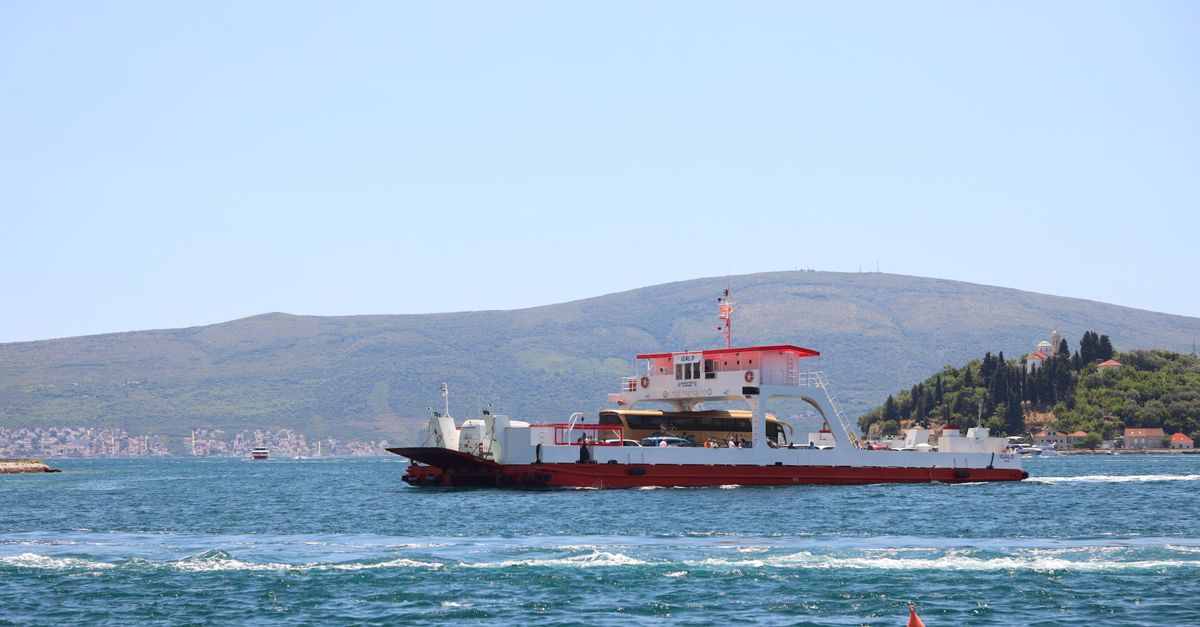
The first thing that hits you as you step onto the pier at Stari Grad is the gentle sway of the water and the low hum of the ferry’s engines. Boats bobbing in the harbor create a rhythm that matches the sunrise over the Dalmatian coastline. From the deck, the old stone walls of Stari Grad’s town fade into a line of pine‑crowned hills, while the sea stretches toward the distant silhouette of Split’s harbor. It’s a scene that sets the tone for a short but rewarding crossing. Taking the Ferry From Stari Grad to Split # The ferry runs a single, direct route between Stari Grad and Split. The schedule lists a travel time of 55 minutes and a fare of $5 per passenger. Tickets are sold both at the Stari Grad ticket office and online through a simple booking portal (the link is provided on the operator’s website).

The morning light hits the water in Split’s harbor, turning the deep blue of the Adriatic into a shimmering canvas of silver and turquoise. I stand near the railing of the terminal, watching the city’s historic Riva promenade fade into the distance as the vessel begins its slow pull away from the dock. There is a specific kind of quiet that settles over a ferry deck once the engines catch a steady rhythm. It is not the silence of emptiness, but the comfortable hush of a journey in progress. For those who have spent years hopping between islands and coastal cities, this transition from land to sea is the moment the trip truly begins. The air smells of salt and diesel, a familiar cocktail for anyone who has made a living or a hobby out of crossing open water. This route, connecting the Croatian coast to the Montenegrin border, is one of the more interesting segments in the region. It bridges two distinct yet culturally similar worlds. While many travelers rush through this leg of their itinerary, taking the time to understand the logistics and the experience of the crossing can make the difference between a stressful transit and a memorable part of the vacation. I have taken this crossing multiple times, in different seasons and with different operators, and I can tell you that the water here is generally forgiving, though it is not without its character.

The morning light hits the Adriatic in a way that only happens when you are already on the water. Standing on the open deck of the ferry departing Split, the city behind me dissolves into a blur of white stone and terracotta roofs, while ahead, the horizon stretches out uninterrupted. There is a specific kind of calm that settles over you when the propellers cut through the water and the engine hum becomes a constant, low-frequency background noise. This is the moment the journey begins, not with a jolt or a sudden acceleration, but with a steady, rhythmic pull toward the next destination. For those of us who prefer the slow, deliberate pace of maritime travel, the route from Split to Budva offers a compelling alternative to the faster, more compressed options available. It is a crossing that rewards patience and provides a unique perspective on the Dalmatian coast that no other mode of transport can replicate. Taking the Ferry From Split to Budva # The direct connection between Split and Budva is a significant undertaking, spanning 3h 40m. This duration is not a quick hop; it is a substantial block of time that requires planning. The fare for this crossing is $39, which places it in a very competitive price bracket compared to other long-distance travel options in the region. When you board in Split, you are leaving a major hub with a well-organized port infrastructure. The terminal is busy, but the process is straightforward. You will need to have your ticket and identification ready before you reach the gate. The vessel itself is designed for this kind of medium-to-long distance crossing, meaning it is equipped with amenities that support comfort over several hours.
Standing on the terminal deck, the scent of salt air mixes with the hum of the engine, signaling the start of another maritime journey. As the vessel pulls away from the pier, the mainland coastline stretches out into the distance, offering an immediate sense of release that only a sea crossing can provide. For travelers moving between these points, choosing how to traverse the distance defines the entire travel experience. Taking the Ferry From Mostar to Split
The view from the Milna waterfront is defined by the gentle bobbing of masts against the backdrop of stone houses that climb the hillside. As the ferry approaches the quay, the water churns into a frothy white wake, signaling the start of a short, efficient transit across the Brač Channel. Watching the island of Brač recede while the jagged skyline of Split draws closer is the most satisfying way to transition from the quiet pace of village life to the urban energy of the mainland. Taking the Ferry From Milna to Split
The limestone cliffs of the Bay of Kotor fade into the distance as the vessel pushes out toward the open Adriatic. From the railing, the water shifts from a deep, sheltered navy to a bright, shimmering turquoise. Watching the Montenegrin coastline slip away while the salt spray hits your face is the only way to start this journey. There is something about the rhythm of the engine and the slow reveal of the Dalmatian islands that makes the transit feel like the main event rather than just a gap between cities.
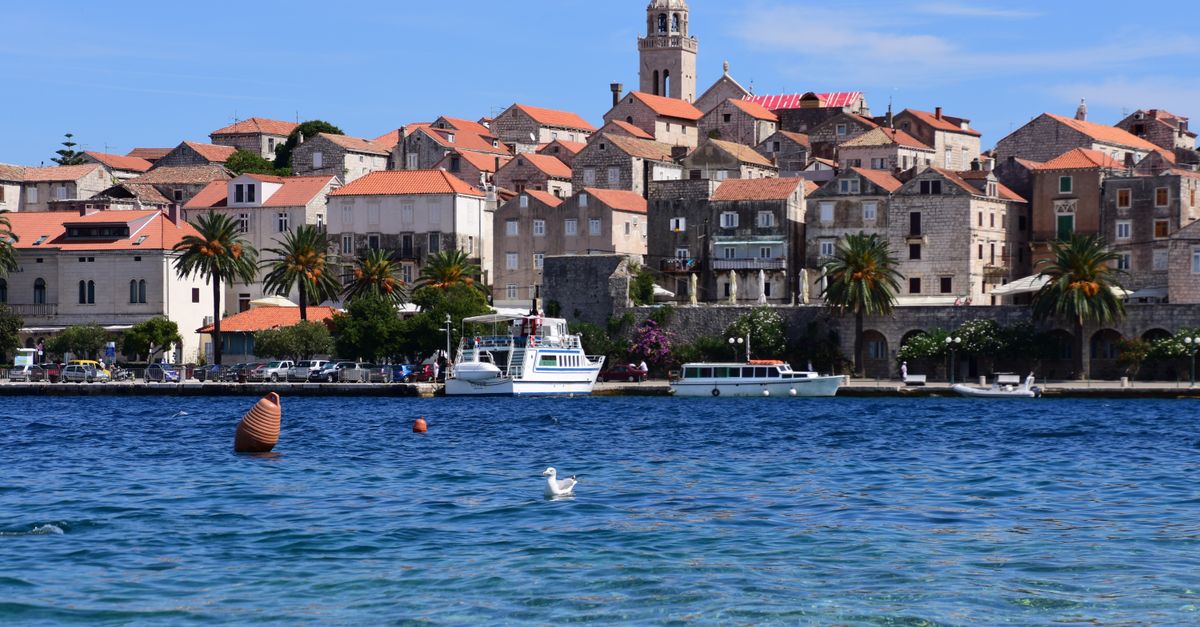
The morning light hits the Adriatic in a specific way when you are standing on the deck of a ferry leaving Korčula. It is not just sunlight; it is a golden haze that seems to hang over the water, turning the deep blue sea into something almost solid. I have crossed this stretch of water many times, and every time, the view of the island receding behind me while the mainland grows larger on the horizon feels like a proper transition between two different worlds. Korčula, with its medieval charm and laid-back island rhythm, is one place. Split, with its Roman ruins and energetic urban pulse, is another. The ferry is the bridge between them, and for me, it is always the preferred way to make that journey.