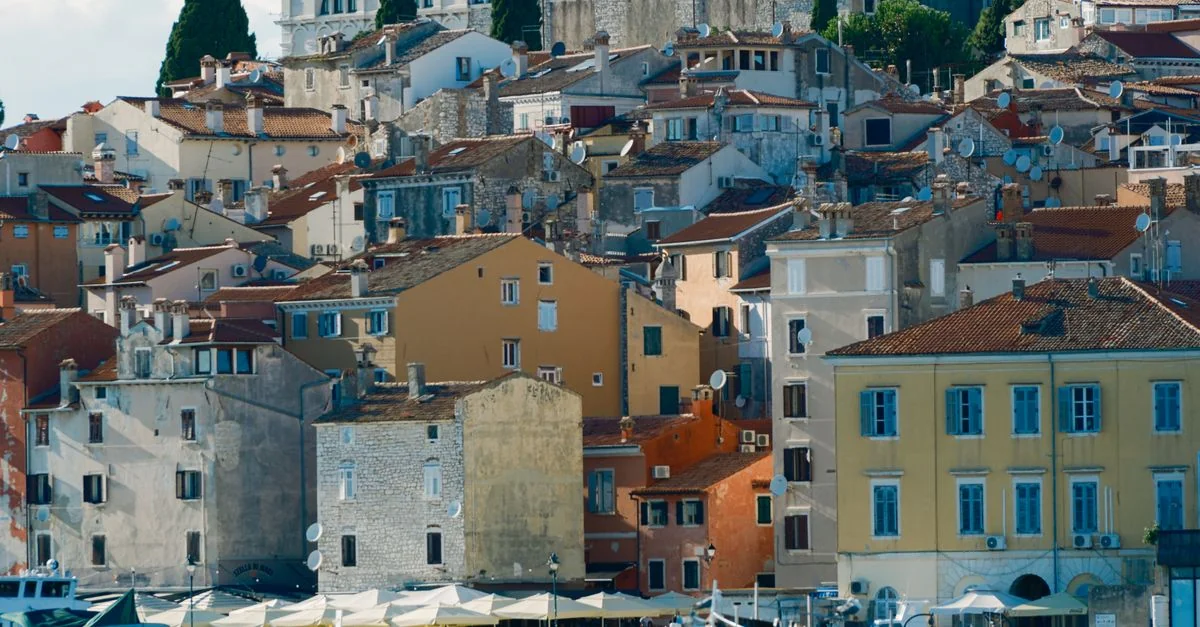
The moment the ferry docks at Rovinj, you’re greeted by the scent of saltwater and the sound of waves lapping against the pier. The town’s colorful buildings, perched on a hill, seem to reach out towards the horizon, while the ferry cuts through the calm waters of the Adriatic Sea. This is a ferry route that promises a unique blend of history, culture, and scenic beauty, making it a journey worth every penny. Taking the Ferry From Rovinj to Trieste # Stepping onto the ferry, you’re immediately struck by the sense of adventure. The ferry is a small vessel, designed to navigate the narrow straits between the Italian and Croatian coasts. The journey from Rovinj to Trieste takes approximately 50 minutes, offering a quick escape from the busy port town.
The moment you step onto the ferry from Pula , you’re greeted by the Adriatic Sea stretching out before you. The ferry terminal in Pula is a busy hub of activity, with passengers from various countries boarding and disstarting. The sea is calm, reflecting the clear blue sky, and the scent of saltwater fills the air. It’s a sight that sets the tone for the journey ahead. Taking the Ferry From Pula to Trieste # Taking the ferry from Pula to Trieste is a straightforward process. The journey takes approximately 50 minutes, and the ferry offers a comfortable and efficient way to travel between these two cities. The ferry departs from the Pula ferry terminal, which is easily accessible from the city center. The terminal is well-organized, with clear signage and helpful staff to guide you.
The moment I stepped onto the ferry from Portorož, I was greeted by the sight of the Adriatic Sea stretching out before me. The ferry was a small, comfortable vessel, and as we set sail, I could see the coastline of Slovenia slipping away behind us. The ferry route from Portorož to Trieste is a short but scenic one, offering a glimpse of the diverse landscapes that the Adriatic Sea has to offer. Taking the Ferry From Portorož to Trieste # The ferry from Portorož to Trieste is a convenient and efficient way to travel between these two coastal cities. The journey takes approximately 40 minutes, and the ferry departs from the Portorož ferry terminal. The terminal is well-organized, with clear signs and staff ready to assist. I arrived a bit early, which gave me plenty of time to find my way around and settle in before the ferry departed.
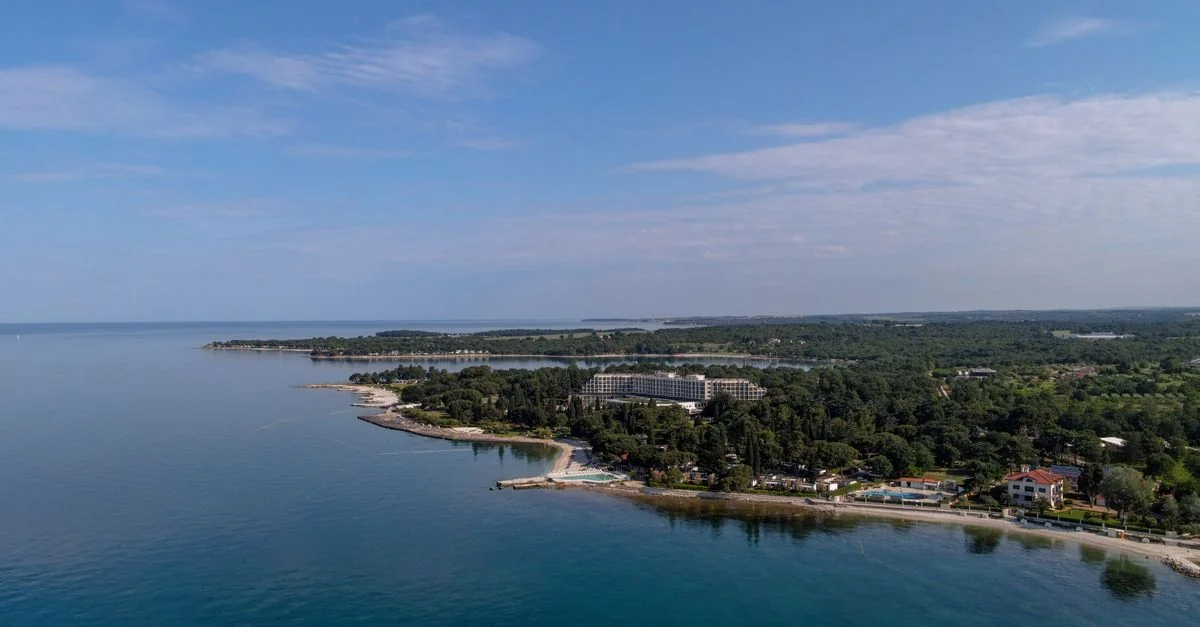
Salt spray hits the glass of the observation windows as the coastline of Istria slowly recedes, the bell towers and Venetian-style facades of Poreč shrinking into the distance as the vessel cuts a clean white wake across the northern Adriatic toward Italy . I have always preferred maritime routes over highway asphalt, and this particular voyage offers one of the most efficient and scenic transitions between countries in the region. Taking the Ferry From Poreč to Trieste # Choosing the maritime route across the Gulf of Trieste transforms a standard transit day into a coastal excursion. As the vessel pulls away from the Poreč terminal, passengers get an expansive view of the Poreč peninsula, highlighting the historic old town and the Euphrasian Basilica from the water—an angle entirely missed by those traveling overland.
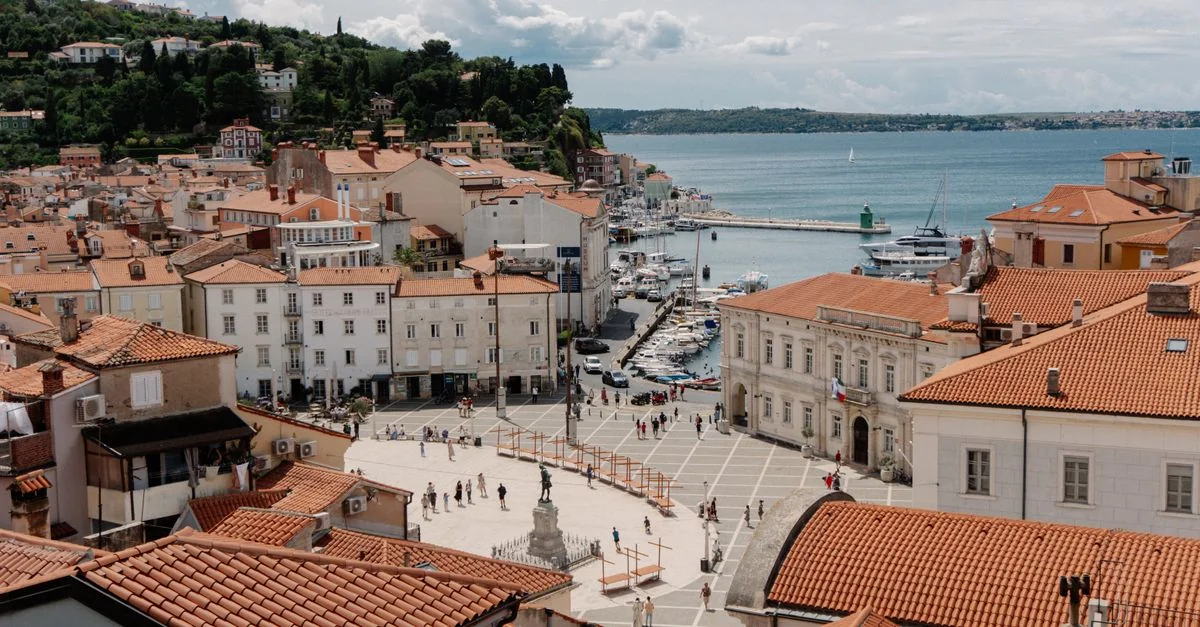
The limestone cliffs of the Slovenian coast slowly fade into the distance as the vessel pulls away from the old salt-pans and Gothic architecture of Piran, leaving a white wake across the Gulf of Trieste . Looking back from the open deck, the slender bell tower of St. George’s Parish Church shrinks against the blue expanse of the Adriatic, setting the stage for a quick maritime transit to Italy . As someone who tracks ferry schedules across the Mediterranean with obsessive precision, I always prefer water over asphalt when the geography allows. This particular northern Adriatic hop is one of my favorite short routes because it trades the monotony of highways for salt spray and maritime traffic.