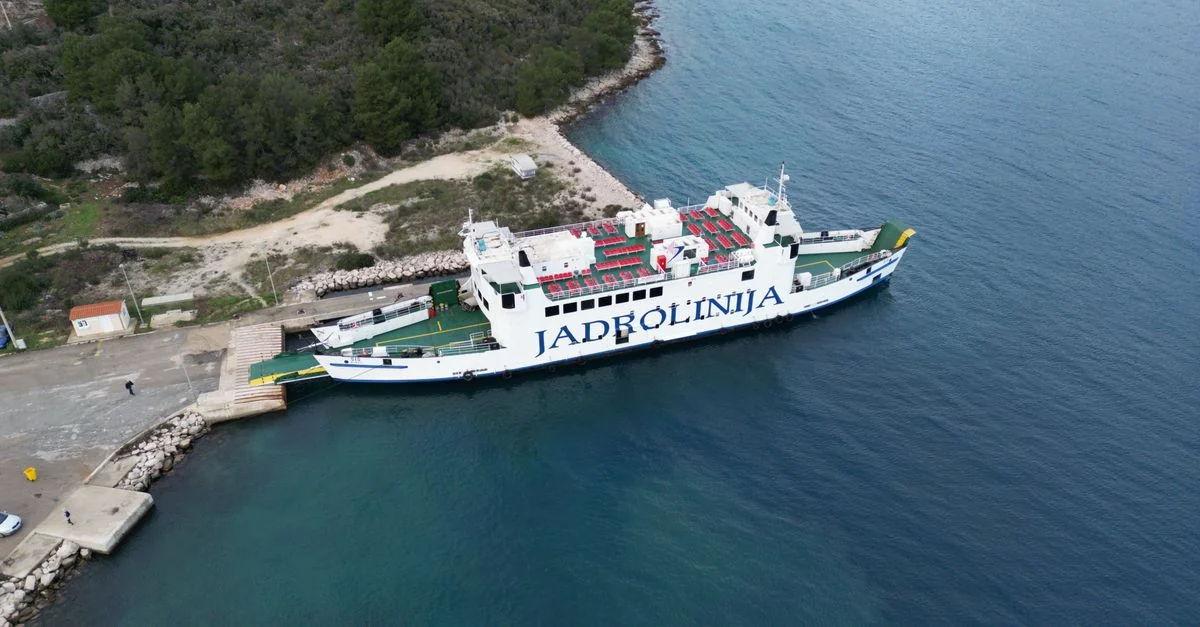
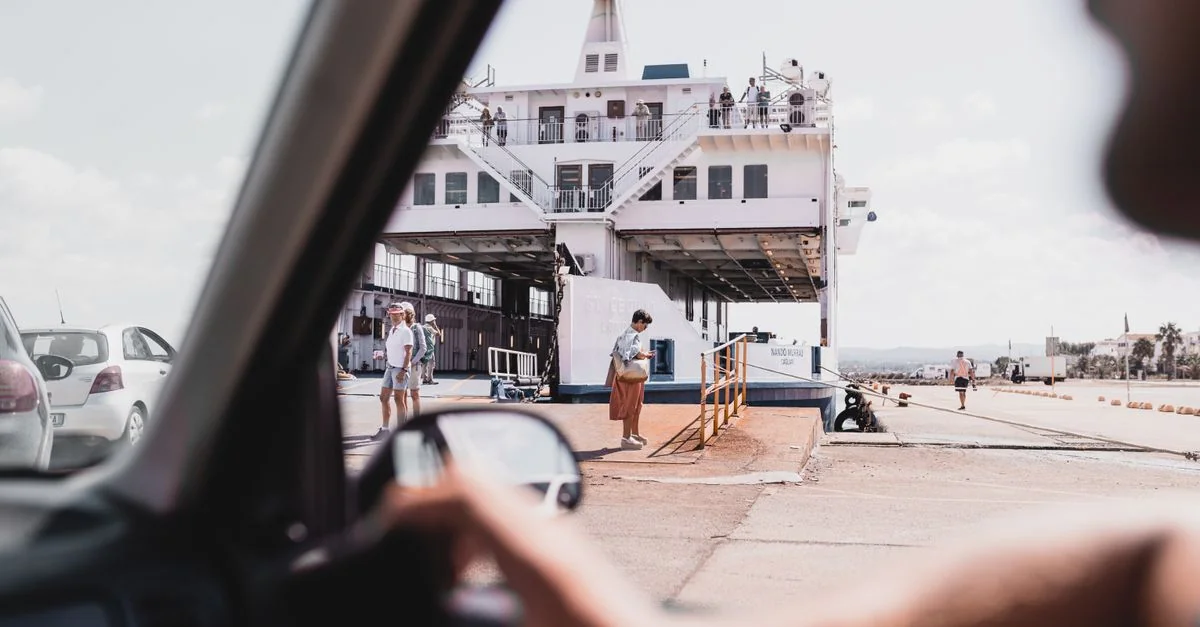
The morning light hits the water just right as the vessel pulls away from the pier at Silba. There is a specific quality to the air here, a mix of salt spray and pine, that settles into your clothes before you even step onto the deck. From the port, you can see the jagged silhouette of the island fading into the distance, the white stone buildings catching the sun one last time before the horizon swallows them. This is the moment the journey truly begins. It is not a race against the clock, but a transition. You are leaving the quiet, isolated rhythm of Silba and heading toward the structured, historic energy of Zadar. For those who have made this crossing before, the routine is comforting. For newcomers, the uncertainty of the open sea can be a slight source of anxiety. But after years of hopping between Croatian islands, I can tell you that this particular route is one of the most reliable and scenic short hops in the region. It is a straightforward connection that bridges the gap between a secluded island retreat and a major coastal city, offering a brief but memorable interlude on the water. Silba is a place that demands slowing down. The pace of life there is dictated by the tides and the weather, not by city schedules. Zadar, by contrast, is a hub. It has the infrastructure, the nightlife, and the historical density that Silba lacks. The ferry is the logical bridge between these two worlds. It is not just a mode of transport; it is a change of atmosphere. As the boat accelerates, the noise of the port fades, replaced by the hum of the engine and the slap of water against the hull. The view shifts from the immediate coastline to the open expanse of the Adriatic. The water here is a deep, shifting blue, occasionally broken by the whitecaps of small waves. It is a visual reset that prepares you for the different energy of the mainland.
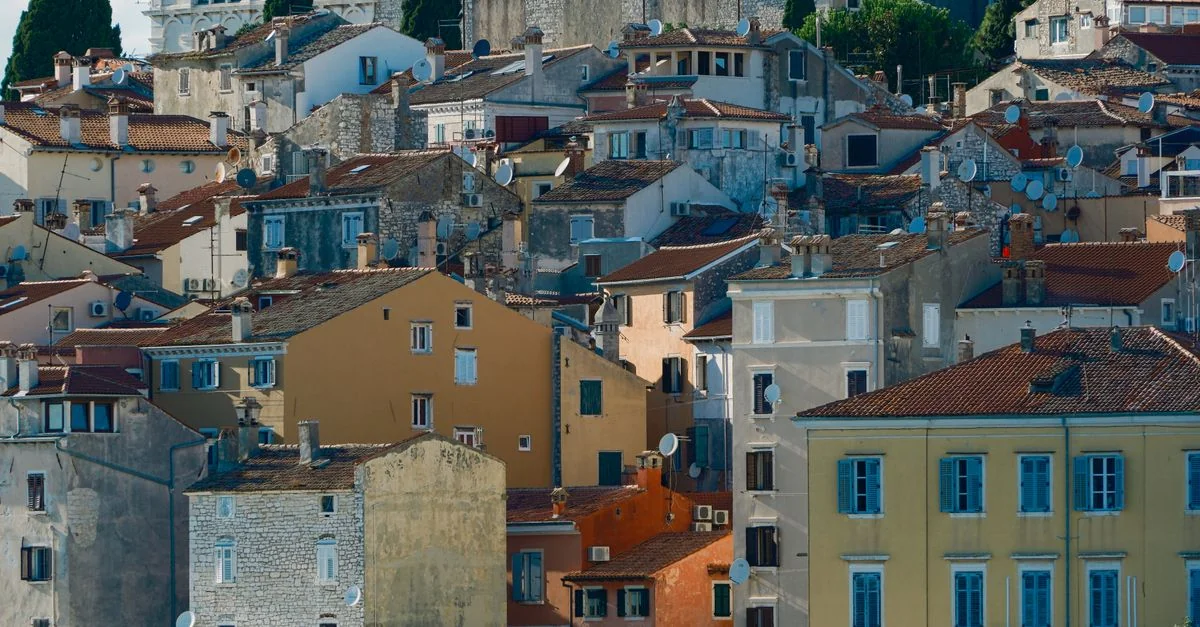
The moment I stepped onto the ferry from Rovinj to Zadar, I was greeted by the sight of the Adriatic Sea stretching out before me. The ferry, a modern vessel with a comfortable interior, was already in motion, and the gentle sway of the waves was a soothing contrast to the busy port of Rovinj behind me. This crossing is not just a means of transport; it’s a journey through the heart of Croatia, offering a unique perspective on the country’s coastline and culture. Taking the Ferry From Rovinj to Zadar # Rovinj, a charming town with a long history and a picturesque old town, is the starting point for this ferry journey. The port is lively, with a mix of tourists and locals going about their daily routines. The ferry departs from the main port, and the journey takes approximately 4 hours and 30 minutes. The ferry is a modern vessel, designed to provide comfort and convenience to its passengers. The interior is well-lit and spacious, with a variety of seating options to suit different preferences.
The moment I stepped onto the ferry from Pula to Zadar, I was greeted by the sight of the Adriatic Sea stretching out before me. The ferry, a modern vessel with a sleek design, was ready to take me on a journey across the blue expanse of the Adriatic. The sea was calm, reflecting the sky in a mirror-like fashion, and the sun was casting a warm glow over the water. It was a sight that made me feel like I was on the edge of the world, yet so close to it. Taking the Ferry From Pula to Zadar # Taking the ferry from Pula to Zadar is a journey that offers a unique perspective of Croatia’s coastline. The ferry route is well-trodden, and the vessel is comfortable and well-maintained. The journey takes approximately four hours and thirty minutes, and the cost is around 25 dollars. The ferry departs from the Pula ferry terminal, which is easily accessible from the city center. The terminal is modern and well-organized, with clear signage and helpful staff.
The morning light hits the harbor of Mali Lošinj with a particular sharpness, illuminating the masts of sailboats bobbing against the quay. As the ferry pulls into position, the scent of salt air mixes with the faint hum of diesel engines. Watching the island retreat as the vessel gains speed, the Adriatic stretches out in a wide, deep blue expanse, offering a perspective of the Kvarner islands that you simply cannot get from a car window. Taking the Ferry From Mali Lošinj to Zadar
Standing on the outer deck of the vessel as we pull away from Mali Lošinj, the scent of pine and salt hangs heavily in the morning air. Pastel-colored captain’s houses line the semicircular harbor, slowly shrinking into the distance as the ship carves its path southward through the Kvarner Gulf. This is my absolute favorite way to travel in Croatia—leaving the road behind and letting the sea do the work while the islands slide by like chapters in a well-worn book. Taking the Ferry From Lošinj to Zadar